
Industrial gas supplier BOC Australia and atmospheric monitoring firm LogiCO2 have formalised a partnership to supply, install and service carbon dioxide leak-detection systems to Australian businesses, pitched at pubs, breweries, wineries and small food and beverage producers running CO2 in enclosed spaces. The deal lands as the updated Workplace Exposure Standards for Airborne Contaminants, which took effect in November 2025 with a 12-month transition period, come to the end of that window.
The partnership was reported by Manufacturers’ Monthly, which said talks started in 2024 and were finalised in 2025 when the LogiCO2 team visited Australia to meet BOC representatives. BOC is part of Linde, the global industrial gases company, and the local tie-up builds on work LogiCO2 has already done with Linde overseas.
LogiCO2’s business manager for Asia-Pacific and Oceania, Kristoffer Eklund Cuestas, said the fit was obvious.
“BOC brings strong local market knowledge and established customer relationships, while LogiCO2 brings a dedicated CO₂ safety monitoring system designed to detect leaks, activate alarms, and help customers create safer workplaces,” he said. “From the start, it was clear that both companies share the same priorities.”
Heavier than air, and you can’t smell it
The reason cellars keep coming up in this conversation is physics. Carbon dioxide is roughly 1.6 times denser than air and, at a concentration of 4 per cent, is classified as an immediate danger to life and health, BOC and LogiCO2 said in the August 2026 Manufacturers’ Monthly report. At 10 per cent it can cause unconsciousness and death.
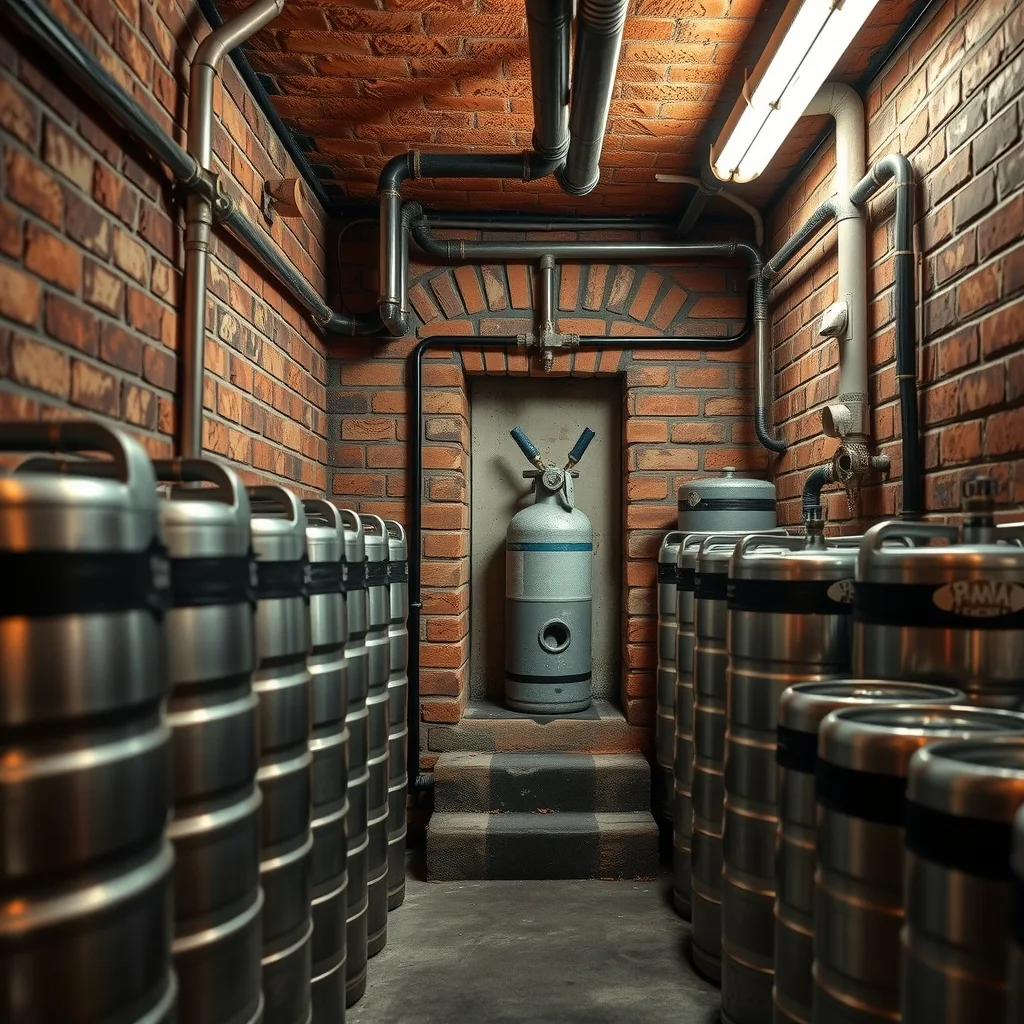
A leak doesn’t drift off. It sinks and pools in the low spots: basements, keg cellars, dispense rooms, pits. There’s no colour and no smell to warn you. Someone ducking down to swap an empty cylinder or chase a dispensing fault can walk into a dangerous concentration and get no warning at all.
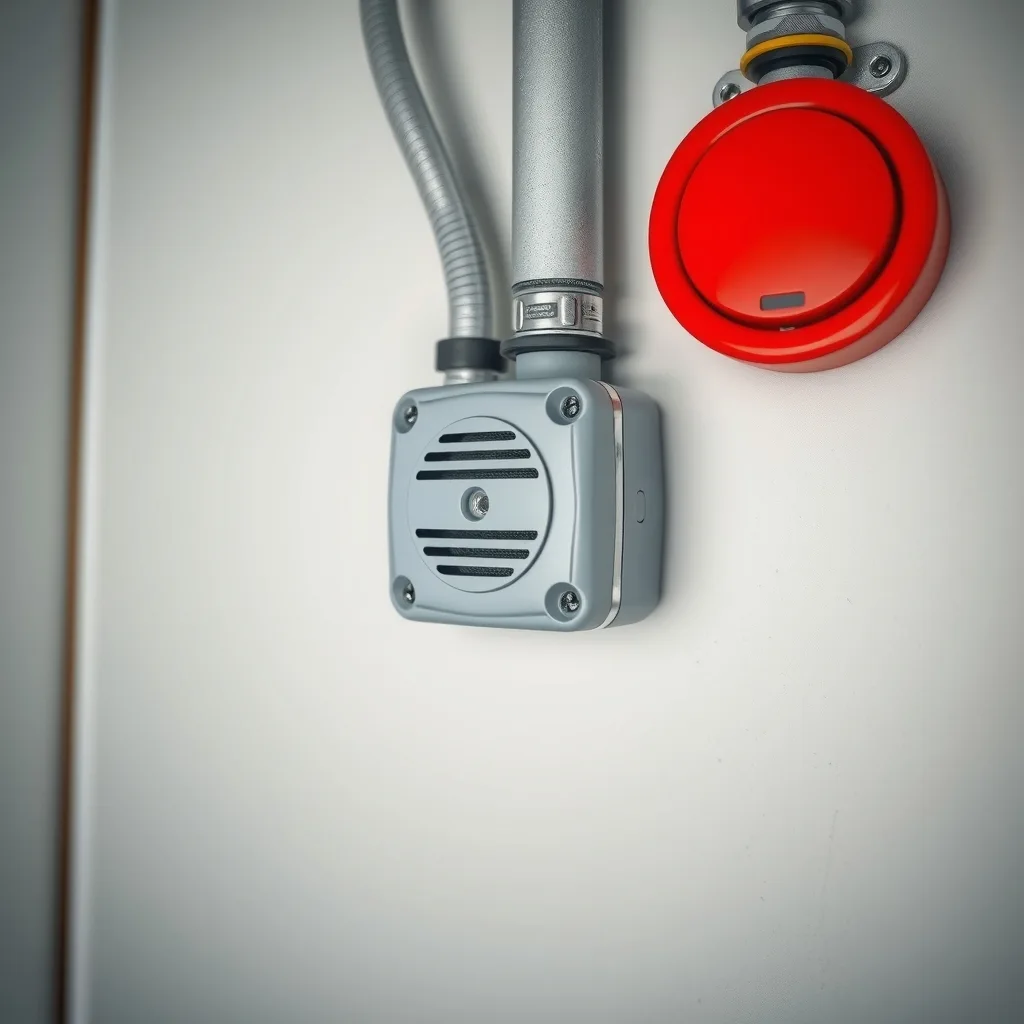
That’s the scenario the hardware is built around. The Mk9/Mk90 base set puts a sensor in the monitored area and a separate central unit outside it, so staff can read the space before they open the door. The Mk90 also runs as a stand-alone, with high-intensity alarms built into the sensor unit itself, or as part of a base set with a central unit. Both measure concentration and trigger across four alarm levels.
BOC says it has seen the gear earn its keep. Michael Murray, BOC Australia’s Queensland customer maintenance manager, said monitoring has given sites early warning of leaks and let them evacuate before levels turned dangerous.
“These systems not only help prevent serious injury or fatalities but also minimise downtime and operational disruption,” Murray said. “However, customers often only fully appreciate their value after seeing them work in real situations.”
”The biggest barriers to wider adoption are awareness”
Uptake isn’t even. According to the article, awareness runs strong in mining, manufacturing and healthcare, and market penetration in Australian hospitality is relatively solid. Craft and industrial brewing is improving. Winemaking is the soft spot, with larger producers generally well set up and smaller operators lagging.
“Smaller businesses may not always recognise CO₂ and oxygen as hazards until an incident or audit occurs,” Murray said.
“Smaller businesses may not always recognise CO₂ and oxygen as hazards until an incident or audit occurs,”
“This highlights the importance of education and proactive safety management beyond minimum regulatory requirements.”
Part of that comes down to how the rules are written. CO2 and oxygen safety in Australia sits mainly in state and territory work health and safety law, supported by Safe Work Australia, covering hazardous atmospheres, confined spaces and exposure limits. The article notes those regulations are often principles-based rather than prescriptive, which means no clause hands a publican a shopping list.
Paul Ross, LogiCO2 product manager at BOC, said the hold-up isn’t the technology.
“The biggest barriers to wider adoption are awareness and understanding of the risks, rather than technology availability,” Ross said. “Cost can be a factor, particularly for small operators, but it is often secondary to a lack of information.”
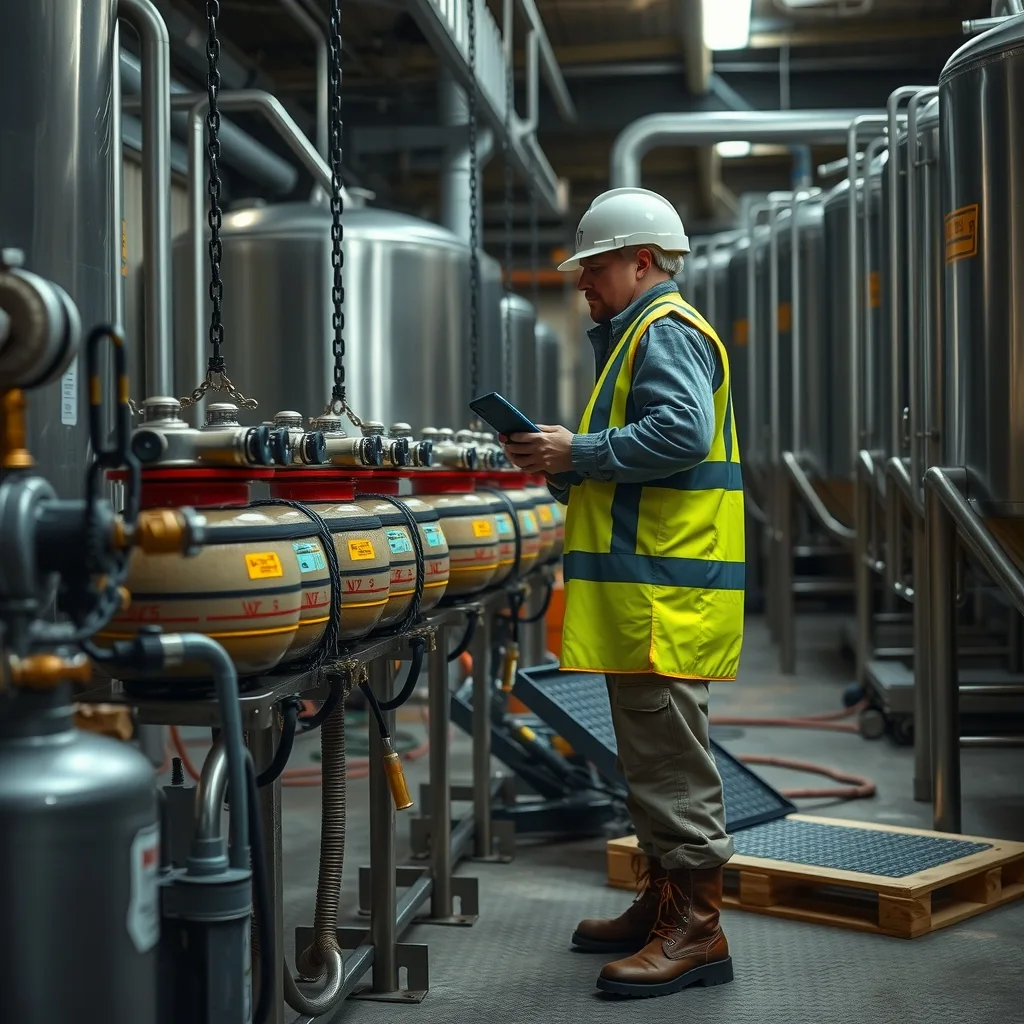
BOC is selling three ways to deal with the cost question: a rental arrangement where BOC covers installation and ongoing servicing for a monthly fee with no or very low upfront capital cost, an outright purchase installed by BOC with optional servicing, or a straight retail purchase where the customer sorts out their own installation.
What it means if you’re quoting the fitout
That third option is the one worth reading twice, because “customer arranges their own installation” is where the local trades walk in the door.
A cellar monitoring install is a small job with a few moving parts. A sensor goes in the monitored space at the level the gas actually collects. The central unit and its readout go outside the room, which means a cable run through a wall and a mounting position that someone will actually look at before they open the door. Sounders and strobes need to be audible over a compressor and a cool room. And any fixed wiring for the unit is licensed electrical work in every state and territory in Australia, with no DIY carve-out anywhere.
If you’re pricing a pub refurb, a brewery expansion or a cellar door build, the question to put to the client is whether gas monitoring is in the scope or whether it’s been assumed away. On the timeline described in the article, the transition period on the updated exposure standards runs out around the end of 2026, and the operators who haven’t looked at it yet are the small ones with the fewest people to check the cellar.
Worth being clear on where this story comes from. The evidence for how well the systems perform is BOC’s own account of its customer sites, reported in a trade title, not an independent audit. BCN doesn’t test products. What isn’t in dispute is the physics of a heavier-than-air gas in a basement, and the fact that state WHS regulators, not a supplier, are the ones who’ll ask the questions after an incident.
The thing to watch is whether the regulators move from principles to something more prescriptive for hospitality and small-scale food and beverage. Until they do, monitoring in a keg cellar stays a line item a client can cross off a quote, which is exactly how it ends up missing.
Frequently asked questions
Is CO2 gas monitoring legally required in Australian pubs and breweries?
There’s no single national rule mandating it. CO2 and oxygen safety sits mainly in state and territory work health and safety law, which is principles-based rather than prescriptive, so there’s no clause specifically requiring monitoring equipment.
How dangerous is a CO2 leak in a cellar?
CO2 is about 1.6 times denser than air, so it sinks and pools in low spots like cellars and dispense rooms. It’s colourless and odourless. At 4 per cent concentration it’s classified as an immediate danger to life and health, and at 10 per cent it can cause unconsciousness and death.
Can I install a CO2 monitoring system myself?
You can buy one as a straight retail purchase and arrange your own installation, but any fixed wiring for the unit is licensed electrical work in every Australian state and territory, with no DIY carve-out.
Sourced from Manufacturers’ Monthly, Safe Work Australia. Original article.