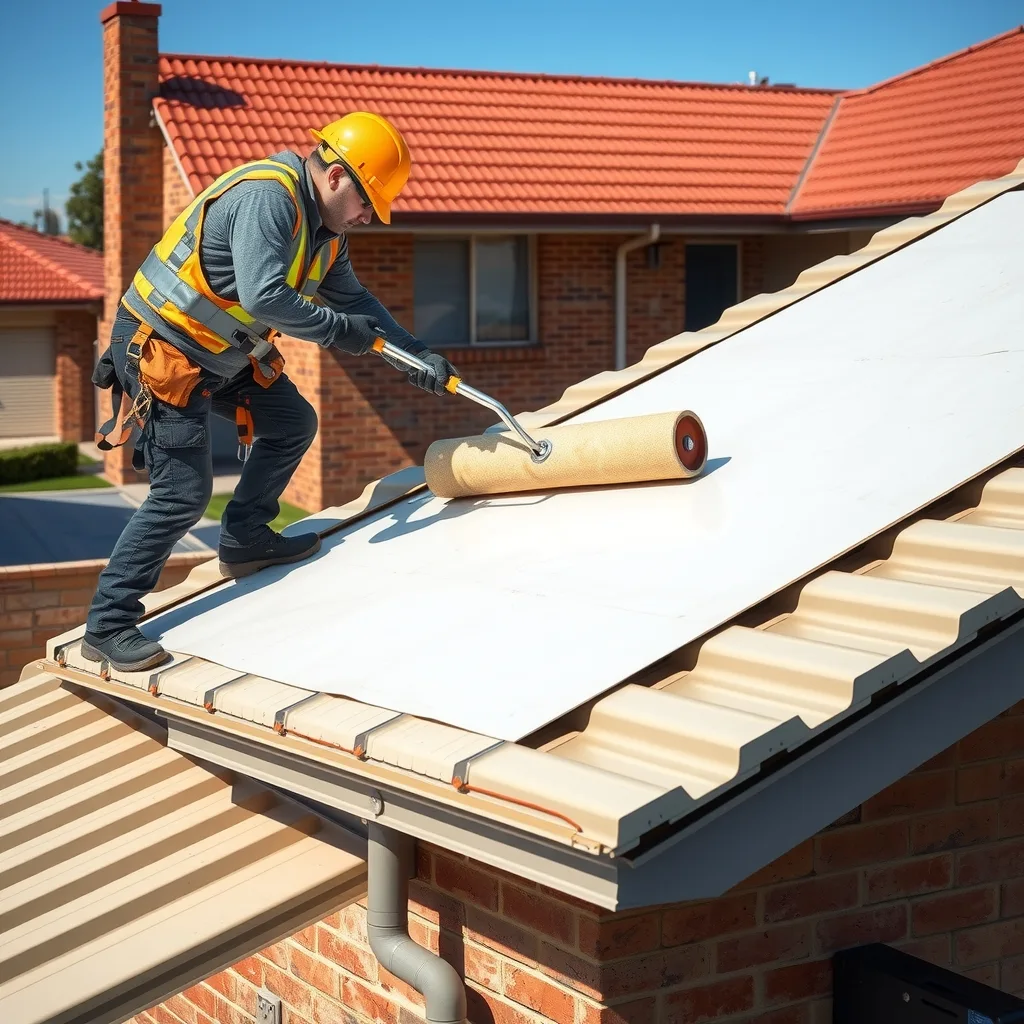

A coat of heat-reflective paint on a dark roof is the cheapest retrofit for cooling an Australian house, and the researchers who study it say it belongs on the roof before solar panels or new insulation go anywhere near it. In a basic trial on a 22C day in Adelaide, untreated concrete roof tiles hit a surface temperature of 60C by 1pm while tiles carrying a single coat of the ceramic coating Super Therm sat at 26C, according to the product’s Australian distributor Shane Strudwick.
The trial and the expert advice around it were reported by Guardian Australia on Saturday, as an historic El Niño in the Pacific lines Australia up for a hot summer. Most house roofs here are metal or tiled, and the majority are medium to dark in colour according to CSIRO’s Australian Housing Data, even though lighter shades reflect more heat.
Coat it first, then put the panels on
Western Sydney University’s Prof Sebastian Pfautsch, a cool-roof researcher, told the Guardian that owners who bought a house with a dark roof without thinking about it end up in trouble once summer arrives, and that cement tiles are the worst of it.
“Cement has a much greater thermal mass, so it takes much longer to cool down,” Pfautsch said.
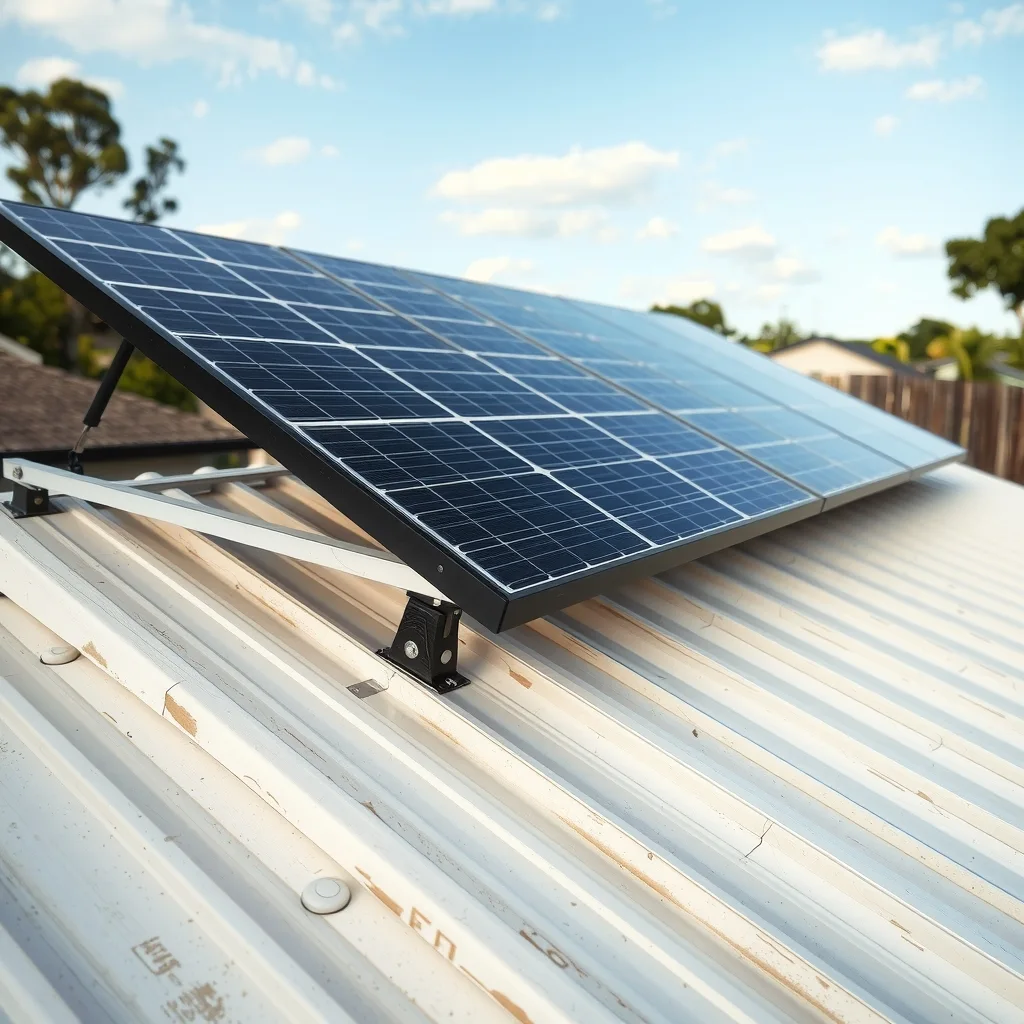
His order of operations matters for anyone quoting retrofit work. Solar panels do shed some radiant energy by turning it into electricity, but photovoltaics lose efficiency as they heat up, so bolting an array onto a dark, heat-soaked roof works against itself.
“The first and most cost-effective thing to do is coat it,” Pfautsch said. “After that, put solar on. Once you have a light-coloured roof your solar panels work more effectively.”
That sequencing is worth raising at the quoting stage, because the window closes. Once the rails and panels are up, a roof painter is working around an array rather than running clear sheets, and the section under the panels is the part you can’t reach. The coating is paint work, not licensed electrical work, but the job that follows it is: solar PV has to be done by an accredited installer for the owner to claim federal small-scale certificates. Roof access is the other half of it, and height work on a domestic roof sits under your state SafeWork or WorkSafe rules, not a rule of thumb. Check with Safe Work Australia or your state regulator before anyone steps onto a pitched roof with a roller.
”It definitely lowered the heat penetrating the house upstairs”
The Guardian’s case study is Nic Jacobsen, an engineer who has worked in renewable energy for two decades. The upstairs bedrooms and office in his two-storey inner-suburban Adelaide home used to become unbearable even with a large air conditioner running flat out.
He went at the insulation first. “The insulation was not great, so I did some work upgrading that,” Jacobsen said. Heat still radiated through the flat metal roof and the blue board and plaster stud walls.
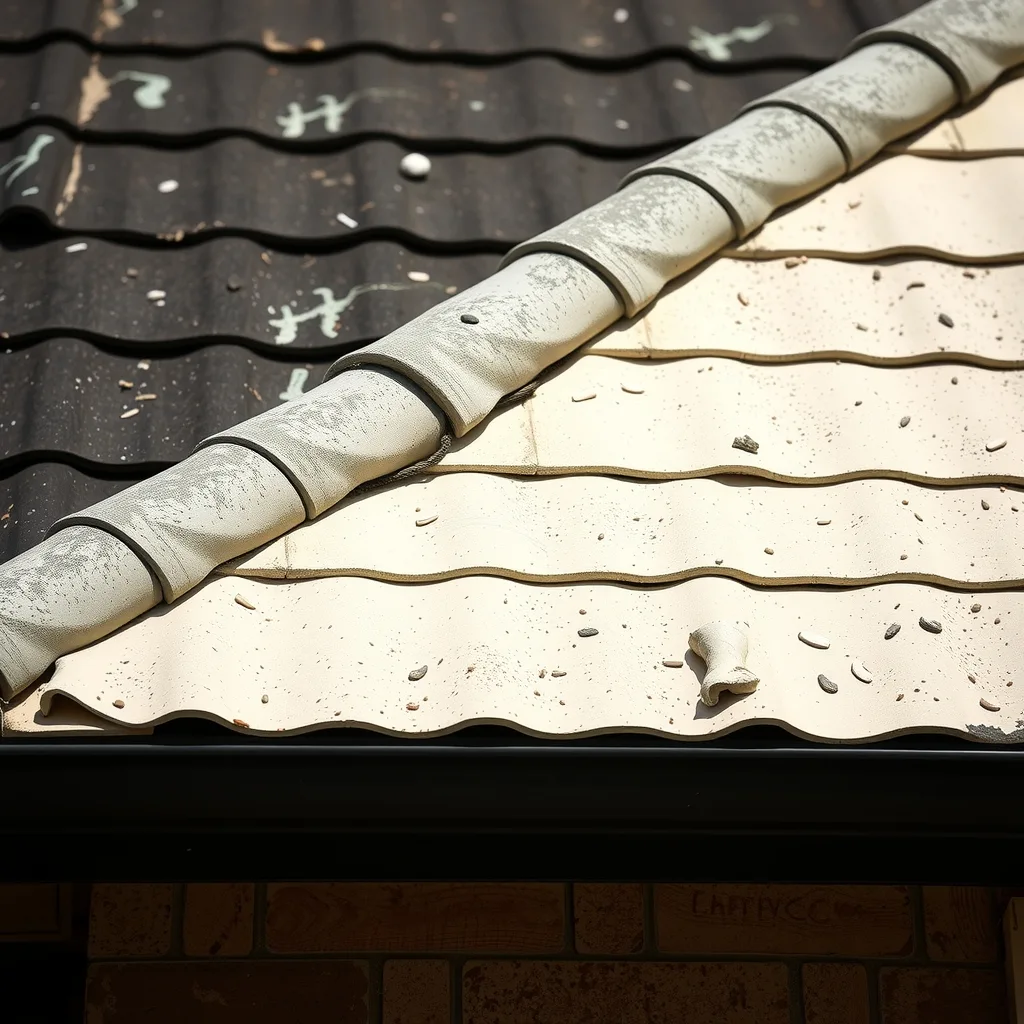
“The western wall in particular copped a lot of sun; because it was the second storey there was no shading from trees or adjacent buildings,” he said.
After coating the roof and that wall, the difference was immediate. “It definitely lowered the heat penetrating the house upstairs,” Jacobsen said. He can’t put a dollar figure on the saving, but reckons his air conditioning bill dropped. “I’m very happy with the decision I made,” he said. “I think it’s a good product and look for opportunities to recommend it.”
Strudwick says a coated roof generally pays for itself in lower energy bills within three to five years, while cautioning that payback depends on the original surface and how much energy the household was using to start with. A cost benefit analysis by University of New South Wales researchers found the cost of coating an otherwise functional roof is recovered through energy savings and by extending the life of the roof itself, which keeps material out of landfill.
The claims a customer will ask you about
Prof Chiara Neto, a physical chemist at the University of Sydney, rates the paint option against the more elaborate retrofits.
“There are many ways to retrofit a house to keep it cool and save energy but applying a coat of paint on the roof is one of the most efficient and low cost”, Neto said. “It could save up to 40% of your energy bill, especially if you have an older building with poor insulation and a dark roof.”
Neto developed a film that reflects 96% of the sun’s heat and also harvests water, and in 2022 she and a former PhD student founded a startup called Dewpoint to commercialise it. The product is in trials in the Middle East, Asia and Australia, and the company hopes to sell it here at a price competitive with premium paints.
“People want to see it in action in a real building and measure energy efficiency over time,” Neto said.
That demand for measured results cuts both ways on a quote. Pfautsch named Super Therm as a product already on the market worth considering, adding: “I have no shares and I’m not a sales agent for them.” He also warned the Guardian that some products don’t deliver what they promise, noting Dulux paid a $400,000 penalty in 2016 over unfounded claims about the temperature-reducing properties of two paints. BCN doesn’t test products, and neither do most customers, so the sensible answer to “does it work?” is the manufacturer’s own measured data, in writing.
One more thing worth knowing for the glare argument a neighbour might run: a heat-reflecting roof is generally light-coloured but doesn’t have to be white, Pfautsch said, so an excessively bright finish that bounces glare into the house next door is avoidable. Neto says the street effect runs the other way anyway.
“If all roofs were treated, that could reduce the air temperature in a suburb by two or three degrees,” she said. “By preventing surfaces from getting hot, removing heat and passively cooling the surface, neighbouring buildings will benefit.”
What to watch
Dewpoint’s coating is still in trial and hasn’t hit Australian retail, so for this summer the work sits with the products already on shelves and the roofs already baking. For roof restorers and painters, the pitch that gets traction between now and Christmas is the sequencing one: coat it, then book the sparkie for the array. Pfautsch frames it as more than a cost calculation.
“It’s an ethical question of how you want to live in your community and make your contribution,” he said.
Frequently asked questions
Should I coat my roof before installing solar panels?
Yes, according to Prof Sebastian Pfautsch. Coat the roof first because photovoltaic panels lose efficiency as they heat up, and once an array is bolted on, a painter can’t reach the roof underneath it.
How much can a reflective roof coating save on energy bills?
Prof Chiara Neto says it could save up to 40% of a household’s energy bill, especially in an older, poorly insulated home with a dark roof. Distributor Shane Strudwick says a coated roof typically pays for itself in energy savings within three to five years.
Do I need a licence to coat a roof?
The coating itself is paint work, not licensed electrical work. But roof access falls under your state’s SafeWork or WorkSafe height-safety rules, and any solar installation that follows must be done by an accredited installer to qualify for federal small-scale certificates.
Sourced from Guardian Australia, CSIRO. Original article.