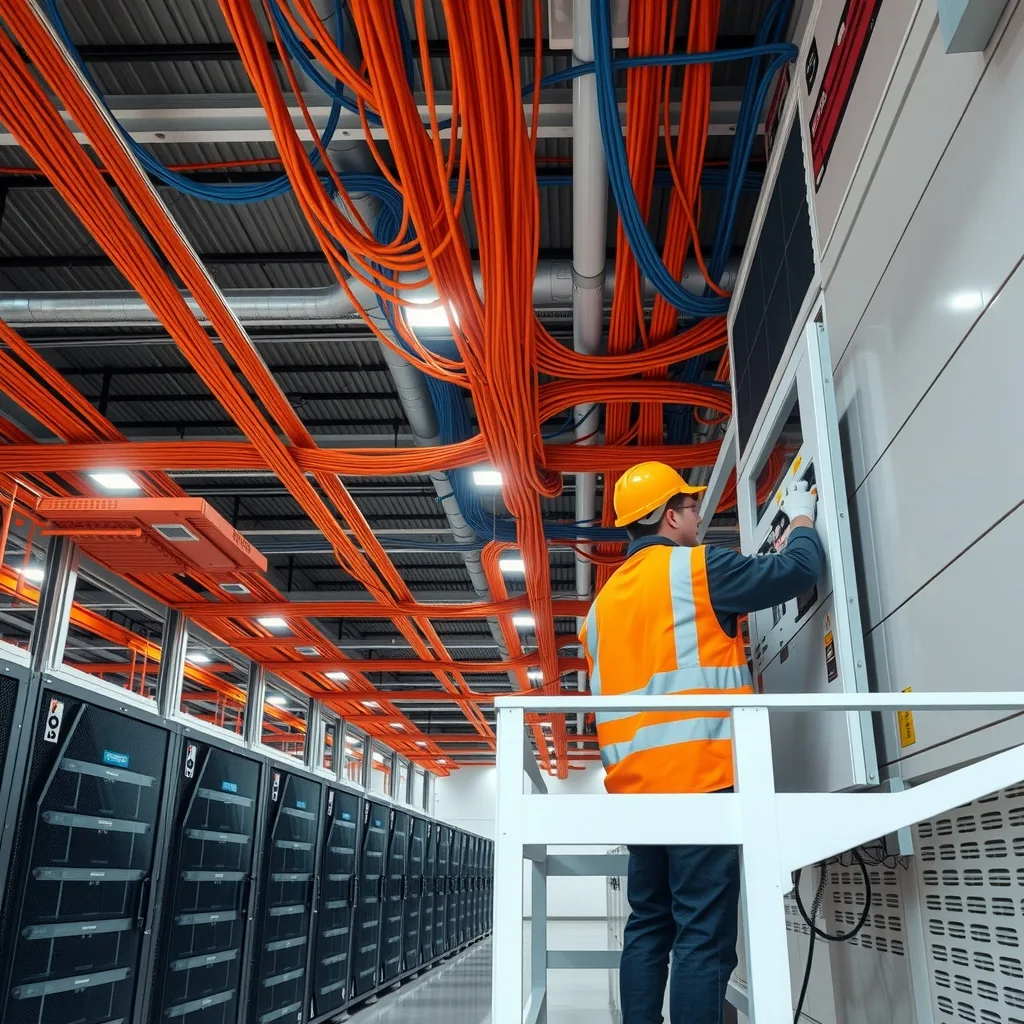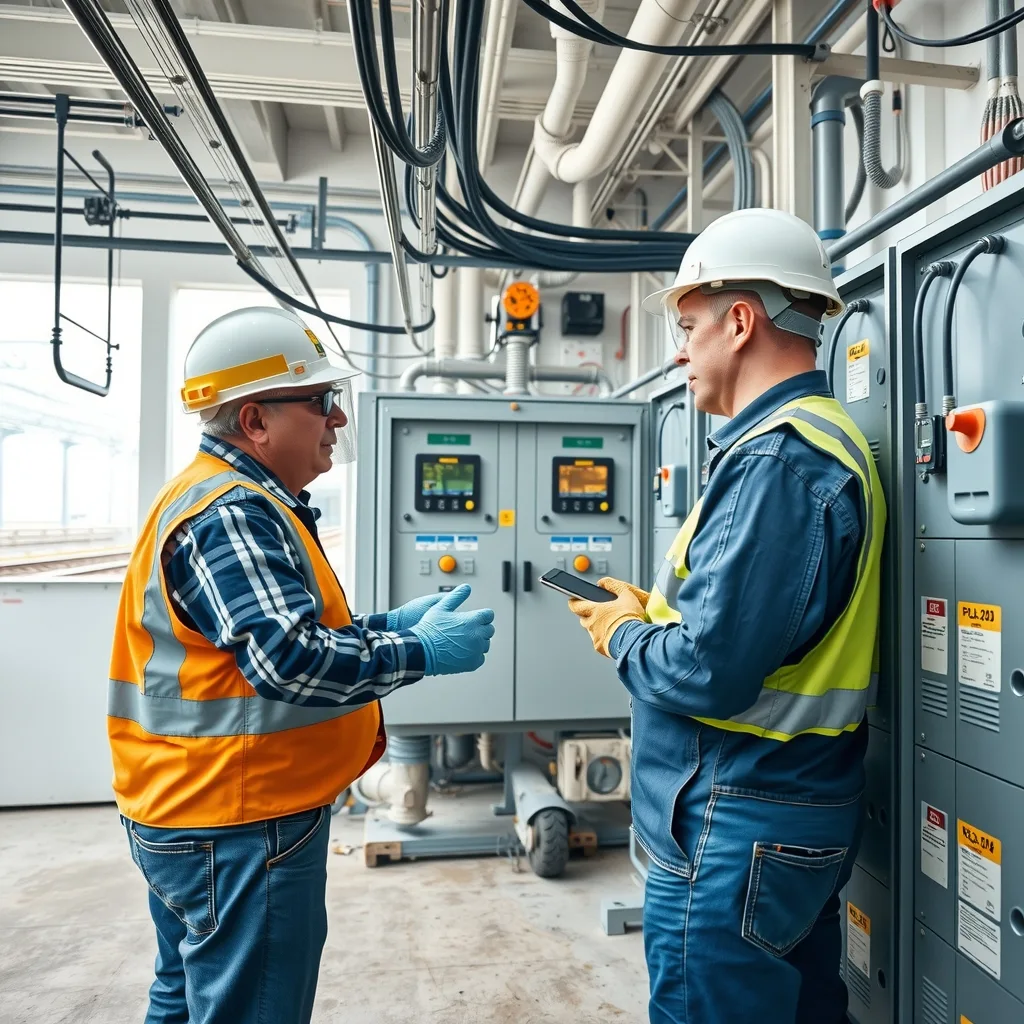

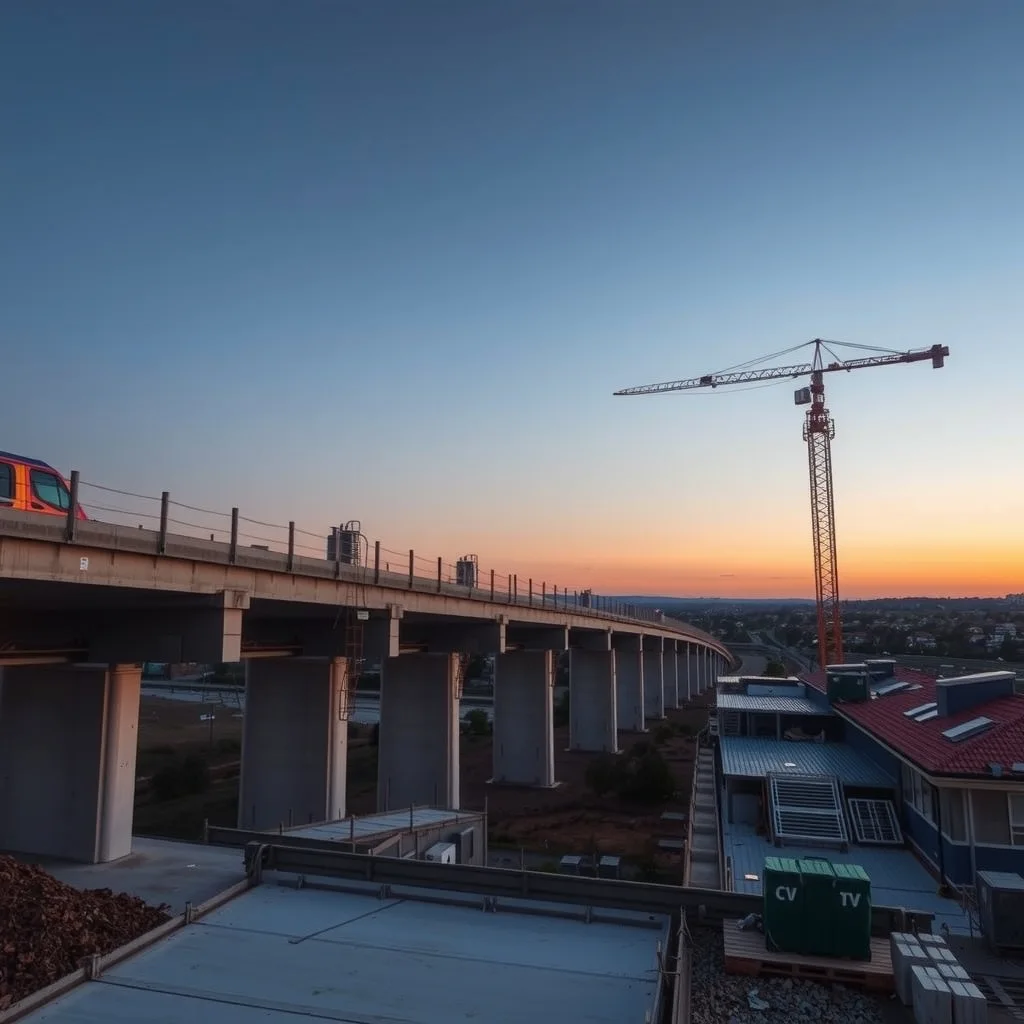
EnerMech has won a contract with Parklife Metro to provide electrical services on the Sydney Metro Western Sydney Airport project, covering authorised isolator and high-voltage switching support plus permit-to-work and permit control officer services during construction and commissioning. The company says the job will be run out of its Infrastructure & Industrial Solutions arm by a locally based team in Sydney.
The contract was reported by Infrastructure Magazine. Neither the contract value nor the size of the crew was disclosed in the announcement.
The scope is the pointy end of the job
Strip the corporate language out and this is the work that decides whether a rail line can be turned on safely.
Energisation is the moment a system stops being a construction site and starts being live infrastructure. Getting there means isolating the right apparatus, proving it dead, switching high-voltage gear in a controlled sequence, and keeping a paper trail that says exactly who authorised what and when. It’s the part of a metro build with the least tolerance for a bloke guessing.
EnerMech SVP Infrastructure & Industrial Solutions Vasant Saith put it plainly.
“Energisation and high-voltage switching during commissioning leaves no margin for error, and our local team’s experience on similar scopes puts us in a strong position to support Parklife Metro through this next stage on what is a significant development for the region’s economy,” Saith said.
Permit control is a trade role, not paperwork
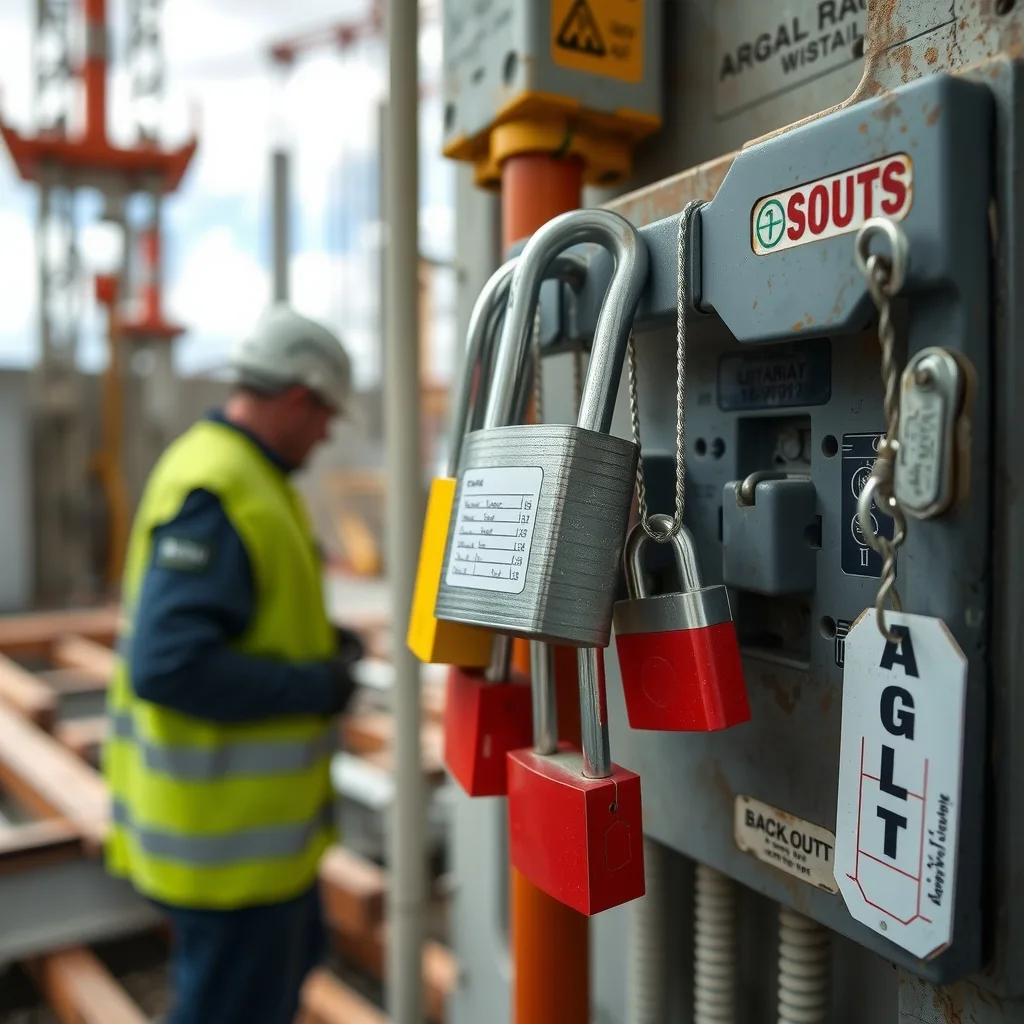
The permit-to-work and permit control officer services in the scope are the bit most people outside the game skip over. On a project where multiple contractors are working around the same switchboards, cable runs and traction gear, the permit desk is the single point that says who gets access to what, and when it’s locked out.
Get it wrong and two crews end up on opposite ends of the same isolation. That’s why these roles are usually filled by electrical people with the authorisations to match, rather than administrators, and why they tend to be some of the steadier positions on a systems package. Fixed electrical work requires a licensed electrician everywhere in Australia, and on a rail project the asset owner adds its own authorisation layer on top of that licence.
For a sparkie thinking about where the next few years of work sit, this is the shift worth watching. The civil phase of a metro line is tunnelling, viaduct and station structure. The phase after it is cable, containment, switchrooms, testing and commissioning, and it runs long after the concrete crews have gone.
Another NSW rail scope for the same team
EnerMech’s Australian arm already holds Transport for NSW work through Metro Trains Sydney and Parramatta Light Rail, providing construction, commissioning, maintenance and operational support, according to the company’s contract announcement carried by Infrastructure Magazine in August 2026. That’s two existing rail networks in the state before this contract.
CEO Charles ‘Chuck’ Davison Jr said the win built on that record.
“By continuing to win and successfully undertake contracts in rail infrastructure scopes, EnerMech’s Infrastructure & Industrial Solutions team reinforces its position as a specialist provider of choice across the industry,” Davison said.
He also thanked the client.
“We would like to thank our colleagues at Parklife Metro for entrusting us with this latest contract, which will be delivered by our local team, which prioritises safety and efficiency to ensure that risk is reduced on often complex projects.”
Whether that local team is hired fresh or moved across from the company’s other NSW rail scopes isn’t stated in the announcement.
What it means on the tools
The useful signal here isn’t the contract. It’s the phase. Packages like isolation support, HV switching and permit control only get let when a project is close enough to commissioning that someone has to own the switching sequence.
For electrical contractors in western Sydney, that’s the cue to look at who’s staffing systems and testing work over the next stretch, and whether your people carry the authorisations that let them stand at the isolator rather than wait behind the barrier. Those tickets are issued through the asset owner and the employer’s own competency systems, not something you pick up on the way to site. Anyone weighing up the safety obligations that sit around live work should start with SafeWork NSW and their own licensing requirements rather than a site rumour.
The other thing to keep an eye on is Transport for NSW and the project’s own updates for the remaining systems packages. Commissioning-stage scopes tend to arrive in a cluster, and the crews that land them are usually the ones already holding a rail scope somewhere else in the city.
Frequently asked questions
What work will EnerMech do on the Western Sydney Airport metro project?
EnerMech will provide authorised isolator and high-voltage switching support, plus permit-to-work and permit control officer services, during construction and commissioning for client Parklife Metro.
How much is the EnerMech contract worth?
The contract value wasn’t disclosed in the announcement, and the size of the crew delivering the work also wasn’t stated.
What does a permit control officer do on a rail project?
They control who gets access to switchboards, cable runs and traction gear, and when equipment is locked out, so multiple contractors aren’t working on the same isolation at once. These roles are usually filled by electrical people with the authorisations to match, not administrators.
Does EnerMech have other rail contracts in NSW?
Yes. Its Australian arm already holds Transport for NSW work through Metro Trains Sydney and Parramatta Light Rail, covering construction, commissioning, maintenance and operational support.
Sourced from Infrastructure Magazine. Original article.