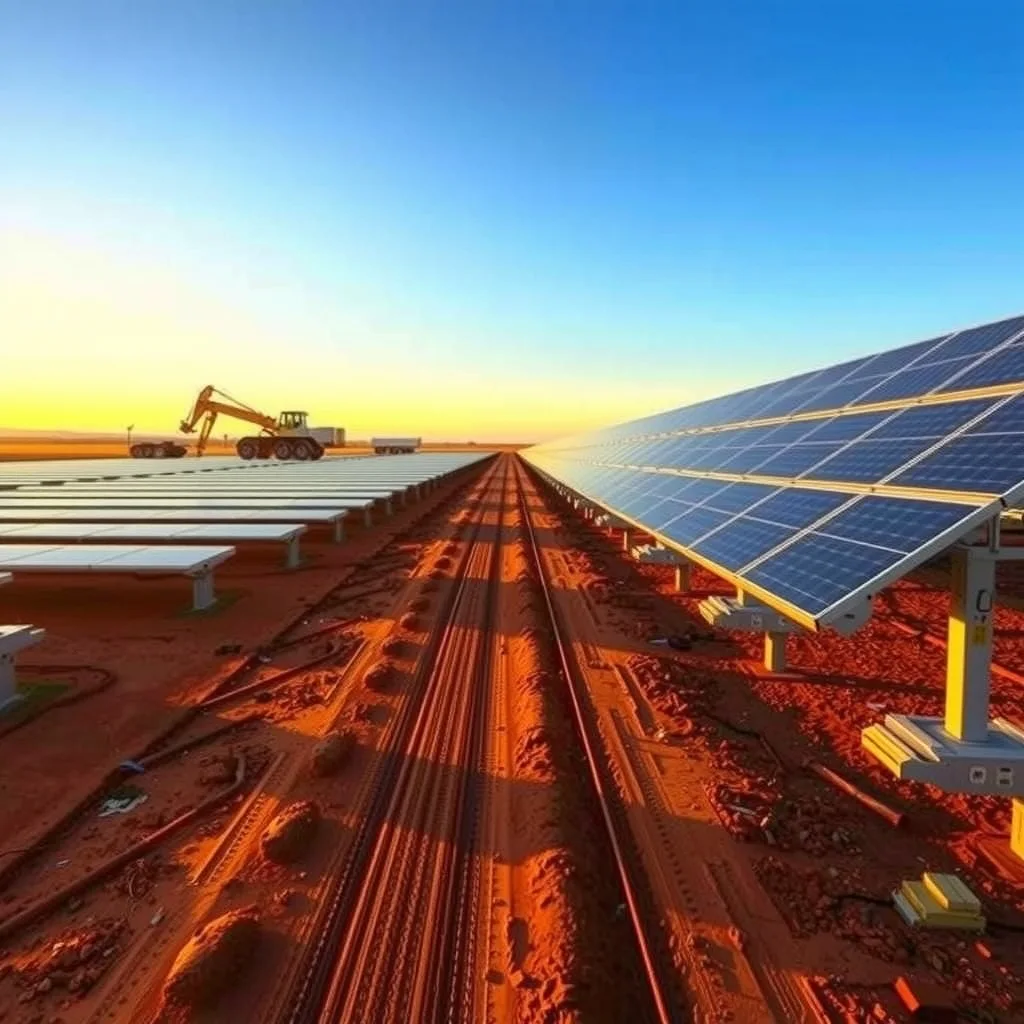

Edify Energy has reached financial close on two hybrid solar and battery projects near Woodstock, south of Townsville. Combined, they’ll deliver 360MWp of solar generation and 300MW/1200MWh of battery storage, employ around 400 local workers during construction, and start running in 2028.
The Ganymirra and Majors Creek projects were reported by Utility Magazine, which said they’re the third and fourth Edify sites to reach financial close with support from the federal Capacity Investment Scheme. Financial close is the moment a project stops being a development file and becomes a job site with money behind it.
$3.2 billion and 14 lenders behind four Queensland sites
The two projects sit inside a portfolio financing package involving 14 domestic and international lenders, with roughly $3.2 billion in project financing committed across four Edify projects. The other two, Smoky Creek and Guthrie’s Gap, closed in May 2026. Between them the four sites add up to 1080MWp of solar generation and 3600MWh of battery storage.
Edify said the financing structure is meant to provide a scalable framework for continued investment in renewable projects, which in plain terms means the next tranche of sites should be easier to fund than the last.
Edify Energy CEO Ben Warne said the run of milestones showed the company could keep moving projects through the pipeline.
“Successive milestones across Smoky Creek, Guthrie’s Gap, Ganymirra and Majors Creek projects demonstrate the strength of our business, our people and our ability to consistently progress projects from concept to construction and play our part in accelerating the energy transition and ensuring low cost and reliable energy security,” he said.
Who’s on the tools, and in what order
DT Infrastructure has the EPC contract. CATL is supplying the battery systems, and Powerlink is responsible for the network and connection works. Around 400 local workers are expected on the build, with about 10 ongoing operational positions once the projects are commissioned.
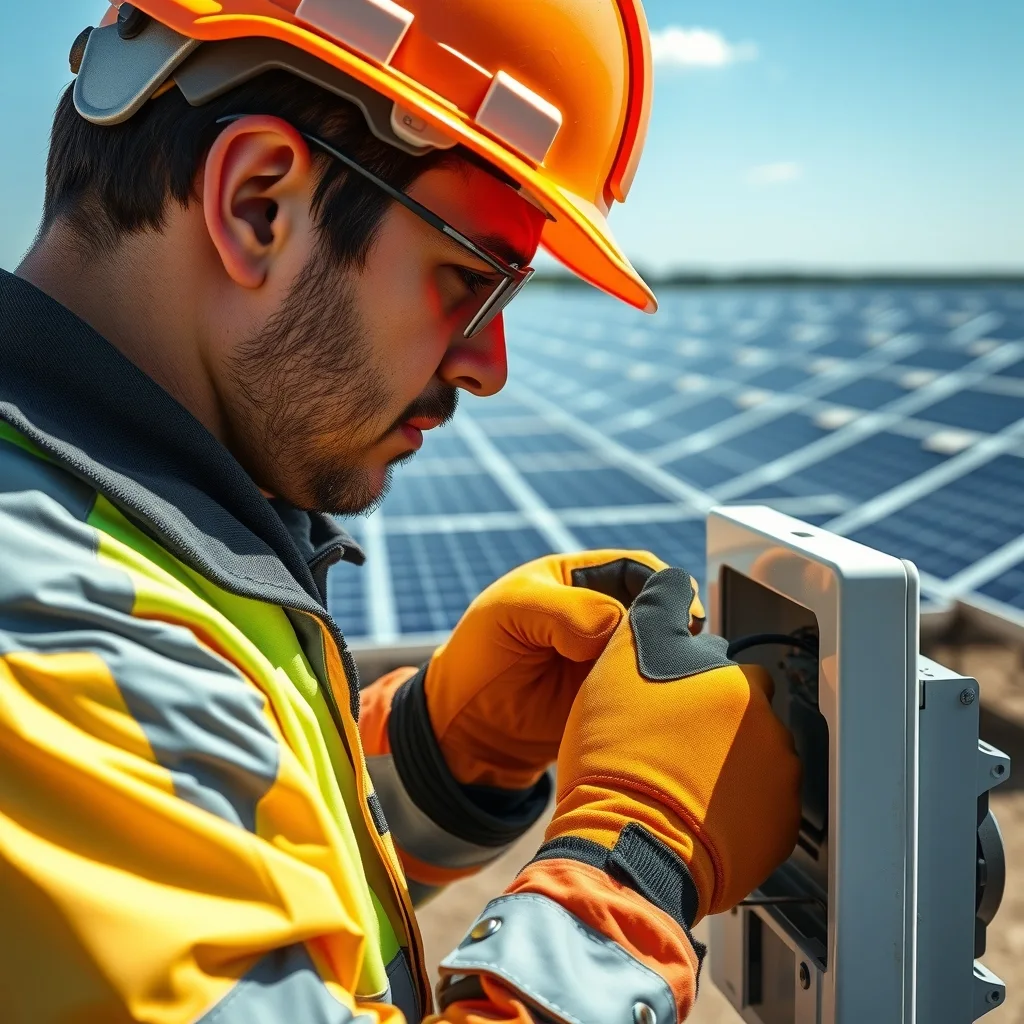
A hybrid site like this runs as a sequence, not a single trade. Civil crews go first: access tracks, hardstands, drainage and pads. Then the piling rigs walk the rows, driving the posts that carry the tracker frames, and the mechanical crews follow behind bolting up torque tubes and hanging modules. Behind them come the electrical crews pulling and terminating DC strings, then the inverter and transformer stations, then the battery yard with its plinths, container placement and HV cabling. Commissioning and connection testing sit at the tail, and that’s where the schedule usually bites.
That’s licensed work at the electrical end. Fixed wiring and connection work on a project of this scale is licensed-electrician territory in every state and territory, which is why utility-scale solar tends to pull sparkies out of the housing market and onto the highway.
For a North Queensland subbie, the number that matters is 400 heads over a build that has to be finished and generating by 2028. That’s a two-year-ish window to staff, and it’s the sort of run that justifies putting on an apprentice or a second crew, rather than chasing one-off residential work between wet seasons. The 10 permanent operations roles at the other end are the reminder that the money is in the build, not the running.
Edify estimates more than $450 million will flow into regional communities through local supply chains, employment, First Nations businesses and associated economic activity. The projects carry commitments to local procurement, training, and long-term community and First Nations funding. They’ll be delivered on Thul Garrie Waja country, the traditional lands of the Bindal People.
One set of inverters doing two jobs
The technical wrinkle is worth understanding before you price a package. The projects combine solar generation with battery storage using reverse DC-coupled technology and a single set of grid-forming inverters, rather than separate inverter sets for the array and the battery.
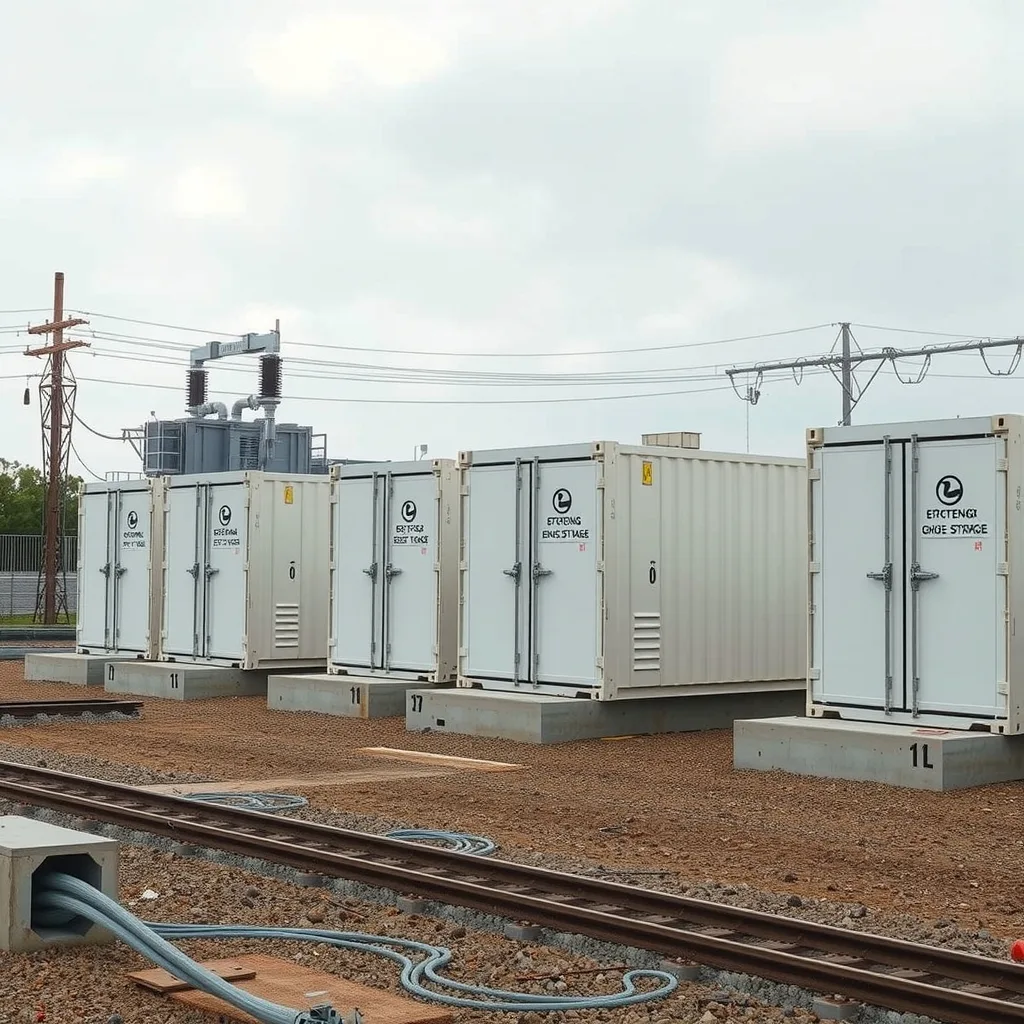
That configuration lets electricity from the solar arrays be stored and dispatched when demand is highest, while providing network support through the grid-forming technology. Grid-following inverters need a stable grid signal already there to lock onto. Grid-forming units are built to help hold that signal up, which is why network operators keep asking for them as more coal capacity comes off the system.
On the numbers given, 300MW of output against 1200MWh of storage is four hours at full tilt. Once operational, the two projects are expected to generate enough electricity to supply more than 100,000 homes.
What to watch
With finance locked, the next visible moves are mobilisation on site and the subcontract packages DT Infrastructure lets underneath the head contract. Powerlink’s connection works run on their own timeline and have a habit of setting the pace for everything downstream.
If you’re based between Townsville and Charters Towers, the practical question isn’t whether the money is real. It’s whether the local procurement commitments turn into packages a regional business can actually bid on, or whether the crews arrive off a plane from down south. Watch the tender notices, not the press releases.
Frequently asked questions
How many workers will the Townsville solar and battery projects need?
Around 400 local workers are expected during construction. Once the projects are commissioned, about 10 ongoing operational positions remain.
When will the Ganymirra and Majors Creek projects start generating?
Both projects are due to start running in 2028. Together they’re expected to supply more than 100,000 homes.
Who is building the projects?
DT Infrastructure holds the EPC contract, CATL is supplying the battery systems, and Powerlink is responsible for the network and connection works.
How big is the battery storage?
The two sites carry a combined 300MW/1200MWh of battery storage, which on those numbers is four hours at full output, alongside 360MWp of solar generation.
Sourced from Utility Magazine. Original article.