
A federal energy plan that hands households three free hours of electricity in the middle of the day is charging nearly double the peak rate and almost twice the daily supply charge of a rival plan from the same retailer, according to comparisons published by a Sydney community energy group. Solar Sharer was switched on in July, with customers in Queensland, New South Wales and South Australia able to opt in.
Guardian Australia reported that observers say the supply and peak use charges attached to the regulated offer make it an expensive deal for many of the households it was built for, particularly renters and apartment dwellers without a roof to put panels on.
When he announced the scheme last year, energy minister Chris Bowen said the regulated deal would open up cheap and plentiful renewable power to more households, including those with no solar panels or battery. It was overseen by the Australian Energy Regulator, he said, to “ensure there’s no price gouging going on, it’s in the best interests of the consumers”.
Nearly double the peak rate, comparison finds
Gavin Gilchrist, a project manager at Inner West Community Energy, spent weeks running Solar Sharer against multiple offers from AGL, Energy Australia, Origin and Red Energy on the government’s Energy Made Easy website, and published the results in RenewEconomy.
His figures give the trade a hard number to work with. Households with one retailer on Sydney’s Ausgrid network would pay $1.76 a day in supply charges on Solar Sharer against $0.95 on another plan from the same company, while the peak rate outside the free window ran $0.64 a kilowatt hour against $0.33, according to the comparisons Gilchrist published in RenewEconomy in August 2026.
“I’m not saying no one can benefit, but you’d have to work very hard to get a benefit from Solar Sharer given the price of electricity outside the three free hours is so much higher, and the daily supply charge is so much higher,” Gilchrist said.
He was blunter about where the idea has ended up.
“What was a really good idea to encourage people to use electricity in the middle of the day when we have a glut of electricity on the market, has turned into a fiasco that means virtually no one will benefit.”
Energy Consumers Australia said the design forced consumers into a “complex trade off between free energy in the day and higher prices in all other periods”, and that some could end up worse off if they switch.
Bowen’s office points at retailers
Solar Sharer’s parameters are set by the Australian Energy Regulator, but a spokesperson for Bowen put the charges back on the companies selling it, saying it was “up to retailers to explain why they don’t want to pass on the benefits of free electricity to the consumers who can take it up”.
“The government and energy regulator continues to encourage households to check if they’re on the best energy offer, and see if solar sharer is right for them,” the spokesperson said.
Tristan Edis, a director with the consultancy Green Energy Markets, said default or regulated offers like Solar Sharer were “bad offers, almost always”. People who want a free power period and can genuinely shift their usage should be looking at competitive market offers instead, he said, and the government could help by updating Energy Made Easy so households can find and compare “zero-cost, middle-of-the-day offers”.
Solar Citizens chief executive Heidi Lee Douglas said the point of the scheme was spreading the benefit of abundant solar further than the households that already have panels.
“So many people we thought would benefit from the Solar Sharer offer are not,” she said. “We’re calling on the regulator to investigate whether the policy is actually delivering what Australians were promised.”
What it means at the switchboard
Sparkies and solar installers in the three opt-in states are going to cop this question in driveways for the rest of the year: should I just take the free hours instead of putting panels on?

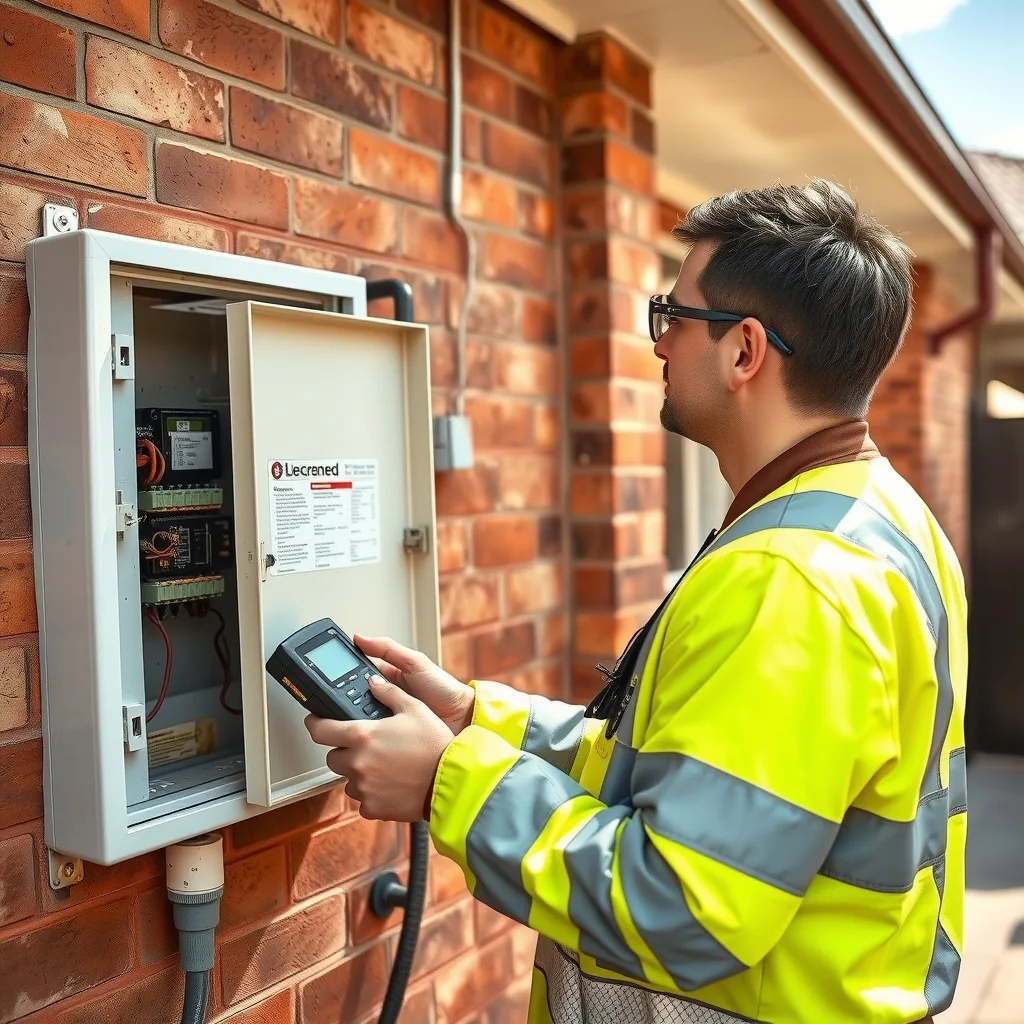
The honest answer sits in the shape of the household’s load curve, not the marketing. A free midday window only pays if the customer can physically move consumption into it, and the biggest movable load in most Australian homes is electric storage hot water, which has traditionally been sitting on a controlled-load circuit that fires overnight. Shifting that to the middle of the day isn’t a phone-app job. Changes to hardwired timers, contactors or circuits at the switchboard are fixed electrical work, and that requires a licensed electrician in every state and territory, with the tariff change itself handled by the retailer.
For rental properties and units, the two groups the scheme was aimed at, the calculation is worse again. A tenant can’t rewire a landlord’s hot water circuit, often can’t run a pool pump because there isn’t one, and is usually out of the house during the free window anyway. That leaves the higher supply charge and the higher peak rate running all day, every day.
The useful move for anyone quoting solar, batteries or a hot water changeover in Queensland, NSW or South Australia is to sit down with the customer’s actual bill and run their address through Energy Made Easy before the conversation turns to hardware, and to have current solar installation costs on hand for that conversation. If the numbers Gilchrist published hold on the customer’s network, a free-window plan can lose against a plain flat-rate offer before a single panel goes on the roof.
What to watch
The next move belongs to the regulator. Solar Citizens has asked the AER to look at whether the scheme is doing what it was sold as doing, and Edis’s suggestion that Energy Made Easy be reworked to surface zero-cost midday offers would change how every installer and every household compares these plans.
Until either lands, treat the three free hours as one line in a quote, not the headline. The daily supply charge and the peak rate are what the customer pays for the other 21.
Frequently asked questions
What is the Solar Sharer scheme?
Solar Sharer is a regulated energy plan switched on in July 2026 that gives households in Queensland, NSW and South Australia three free hours of electricity in the middle of the day, overseen by the Australian Energy Regulator.
Why are critics saying Solar Sharer costs more?
A comparison published in RenewEconomy by Gavin Gilchrist of Inner West Community Energy found the plan’s daily supply charge and peak rate run nearly double a rival plan from the same retailer on Sydney’s Ausgrid network, so households who can’t use all three free hours can end up worse off.
Can I move my hot water system to run in the free midday window myself?
No. Changing hardwired timers, contactors or circuits at the switchboard to shift a hot water system’s controlled-load circuit is fixed electrical work, which requires a licensed electrician in every state and territory.
Is Solar Sharer being investigated?
Solar Citizens has asked the Australian Energy Regulator to investigate whether the scheme is delivering what was promised, while a spokesperson for Chris Bowen says it’s up to retailers to explain why they aren’t passing on more of the benefit.
Sourced from Guardian Australia, RenewEconomy. Original article.