
Queensland electricians can drop old switches, power points, dimmers, sensors and battery-operated smoke alarms into dedicated recycling bins at 19 CNW Electrical branches under a trial run by Clipsal and recycling company TerraCycle. The bins sit at the wholesaler, so the gear goes back on the same trip the sparkie already makes for stock.
The trial was reported by Electrical Connection, which says the pilot is aimed at common electrical products pulled off residential and commercial sites, with eligible waste dropped off during regular visits to participating branches.
Three bins, three streams
Participating branches get three separate boxes rather than one general e-waste skip. One takes assembled electrical products: switches, power points, dimmers and sensors. One takes switch and socket skins on their own. The third takes battery-operated photoelectric smoke alarms.
That last stream has a hard limit. Ionisation and radioactive smoke alarms are excluded, so the small silver canister jobs coming out of older ceilings aren’t covered by this trial and still need their existing disposal pathway.
TerraCycle provides and services the bins, collects the returned products and carts them away for sorting. From there the material is separated into waste streams and processed into raw materials that go back into new products, according to Electrical Connection & Data, which also reported the three-box setup.
The 40% nobody talks about
A Clipsal survey found 40% of electricians were unsure whether they were disposing of electrical waste correctly, the company said in announcing the 2026 Queensland trial. The survey’s sample size wasn’t disclosed in the announcement.
That figure is the whole reason the bins exist, and most people on the tools will recognise it. Clipsal chief executive Chris Kerr put it plainly.
“Electricians regularly remove switches, sockets, smoke alarms and other electrical products from homes and commercial sites, but the correct disposal pathway is not always obvious,” Kerr said.
His argument for putting the bins at wholesalers rather than a depot is about friction, not virtue.
“By placing dedicated bins at wholesalers, we’re putting the recycling option somewhere electricians already visit as part of their working day,” Kerr said.
What it actually looks like on the job
Think about where this waste comes from. A full switch and socket changeover through a three-bedroom house strips every plate, mechanism and dimmer in the place and replaces them, and the old gear fills a bucket before you’ve finished the bedrooms. A commercial fitout refresh does the same at volume, floor by floor.
Right now that bucket goes in the ute tray. Then it goes in the site skip, or the household wheelie bin, or it sits in the back of the van until someone’s had enough of it. None of those are a recycling outcome, and none of them separate the brass, the copper and the engineering plastics that a recycler can actually do something with.
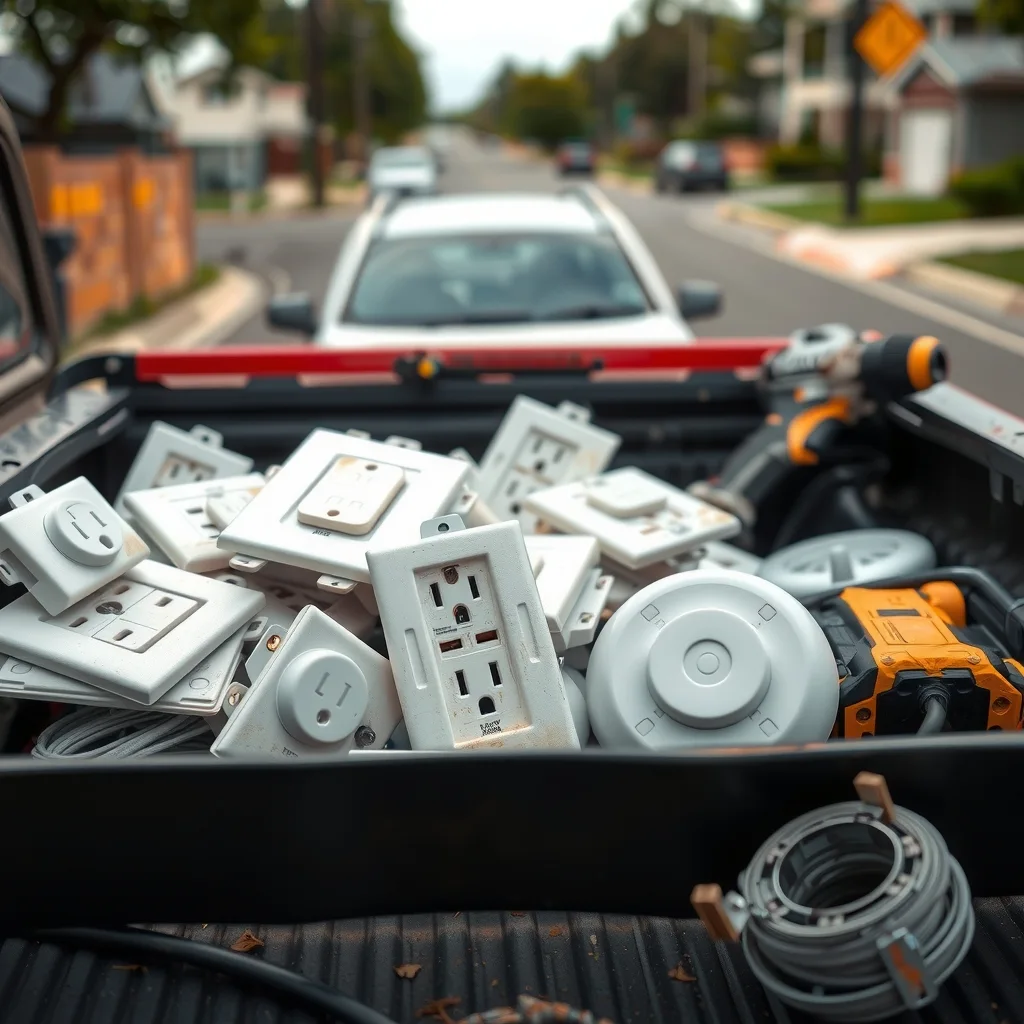
The skins stream is the giveaway that somebody thought about the sorting. Plates and mechanisms are different materials with different recovery paths, and asking a sparkie to split them at the bin beats asking a sorting line to do it later.
Whether the drop-off adds time is the real test, and it comes down to geography. If the box is inside the trade counter door, it costs the length of the walk from the ute. Put it out the back behind a roller door, and you have to ask someone to open it, so the bucket stays in the tray.
Whether it scales depends on what goes in
Clipsal, CNW Electrical and TerraCycle will use the pilot to collect data on the types and volumes of product coming back, and to see how the collection model holds up in practice.
“This trial will give us a clearer picture of how electricians use the service and what’s needed to make electrical waste collection work at a larger scale,” Kerr said.
He also framed it as a shared job rather than a manufacturer’s gesture.
“Improving e-waste recycling requires practical action across the industry, from manufacturers and wholesalers through to the electricians handling products at the end of their working life,” Kerr said.
For Queensland contractors, the thing to watch is which of the 19 branches you actually use, and whether the boxes are still there and still getting emptied in six months. Bins that overflow get ignored, then quietly disappear. Bins that fill up fast are the argument for rolling the thing out to the rest of the country, so what ends up in them over this trial is what decides whether sparkies in the other states get the same option.
Frequently asked questions
Can I put ionisation smoke alarms in the recycling bins?
No. The bin only takes battery-operated photoelectric smoke alarms. Ionisation and radioactive smoke alarms are excluded and still need their existing disposal pathway.
Where are the recycling bins located?
They’re at 19 CNW Electrical branches in Queensland, so electricians can drop off old gear during a trip they’re already making for stock.
What happens to the material after it’s dropped off?
TerraCycle collects the bins, sorts the returned products into waste streams, and processes the material into raw materials that go back into new products.
Will this recycling scheme expand beyond Queensland?
That hasn’t been confirmed. Clipsal says the trial is collecting data on volumes and how the collection model works before deciding whether to scale it up nationally.
Sourced from Electrical Connection, Electrical Connection & Data. Original article.