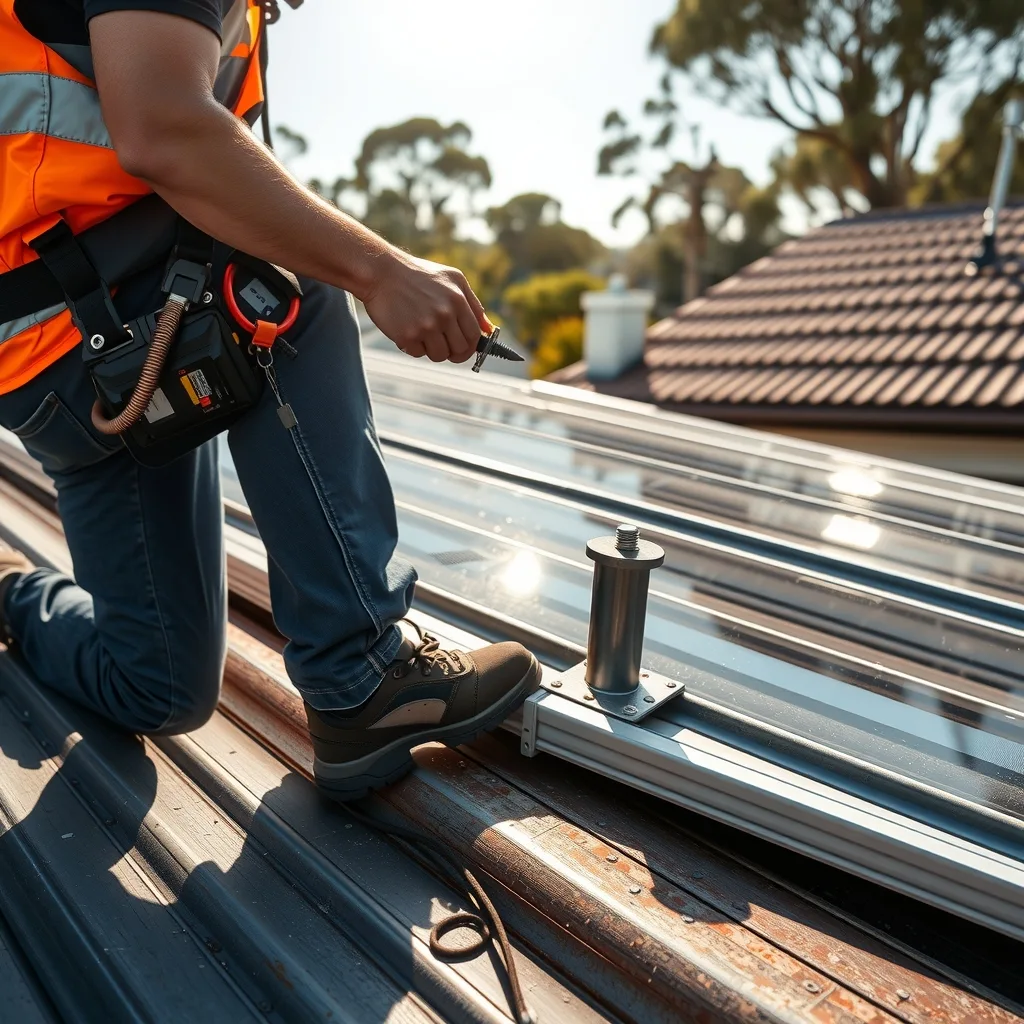

S-5! has redesigned the underside of its CorruBracket 500T, the top-fixed bracket used to hang walkways, utilities and solar arrays off corrugated metal roofing in Australia. The manufacturer has removed the ‘V’ beneath the attachment, a change it says came out of contractor feedback and is meant to stop grit and leaf litter banking up behind the bracket, while also making it harder to crush the sheet when you pull the fixings down.
The update was reported by trade title Electrical Connection, carrying S-5!‘s description of the revised profile as “allowing debris to flow more freely off the roof while helping prevent over compression of the roof sheet during installation”.
Worth knowing before you order: that specific change is single-source. Every distributor listing findable at the time of writing still describes the earlier design, and no release date, price or availability detail for the revised version has been published. The 500T itself isn’t new. Australian and New Zealand distributor listings for it go back years, so this is a revision to an existing part number rather than a launch.
Fixed at the crest, not out of the roof
The 500T fastens into the crest of the corrugation, which S-5! says keeps “the drainage plane free of fastening holes”. That’s the whole commercial argument for the bracket: the fixings sit up on the high point, out of the water plane, instead of down in the valley where the roof actually sheds.
Don’t read that as penetration-free. The sheet is still pierced, just in a spot where standing water isn’t running over the hole. S-5!‘s product page describes the fix as out of the water plane, and distributor copy uses “crest” and “crown” interchangeably for the same fixing point.
The base ships with a factory-applied EPDM gasket, so there’s no wet sealant to gun on and no cure time to wait out on the roof. Surface prep is wiping oils and debris off the sheet, peeling the release paper and setting the bracket down. Anyone who has spent an afternoon on a hot deck watching silicone skin over before the last bracket is down will get why that matters to the day’s program.
Medium duty on the sheet, heavy duty into the frame
There are two ways to hang it, and the difference decides where you can put brackets.
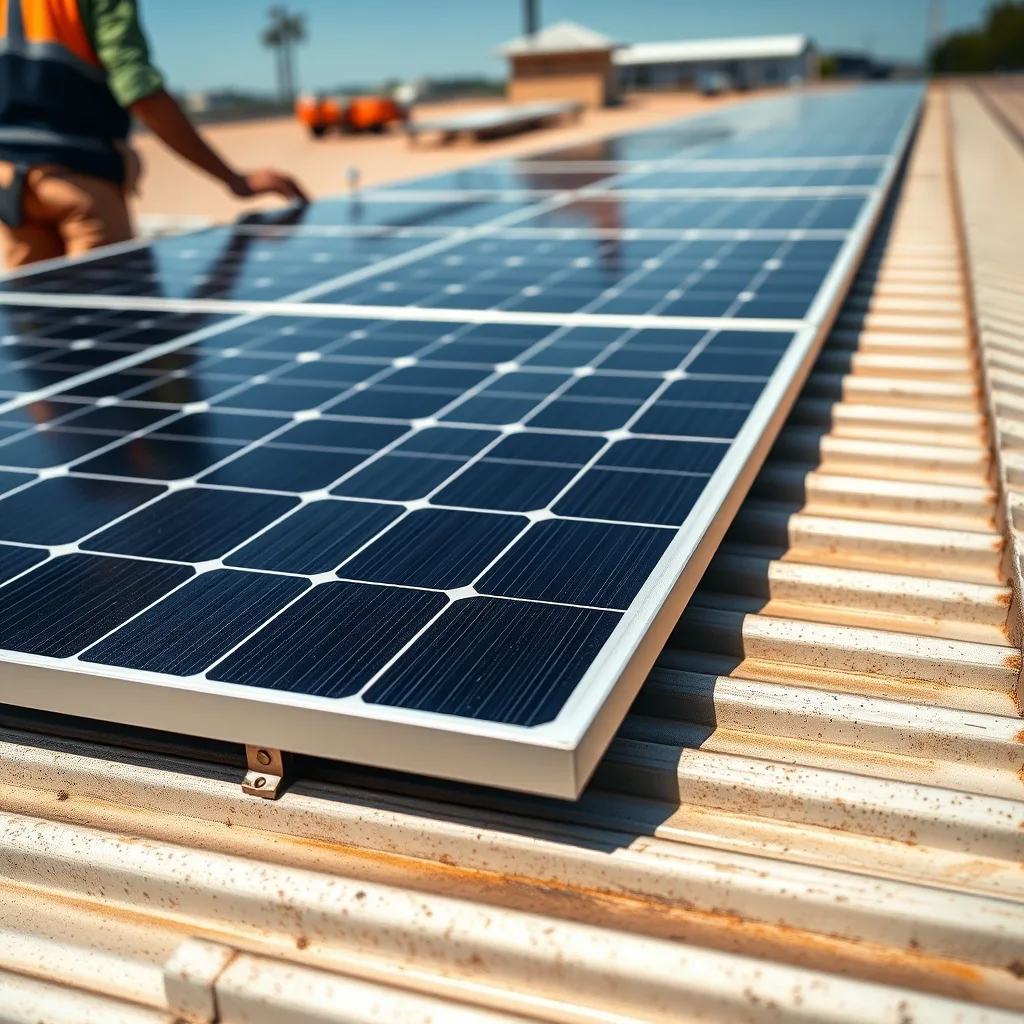
For medium-duty work such as rooftop PV, the 500T can be fixed to the sheeting alone, which S-5! says can be done “at any point along the corrugation”. You’re not chasing purlins, which is the difference between setting out an array to suit the panels and setting it out to suit the structure.
Heavier loads get the other option. Australian distributor No.1 Roofing & Building Supplies spells out fixing through the sheeting into the substrate below for extra support, without crushing the corrugation. Walkways, plant and HVAC gear sit in that camp.
Fixing is either screws through the six pre-punched holes into the crest, or pre-drill and rivet. That’s a fastener call for the installer, not a fixed method, so it’s worth settling before the delivery lands.
Check the corrugation numbers against the datasheet
Here’s a trap. Distributor listings don’t agree on what profile the 500T suits. Australian and US listings state 16 to 18 mm corrugation; a New Zealand listing states 16 to 22 mm. S-5!‘s own page gives a rib pitch tolerance of plus or minus 76 mm.
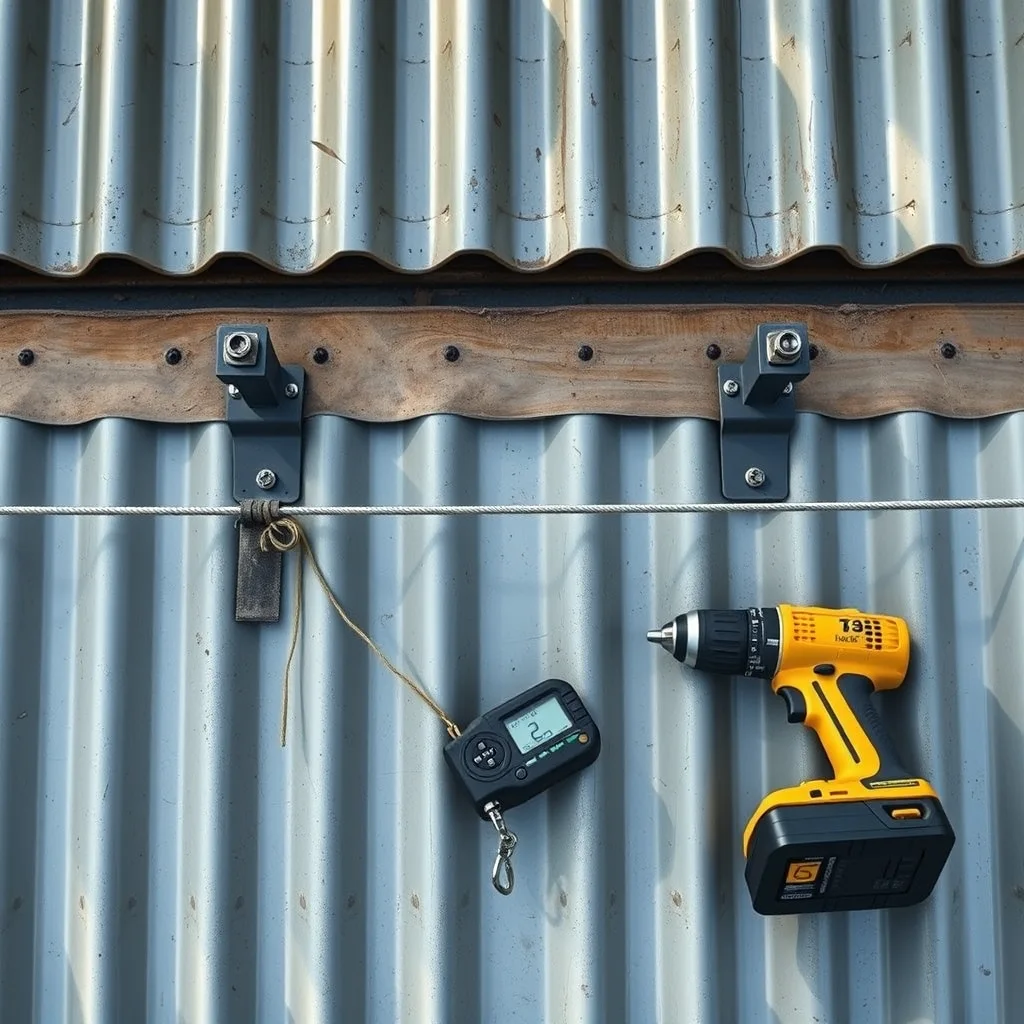
On a retrofit where you’re matching decades-old sheeting, that gap is the difference between a bracket that seats flat and a box of brackets going back on the truck. Pull the manufacturer’s current datasheet and measure the roof rather than trusting a retailer’s spec line. There’s also a CorruBracket 500T Mini sold alongside the standard part, so confirm which one you’re quoting.
S-5!‘s own installation guidance is method work, not guesswork: fit one bracket at each end of the roof at the same measured distance up from the bottom edge, run a string line between them, then set the rest to that line. It also warns against pulling the EPDM gasket off, which is exactly the sort of thing an apprentice does when a bracket won’t sit where they want it.
Who this lands on
The 500T is one of the few bits of kit that a roof plumber, a solar installer and a mechanical contractor all end up touching, because S-5! markets the same bracket for walkways, utilities and HVAC as well as PV. The company told pv magazine Australia back in 2020 that solar and HVAC growth together drove it to double its Australian and New Zealand distribution channel.
No load or wind-uplift figures have been released for the revised bracket, and mounting and wind-load compliance is still your engineer’s and the standards’ problem, not the bracket’s marketing copy. If you’re specifying for a job this quarter, the practical question is whether stock arriving through Australian distribution is the old profile or the new one, because on current listings you can’t tell from the part number.
Frequently asked questions
Does the CorruBracket 500T penetrate the roof sheet?
Yes. It’s screwed or riveted into the crest of the corrugation, so the fixings sit out of the water plane, but the sheet is still pierced. S-5! says the method keeps “the drainage plane free of fastening holes”, which is not the same as penetration-free.
What corrugation size does the 500T suit?
Listings disagree. Australian and US listings state 16 to 18 mm corrugation, a New Zealand listing states 16 to 22 mm, and S-5!‘s own page gives a rib pitch tolerance of plus or minus 76 mm. Check the manufacturer’s current datasheet and measure the roof before ordering.
Do you need sealant to install it?
No. The base ships with a factory-applied EPDM gasket, so there’s no wet sealant and no cure time. Prep is wiping oils and debris off the sheet, peeling the release paper and setting the bracket down.
Is the redesigned version available in Australia yet?
No release date, price or availability detail has been published for the revised version, and distributor listings still describe the earlier design. On current listings you can’t tell the old profile from the new one by part number.
Sourced from Electrical Connection, S-5!, No.1 Roofing & Building Supplies, pv magazine Australia. Original article.