
Australian households plan to spend $85 billion on home energy upgrades over the next five years, averaging $8,340 each, according to the Australian Home Energy Report produced by PropTrack and Origin and released in September 2026. Almost seven in 10 of the 2,957 people surveyed said they had upgrades planned, with the average budget up from $7,950 in 2025.
The findings were reported by AAP’s Jennifer Dudley-Nicholson and carried by The West Australian, with the same wire copy running on RenewEconomy and Starts at 60. BCN could not obtain the underlying PropTrack report as a primary document, so every figure below traces back to that single wire story.
The money sits with the over-50s
The survey found the biggest budgets belong to the people who’ve already paid down most of the mortgage. Respondents aged 50 to 64 planned to spend $9,450 on average. Those under 35 planned $5,900.
That’s a $3,550 gap between the two ends of the market, and it tells you where the phone calls come from. Owner-occupiers in established suburbs, not first-home buyers in new estates.
Renters plan to spend less than home owners too. RealEstate.com.au senior economist Eleanor Creagh put that down to a lack of control over their living circumstances, the wire report said. No surprise to anyone who’s ever quoted a tenant on a heat pump hot water swap and then had to chase a landlord who was never going to pay for it.
The installed base is already enormous
The research landed weeks after Australian households passed half a million installed battery systems, on top of more than 4.5 million homes and businesses with solar panels.
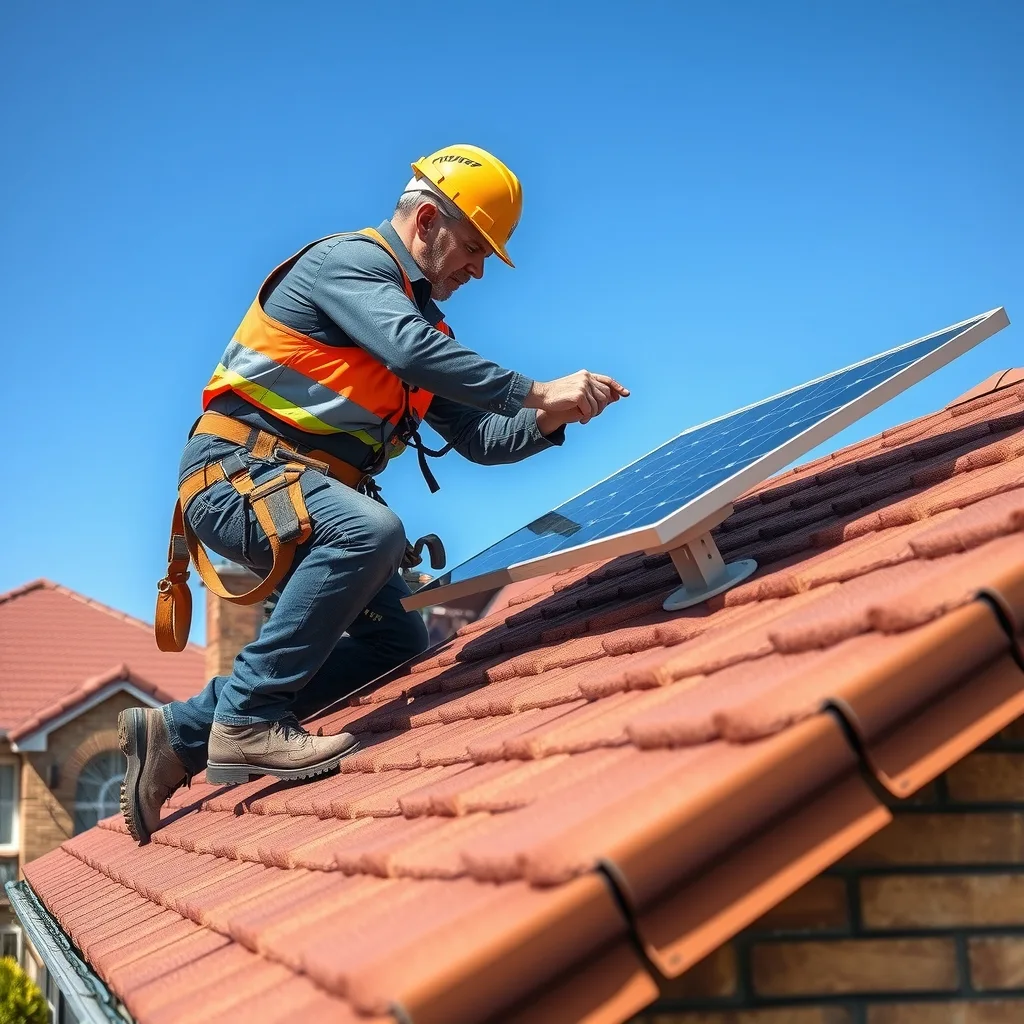
That matters more to an electrical contractor than the $85 billion headline does. Four and a half million existing solar sites means four and a half million switchboards, inverters and roof arrays that will need fault-finding, replacement and, increasingly, a battery bolted onto a system that was never designed with one in mind.
Retrofit work is different work to new installs. You’re working around someone else’s decade-old array, someone else’s meter box, and a homeowner standing in the garage asking questions.
Accreditation is the gate on this pipeline
Here’s the practical bit. Solar PV and battery installations have to be done by an accredited installer for the owner to claim federal small-scale technology certificates under the Small-scale Renewable Energy Scheme. No accreditation, no certificates, and the customer’s upfront price jumps. That single requirement decides which electricians get a share of this spend and which ones watch it go past, particularly as state solar rebate rules stack incentives on top of it differently in every jurisdiction.
Any hardwired part of these jobs is licensed electrical work in every Australian state and territory. There’s no jurisdiction where a homeowner can legally do their own fixed wiring, whatever the YouTube tutorial says, and the wiring rules that govern the job are AS/NZS 3000.
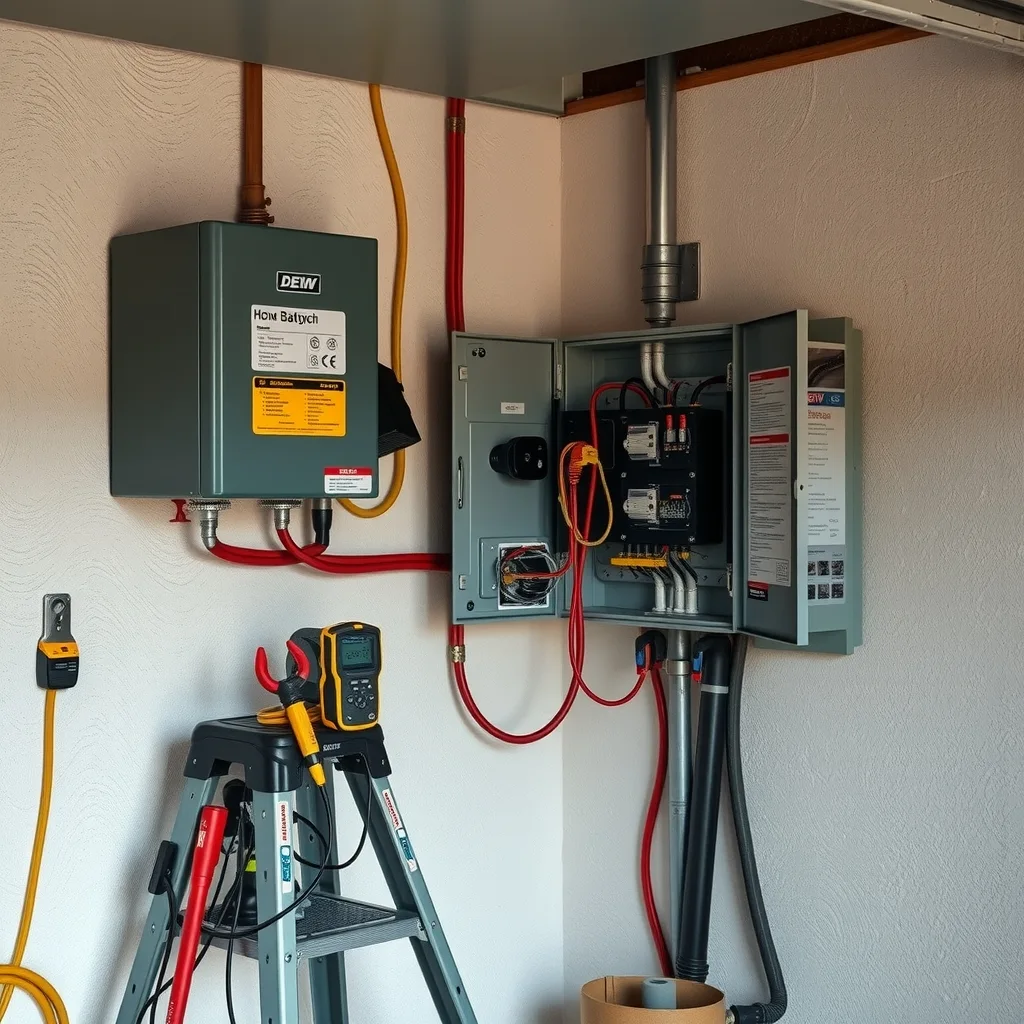
Watch for the two-trade jobs as well. Swapping a gas hot water unit for a heat pump isn’t purely an electrical job, because decommissioning the gas side is gasfitting, and gasfitting requires a licensed gasfitter everywhere in the country. If you’re a sparkie quoting that work solo, you need a gasfitter on the job or you need to say so upfront in the quote.
What an $8,340 average actually means for your order book
The number to hold onto isn’t $85 billion. It’s $8,340, spread over five years, per household.
That’s not a project. It’s a sequence of small residential jobs paid for out of savings, one at a time, when the power bill gets ugly or the old system finally dies. It’s the kind of pipeline that suits a one- or two-van operation with good local referrals, not a crew geared up for commercial contracts. Anyone quoting a retrofit battery job can sanity-check that figure against a home battery installation cost guide before pricing it.
It also means the work is stated intention, not signed contracts. Households plan plenty of things. A survey of 2,957 people is a decent read on sentiment and a poor guarantee of revenue, and the spending is self-funded, so it moves with interest rates and confidence.
The usable signal is the shape of the customer: a home owner, probably over 50, in an existing house, doing one upgrade at a time. If that’s not who you’re marketing to, the $85 billion isn’t aimed at you.
For anyone weighing up accreditation or an extra apprentice off the back of this, the thing to watch is whether the battery install rate holds up now that the half-million mark has passed, and whether any state scheme changes shift who’s paying. Check the scheme rules with your state regulator before you build a quote around them.
Frequently asked questions
Can a homeowner legally do their own wiring for a solar or battery upgrade?
No. Any hardwired part of a solar or battery installation is licensed electrical work in every Australian state and territory, governed by the AS/NZS 3000 wiring rules.
Why does the installer’s accreditation matter for solar rebates?
Solar PV and battery installations must be done by an accredited installer for the owner to claim federal small-scale technology certificates under the Small-scale Renewable Energy Scheme. Without accreditation there are no certificates, and the customer’s upfront price rises.
Do I need a separate tradie to swap a gas hot water system for a heat pump?
Often yes. Decommissioning the gas side of the job is gasfitting, which requires a licensed gasfitter everywhere in Australia, so an electrician quoting that job solo needs a gasfitter involved or should say so in the quote.
Sourced from The West Australian, AAP, RenewEconomy, Starts at 60. Original article.