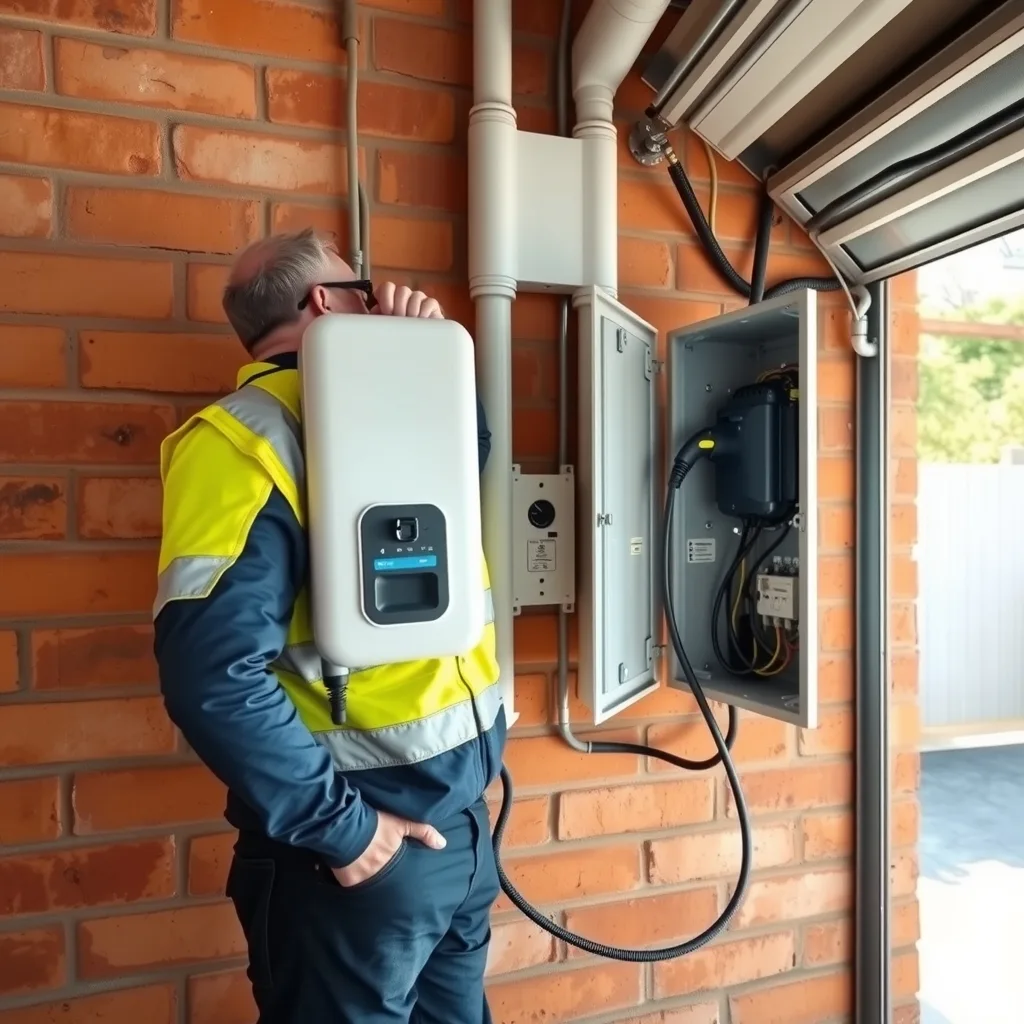

Australians bought 27,078 fully electric vehicles in August, one in four new-car sales, outselling petrol vehicles (25,824) and diesel (23,608) for the first time, according to monthly figures from the Federal Chamber of Automotive Industries and the Electric Vehicle Council. Count plug-in hybrids as well and battery-powered cars took 36 per cent of the market, pushing combined petrol and diesel sales below half for the month.
The numbers were reported by The Sydney Morning Herald, which spoke to carmakers, analysts and motoring groups about what the month means. BYD spokesman Paul Ellis said the market had crossed a line it won’t cross back over, telling the paper “the shift is now absolute” and that “It’s going to continue to increase.”
That’s a fair turn for a country that spent years near the back of the pack on EV uptake, held back by thin model choice, high prices next to other markets, and doubts about range over Australian distances. Two things changed at once, the Herald reported: fuel prices climbed sharply as the war between the United States and Iran squeezed global oil supply, and a wave of lower-cost Chinese models landed at prices competitive with petrol equivalents.
”Myths have been busted”
Ellis said drivers who’d actually spent time in an EV were doing the selling for the industry.
“People are seeing first-hand that they are easier to drive, offer better performance, and word has been spreading,” he said.
“People are seeing first-hand that they are easier to drive, offer better performance, and word has been spreading.”
The brand table backs the shift. Toyota still led August with 19,712 sales, down 5 per cent on a year earlier. BYD came second on 8,231, up 68 per cent, with Tesla third on 7,685, up 160 per cent.
Worth keeping in mind: those figures cover the whole new-car market. They don’t break out work utes and vans, so they’re not a direct read on what’s parked outside a job site at 7am.
Charging is the bottleneck now
More than 80,000 electric vehicles have hit Australian roads in the past three months alone, according to Riz Akhtar, founder of consultancy Carloop. He called August the “clearest sign that drivers were sick of paying high prices at the fuel pump” and said drivers were “making the switch faster than ever”.
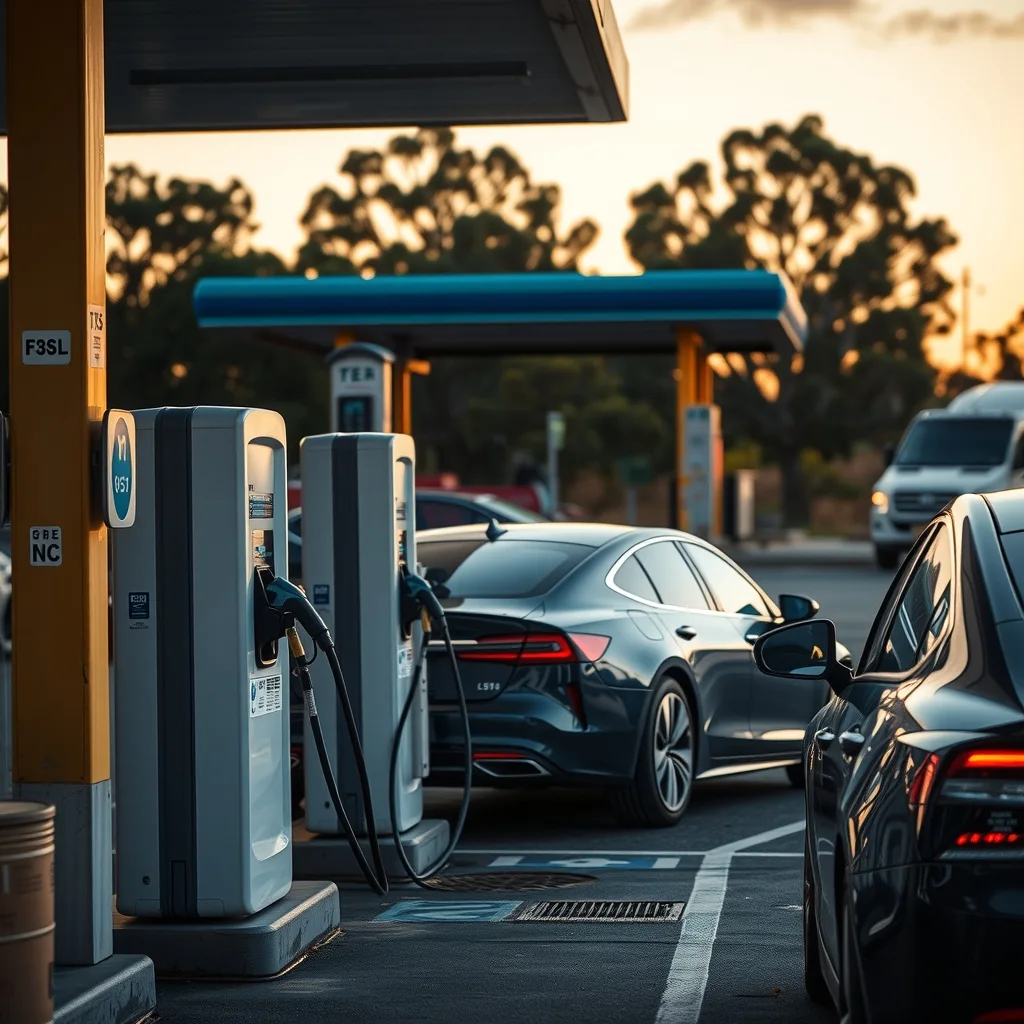
The charging network isn’t matching that pace. Carloop counted 515 fast-charging sites in NSW as of last month and 396 in Victoria.
“That’s going to be the biggest challenge as we expect over 30,000 more electric vehicles on Victoria’s roads, leading up to Christmas,” Akhtar said.
Ellis said the worry buyers raise now isn’t the daily commute, it’s the long weekend run to a regional town, and whether a charger will be free when they get there. On infrastructure, he said “it’s happening rapidly, but probably not quickly enough to match sales”.
What the work actually looks like
Every one of those cars is a potential job for a sparkie, and it’s regulated work. A hardwired wall charger is fixed electrical wiring, which is why it needs a dedicated circuit, and it means a licensed electrician in every state and territory does the job. There is no version of it a homeowner can legally do themselves, no matter how tidy the garage wall looks.
The install isn’t just hanging a box and running a cable either. The assessment comes first: what the switchboard can carry, what the incoming supply can carry, whether the board needs work before anything gets added to it, and how the charger is protected once it’s in. Older housing stock is where that gets interesting, and where the quote stops being a flat number off a website. Homeowners comparing quotes can check current price ranges in this EV charger installation cost guide.
Public fast charging is a different animal again, and a different order book. Those sites run as a small civil and electrical project: site works and footings, conduit and cable runs, a network connection through the local distributor, then switchgear, the units themselves, and commissioning before anyone plugs in. Timelines run on network connection approvals more than on the electrical labour, which is why site counts lag registration counts by so much.
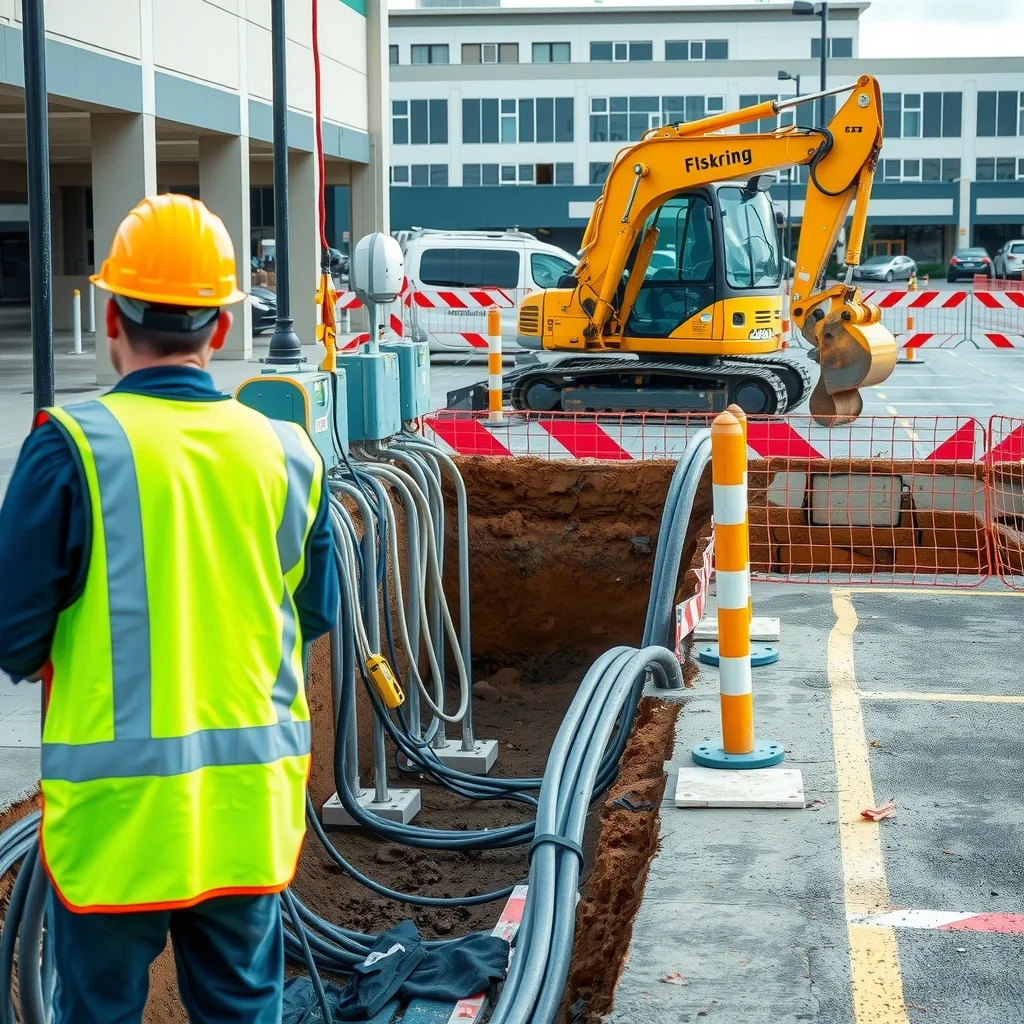
Then there’s the fleet layer nobody sees from the street. Depots, council yards, van fleets and apartment car parks all need charging that gets designed once and installed properly, and that’s repeat work rather than a one-off callout. Sparkies weighing whether to build EV charging into their service list should check the training and accreditation requirements with their state electrical regulator, and can look at what industry bodies such as NECA put out for contractors.
What to watch
A new NRMA survey of more than 42,000 members found petrol and diesel drivers were now more anxious about fuel costs than EV owners were about finding a charger. NRMA spokesman Peter Khoury said the barriers to adoption were steadily falling and 2026 would be remembered as the turning point.
“This is not a flash in the pan,” Khoury said.
Federal Energy Minister Chris Bowen called August’s result a “landmark moment”, saying: “Australians have seen through the scare campaigns and are voting with their wallets for cars that are cheaper to run, cleaner and reduce their exposure to international petrol prices shocks.”
The number to keep an eye on is Akhtar’s 30,000 extra EVs expected on Victorian roads before Christmas, against a base of 396 fast-charging sites. If the cars keep landing faster than the chargers go in, the pressure lands on two places: queues at highway stops, and the phones of electrical contractors doing home and depot installs. For anyone deciding whether to put a second sparkie on next year, that gap is the signal worth reading.
Frequently asked questions
Can I install my own EV home charger?
No. A hardwired wall charger is fixed electrical wiring, so a licensed electrician must do the job in every state and territory.
How many fast-charging sites are there in NSW and Victoria?
Carloop counted 515 fast-charging sites in NSW and 396 in Victoria as of last month.
Why did EVs outsell petrol cars in August?
Fuel prices rose sharply after the war between the United States and Iran squeezed global oil supply, and a wave of lower-cost Chinese EV models arrived priced close to petrol equivalents, according to the SMH report.
Sourced from The Sydney Morning Herald. Original article.