
Two large Australian fleets have had drivers ask management to put video cameras in their vehicles, Geotab APAC senior manager of solutions engineering Chris Martin told the Australasian Fleet Management Association’s 2026 summit, held from 19 to 20 May in NSW. Martin said the requests ran against years of driver pushback on in-cab monitoring, and that video telematics, AI-based safety analytics and fuel waste were the three subjects fleet operators kept circling back to.
The account comes from an interview with Martin published by Utility Magazine. Geotab sells the telematics hardware and software being discussed, so treat the enthusiasm accordingly, but the shift he describes in driver attitudes is worth a look if you’ve got vehicles on the road with someone else’s hands on the wheel.
”Drivers coming to them and asking for video telematics”
Cameras pointed at the driver have historically been the hardest sell in any fleet, big or small. Martin reckons that’s changing.
“I had two separate people at AFMA this year tell me, from quite large fleets, that they’ve actually got drivers coming to them and asking for video telematics to be introduced into the fleet,” he said.
“That was a really fascinating change.”
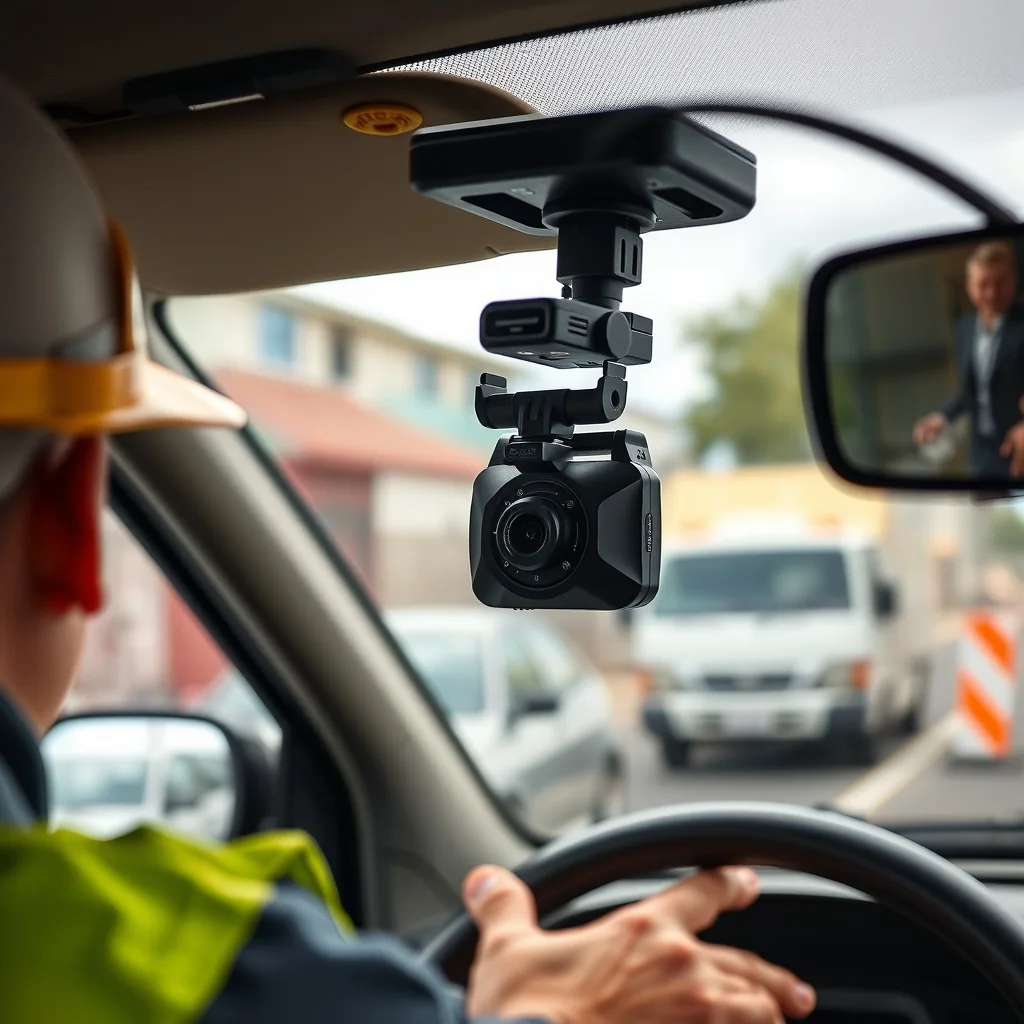
His read is that drivers have worked out the footage cuts both ways. “Video brings an extra layer of context that changes the way you can manage and react to events happening throughout your fleet,” Martin said.
“It also allows you to detect a whole new range of situations that we couldn’t before, things like tailgating or distracted driving. There’s so much power and value in being able to identify these behaviours and ultimately reduce incidents on the road.”
The pitch is prediction, not playback
The sales argument has moved on from proving what happened after a prang. Geotab says it collects 100 billion data points a day from six million vehicles globally, a figure Martin cited at the AFMA Summit in May 2026, and the company’s line is that a dataset that size lets it spot the driving patterns that precede a crash.
“We’re very privileged to have such a big data set. One hundred billion data points a day across six million vehicles globally is immensely powerful, allowing us to identify patterns of driving and safety incidents in a way that we couldn’t previously,” Martin said.
“There’s a lot of interest in how we’re able to use data in new ways to identify safety trends ahead of time, rather than in a more reactive manner.”
The broader mood at the summit, he said, was operators wanting more out of gear they’ve already bought. “I think a theme across the board was that fleet managers want to level up,” Martin said. GPS tracking is old news in most commercial fleets. What to bolt onto it isn’t.
Fuel came up in every industry segment, according to Martin. “Fleet operators are feeling the pressure of rising costs, but they’re asking how they can become more resilient when fuel prices are outside their control.”
What any of this means if you run three utes
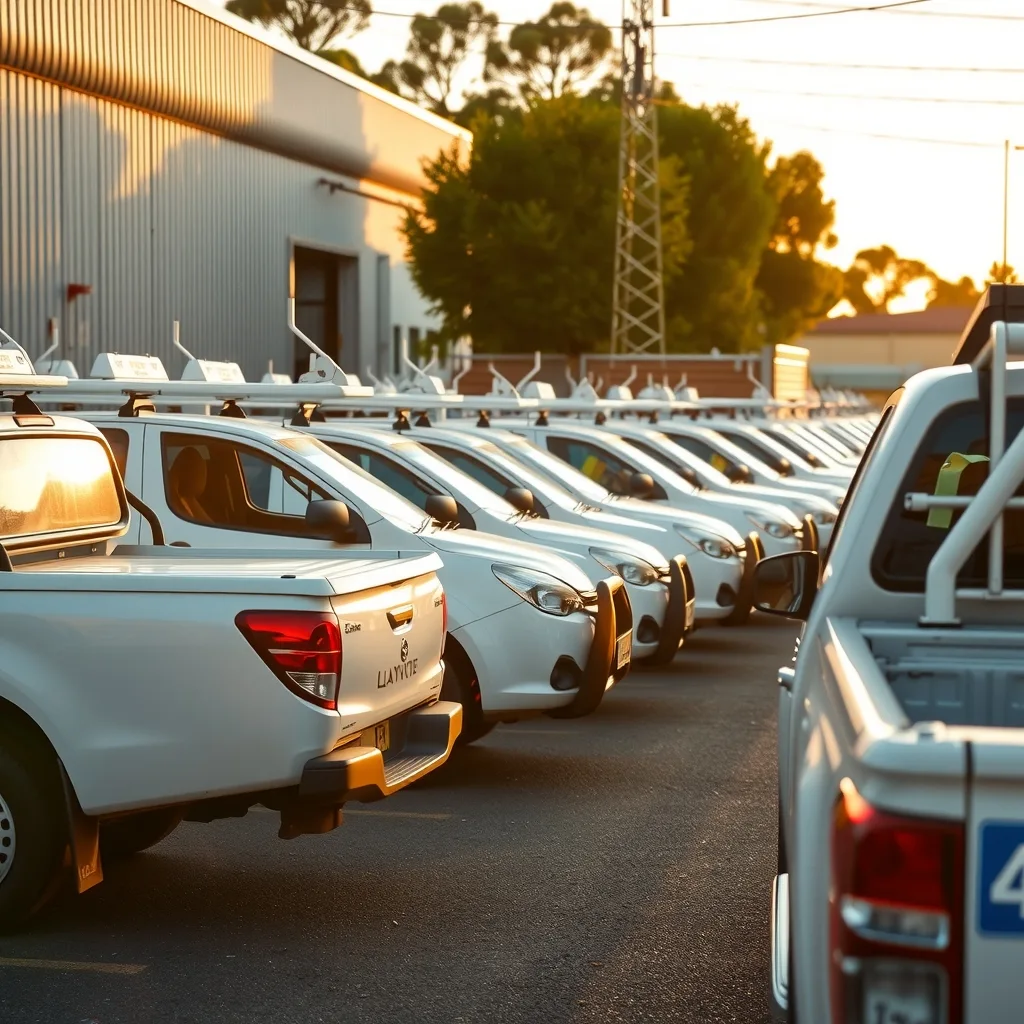
Most of the room at an AFMA summit runs hundreds of vehicles. A sparkie or a plumbing outfit with three utes and an apprentice on a learner-friendly Hilux is a different animal, but the same three questions land on the same desk.
The first is liability. Under the model work health and safety laws a vehicle used for work is a workplace, which puts the ute in the same frame as the site, and Safe Work Australia publishes the model codes that sit behind that. If a driver in one of your vehicles is in an incident on the way to a job, footage is the difference between an argument and a record.
The second is fuel and idling, which is where small operators usually see money first. Nobody controls the bowser price. Time spent idling outside a supplier’s yard, kilometres run on a job that was quoted at half that, and the second trip back for a part you should have loaded at 6am are all measurable, and they all show up on a diesel card at the end of the month.

The third is the awkward one. Cameras that watch the driver mean cameras that watch your leading hand, and the rules on notifying staff about workplace surveillance differ between states. Before you fit anything with a lens on the cab side, check your state’s requirements rather than assuming a national rule applies.
Martin didn’t put a dollar figure on any of the technology at the summit, and the source article doesn’t carry one either. That’s the number a small operator needs before the pitch means anything.
What to watch
The useful signal from the summit isn’t the AI talk, it’s that in-cab video has stopped being something drivers fight and started being something some of them ask for. If that holds, the argument in a small business shifts from whether to fit cameras to who pays for the subscription and who’s expected to sit down and review footage after an incident.
Martin’s closing observation about the people running these fleets applies just as neatly to a two-ute business owner doing the books on a Sunday night.
“Fleet managers do an incredible job. They wear so many hats and they’re incredibly busy people, but there’s still this willingness to ask, ‘How do we do it better?’”
“Fleet managers do an incredible job. They wear so many hats and they’re incredibly busy people, but there’s still this willingness to ask, ‘How do we do it better?’,” he said.
More detail on Geotab’s Australian offering is at geotab.com/au.
Frequently asked questions
Do employers have to tell staff before fitting cameras in work vehicles?
Rules on notifying staff about workplace surveillance differ between states, so operators should check their own state’s requirements rather than assume one national rule applies before fitting a camera with a view of the driver.
Is a work vehicle treated as a workplace under WHS law?
Yes. Under the model work health and safety laws a vehicle used for work is treated as a workplace, and Safe Work Australia publishes the model codes that sit behind that.
How much driving data does Geotab collect?
Geotab says it collects 100 billion data points a day from six million vehicles globally, which it uses to try to identify driving patterns that precede a crash before an incident happens.
Sourced from Utility Magazine. Original article.