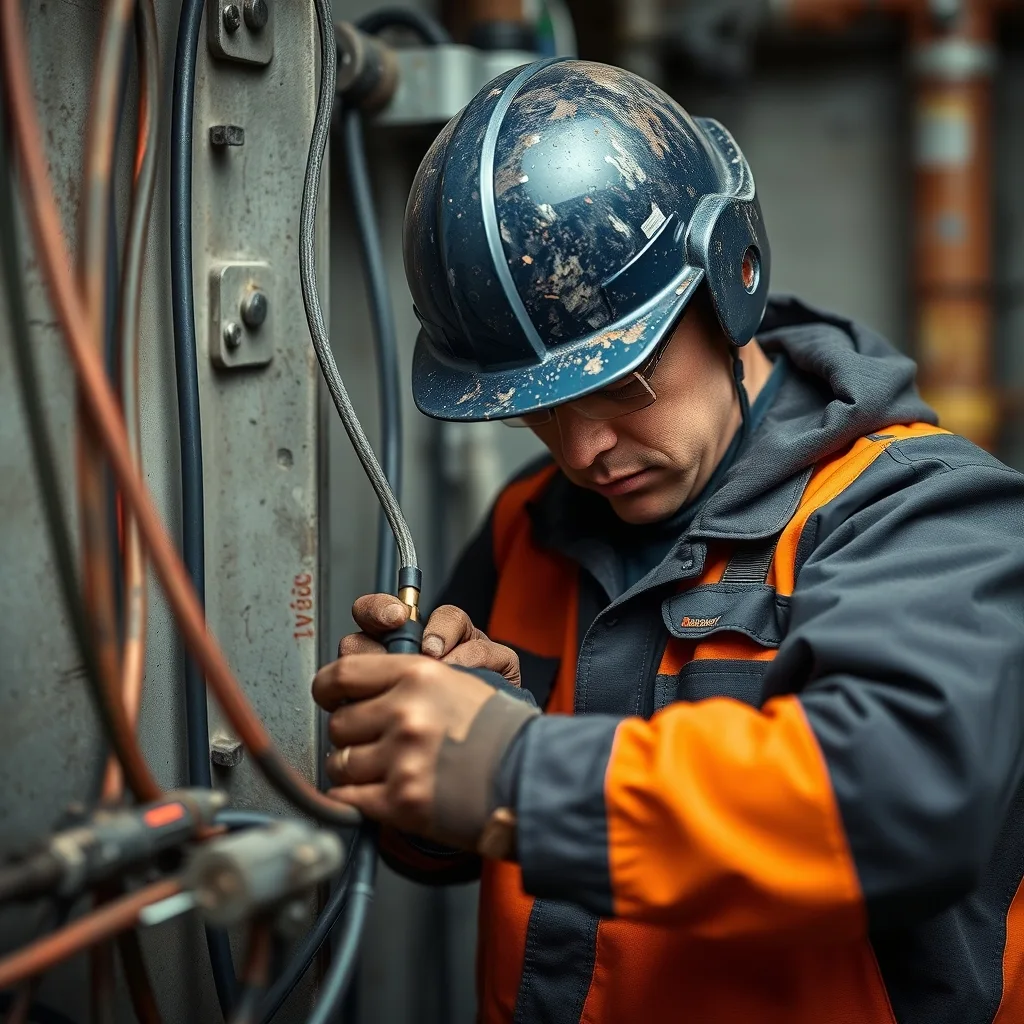

Cable jointing is one of those jobs where the wrong call can cost far more than the price of a sleeve. Cold shrink and heat shrink terminations each have a place on the tools, and knowing which to reach for matters.
Heat shrink has been the industry standard for decades. You apply heat from a gas torch or heat gun and the sleeve contracts tightly around the cable joint. It works well in controlled environments, bonds reliably, and the materials are cheap and widely stocked. The downside is obvious on a live site: open flame near other cables, in confined spaces, or anywhere with flammable dust or vapour is a risk most electricians would rather avoid.
Cold shrink solves that problem. The sleeve comes pre-expanded on a removable core. You slide it into position, pull out the core, and the silicone contracts without any heat at all. No torch, no power supply, no hot-work permit needed. That makes it the preferred choice for underground work, switchroom terminations, or any job where open flame is off the table.
The trade-off is cost. Cold shrink sleeves run noticeably dearer than heat shrink equivalents, and they have a finite shelf life once the core is removed, so you need to work quickly. They also require correct sizing from the start, because there is no second chance once the silicone seats.
For most high-voltage cable work and any termination in a confined or hazardous space, cold shrink is the safer and cleaner option. For general MV and LV work in open conditions where cost is the primary driver, heat shrink remains a solid choice. Either way, follow the manufacturer’s installation guide and the relevant Australian Standard, because a poorly installed joint will fail regardless of which method you chose.
Frequently asked questions
Can I use cold shrink on low-voltage cables?
Yes. Cold shrink sleeves are available for LV, MV, and HV cables, but they are most commonly specified for MV and HV joints and any termination where open flame or heat sources are prohibited.
Do I need a hot-work permit for heat shrink cable jointing?
In many workplaces, yes. Using a gas torch or heat gun in a switchroom, underground pit, or any area with flammable materials typically triggers hot-work permit requirements under site safety rules.
How long can a cold shrink sleeve sit on its core before use?
Shelf life varies by manufacturer, but once the pre-expanded sleeve is removed from its packaging the core should be pulled and the joint completed promptly. Check the manufacturer’s data sheet for specific guidance.
Which Australian Standard applies to cable jointing?
AS/NZS 3000 (Wiring Rules) sets the overarching requirements, but cable joint and termination kits are also governed by relevant product standards and network operator specifications. Always follow the manufacturer’s installation guide alongside the applicable standard.
Sourced from Energy Magazine. Original article.