
BYD will drop the 350kW Performance powertrain into the Shark 6 cab-chassis before the end of 2026, lifting the work-bodied ute’s maximum tow rating from 2,500kg to 3,500kg at a price expected to land around $61,000, Electrical Connection reports.
The trade publication says precise timing and pricing are yet to be confirmed by BYD Australia, but the upgrade is expected in showrooms before the year is out. That report is the only one carrying the end-of-2026 timing and the $61,000 figure, so treat both as guidance rather than a locked-in price list.
Right now you have to pick one or the other
The Shark 6 got its first major update in the first half of 2026, and it brought two things tradies had been asking about: a cab-chassis body for anyone who wants a tray or a service body on the back, and a higher-output pickup with the full 3,500kg tow rating.
Here’s the catch: they don’t overlap. As Electrical Connection puts it, 3,500kg of towing headroom can only be had with the pickup bodystyle, and if a cab-chassis is what the work demands, you’re stuck with the lower-output drivetrain and its 2,500kg ceiling.
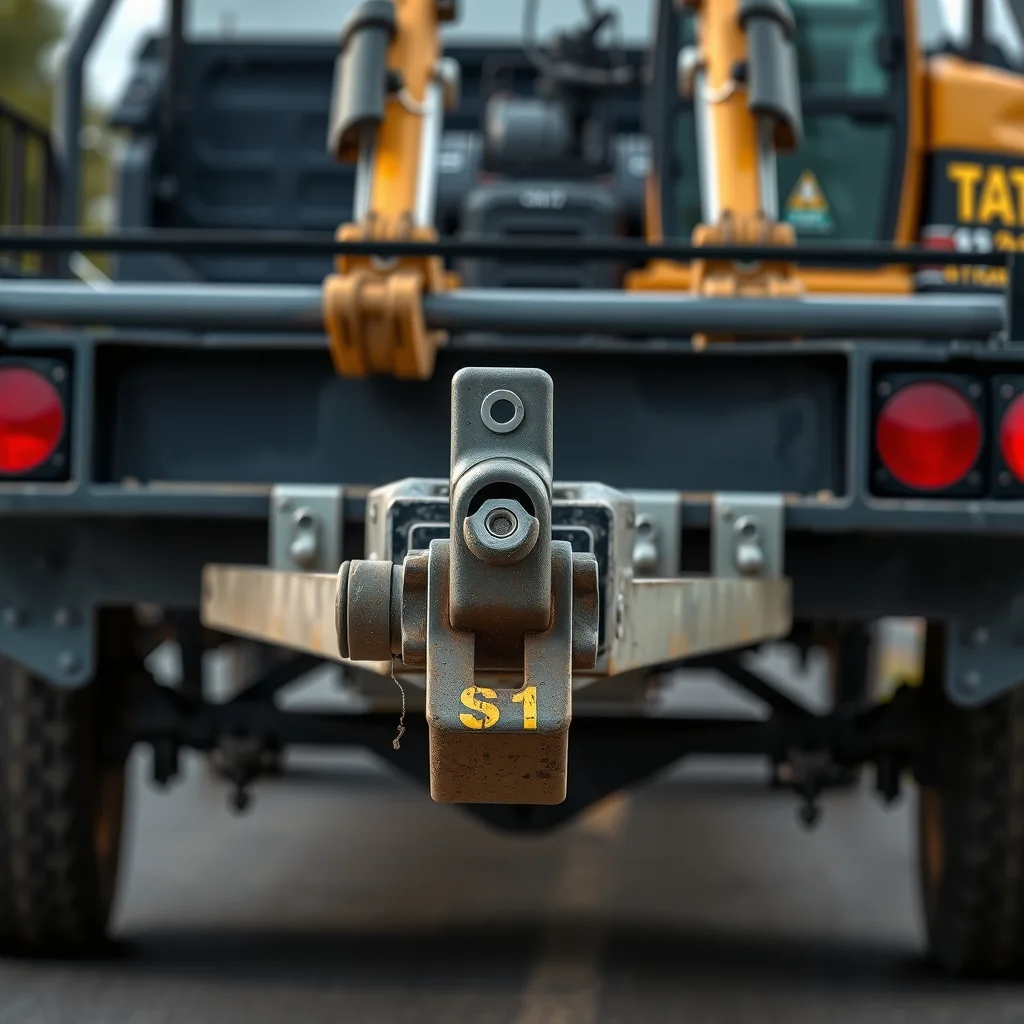
That’s a real gap for anyone running a plant trailer. A tonne of towing capacity is the difference between a mini excavator and skid steer combo being legal behind the ute and being someone else’s problem.
The 2.0-litre engine is what moves the number
The Performance version swaps the standard Shark 6’s 1.5-litre petrol engine for a 2.0-litre unit on the combustion side of the plug-in hybrid system, taking combined output to 350kW. Electrical Connection notes the bigger engine improves the ute’s power-to-weight ratio and adds the full tonne to the towing figure.
At 3,500kg, the Shark 6 Performance lines up with the diesel benchmarks every site ute gets measured against: Ford Ranger, Toyota HiLux, Mitsubishi Triton and Isuzu D-Max. The Driven also reports the Performance carries a 350kg tow ball download rating, which is the number that actually bites when you’ve got a heavy-drawbar trailer and a tray full of gear at the same time.
What it costs against the rest of the range
The existing Shark 6 Dynamic Cab Chassis sits at $55,900 before on-road costs, with the Premium pickup at $57,900, according to CarExpert. Drive reports the 2.0-litre Performance commands a $5,000 premium over the 1.5-litre version.
Run those together and the roughly $61,000 figure for a Performance-powered cab-chassis looks about right, though BYD hasn’t confirmed it.
The cab-chassis already does what fleet-focused variants always do: it drops equipment to hit a lower number. 4X4 Australia has reported the cab-chassis goes without the head-up display, the heated and ventilated seats and the larger infotainment screen. That’s the same play Toyota runs with the HiLux WorkMate and Ford runs with the Ranger XL. Nobody buying a ute to carry a service body is crying over a smaller screen.
No single cab, no 4x2, not yet
One thing BYD isn’t doing is chasing the cheapest end of the work-ute market. The brand told Electrical Connection it’s happy to leave 4x2 and single cab configurations to other makers for now while it concentrates on the 4x4 dual cab space.
For a lot of one-ute operators that’s the whole conversation. A single cab 4x2 with a tray is still the default first work vehicle for plenty of sparkies and plumbers, and a $55,900-plus dual cab isn’t competing for that money.
The Shark 6 has still shifted serious volume. More than 21,000 of the 1.5-litre version have been delivered in Australia to date, Drive reported in 2026. BYD Australia’s own forecast, published by GoAuto, has the mature sales mix landing at 55 per cent Premium, 25 per cent Performance and 20 per cent cab-chassis. One in five Shark 6 buyers putting a tray or a service body on the back is a decent slice of the order book.
Momentum did cool through mid-2026 after the early rush for the country’s first plug-in hybrid ute passed, Drive reported, coinciding with the end of a fringe benefits tax exemption that had been pulling buyers in.
What to watch
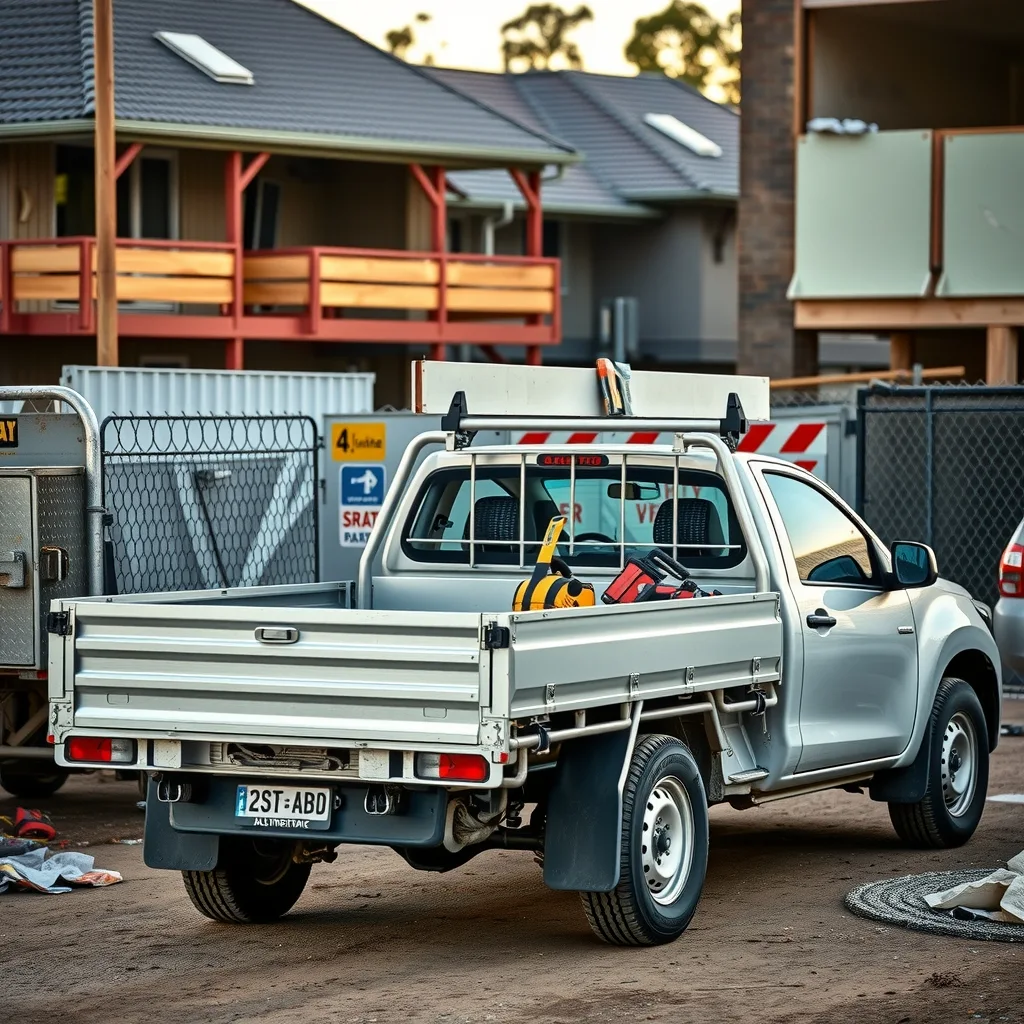
Two things before you commit a deposit. First, whether BYD actually confirms the Performance cab-chassis and its price before December, because right now that timing rests on a single report. Second, the compliance plate numbers once a tray or service body is bolted on. A headline tow rating is only half the story; gross combination mass and what’s left of your payload after the body, the toolboxes and the ladder rack go on is the figure that decides whether the trailer is legal on a Monday morning.
Frequently asked questions
Can the BYD Shark 6 cab-chassis tow 3,500kg right now?
Not yet. Currently only the pickup bodystyle with the Performance powertrain gets the full 3,500kg rating; the cab-chassis is limited to 2,500kg until BYD adds the Performance option.
When will the Shark 6 Performance cab-chassis be available?
Electrical Connection reports it’s expected before the end of 2026, though BYD Australia hasn’t confirmed exact timing or pricing.
How much will the Shark 6 Performance cab-chassis cost?
Reports suggest around $61,000 before on-road costs, based on the current $55,900 Dynamic Cab Chassis price plus the roughly $5,000 premium charged for the 2.0-litre Performance engine, but BYD hasn’t confirmed this figure.
What’s the Shark 6 Performance’s tow ball download rating?
The Driven reports it’s 350kg, the figure that matters most with a heavy-drawbar trailer and a loaded tray at the same time.
Sourced from Electrical Connection, Drive, CarExpert, The Driven, GoAuto, 4X4 Australia. Original article.