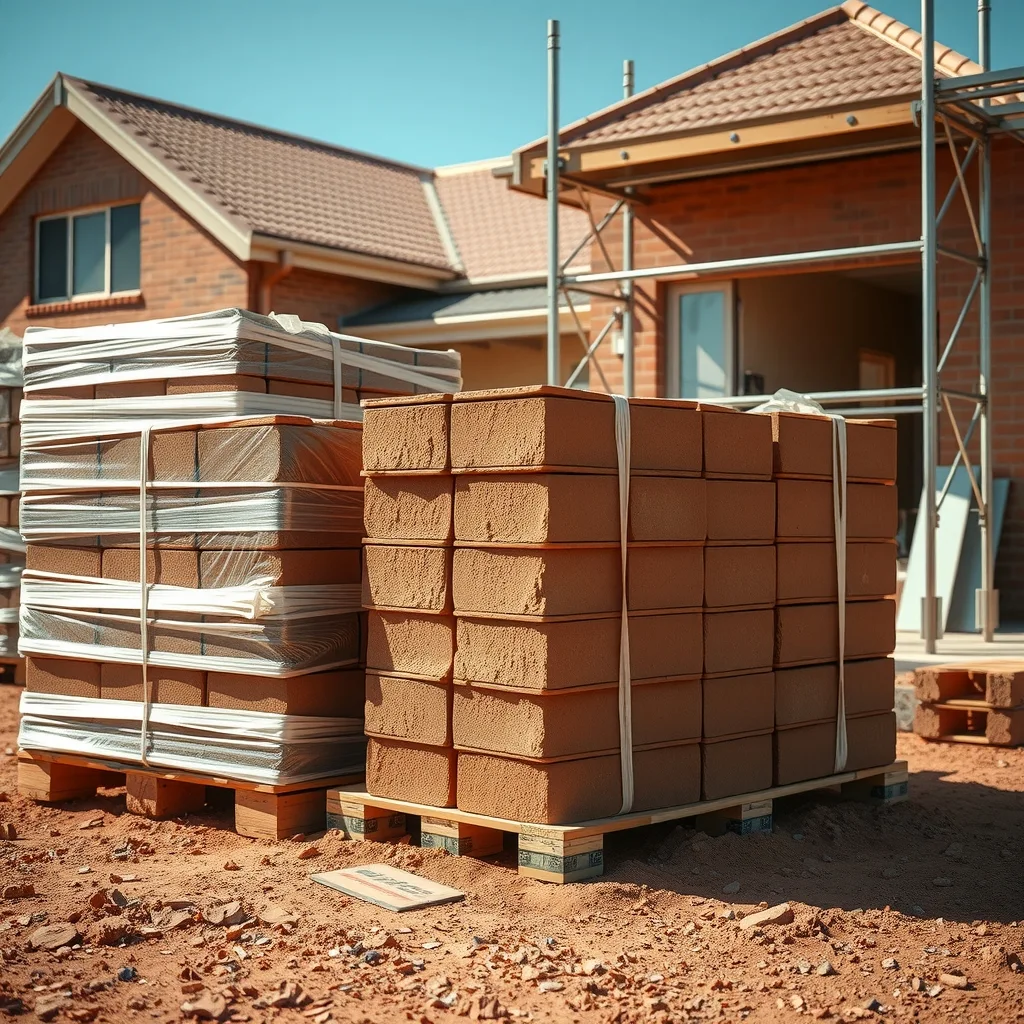

Western Australia’s government will pay Austral Bricks up to $4 million to restart its shuttered Cardup brickworks, in a bid to break a supply squeeze that has left the state with a single operating brickmaker and homebuilders sitting on jobs they can’t get bricks for. The package is $3 million up front, plus $500,000 if the Sydney-based company is back in production by March and another $500,000 if it turns out at least 17 million bricks in its first year.
The deal was announced at a construction site in the northern Perth suburb of Sinagra and reported by the ABC. Austral shut Cardup in mid-2023 on a lack of demand, leaving Midland Brick as the only manufacturer in the state. Reopening the plant is expected to lift WA brick production by up to 15 per cent.
The number that explains the whole mess: the number of detached homes starting construction in WA has grown by more than 50 per cent since Austral closed Cardup in mid-2023, according to the state government. Supply didn’t move with it.
”We don’t have the bricks”
Treasurer Rita Saffioti said the money was about protecting build momentum and taking some heat out of material prices.
“This is making sure we do everything possible to continue the momentum of building more homes and also reducing the challenges of increased costs [of] bricks,” she said.
Asked why taxpayers had to kickstart a plant when demand is already through the roof, the Deputy Premier said the government was backing critical sectors “to get on with it”.
“It’s as simple as that. We can’t have a situation where we know we need to build more houses but simply we don’t have the bricks,” she said.
That’s the awkward bit for anyone who’d rather the market sorted itself out. A plant closed three years ago because there wasn’t enough work, and now the state is paying to reopen it because there’s too much. Saffioti said terms with Austral were still being negotiated, including whether the company would have to keep the facility running for a minimum period.
100 sites waiting on a pallet
ABN Group managing director Dale Alcock, whose company is one of WA’s largest homebuilders, said the funding helps but doesn’t fix the problem.
“Still not enough, so we’ve still got an issue, but it’s certainly a large help,” Alcock said.
He said the group had around 100 sites waiting on bricks, and pointed to the “allocation system” run by Midland Brick as proof there was “not enough [bricks] currently to go around”.
“At the moment, the industry is more concerned about availability than cost,” he said.
“Cost is critical, but without bricks we get no production.”
That last line is the whole story for a subbie. An allocation system means a builder doesn’t order what the job needs, they take what they’re given, and the brickie’s start date moves with it.
Why a brick delay stops more than the brickies
WA is a double-brick state, and that’s what makes this bite harder here than it would in a timber-frame-and-clad market. Where the brickwork is structural rather than a veneer skin hung off a frame, the walls have to be up before the roof goes on. Delay the pallet and you delay the roof carpenter, then lock-up, then every trade queued behind lock-up: the plasterer, the sparkie’s fit-off, the plumber’s fixtures, the tiler.
So a hundred sites waiting on bricks isn’t a hundred idle bricklayers. It’s a hundred slabs sitting in the weather with a downstream trade queue stacked behind each one, and the retention and progress claims that ride on those stages sliding with them.
For anyone weighing up whether to put on another apprentice or buy a second ute, the timing matters. Even on the best case, Austral has to be back in production by March to collect its first bonus, and the bricks land after that. Work you price off this announcement is 2027 work, not next month’s.
Bricks are one shortage, bodies are another
Master Builders WA chief executive Matt Moran used the announcement to push the other half of the supply problem.
“We need to double down and invest in trades. We need to promote trades more, attract people to apprenticeships,” Moran said.
Housing Industry Association WA chief executive Michael McGowan told homeowners not to expect the delays to clear quickly, urging patience over the next 12 months. The HIA boss said trades were already flat out on what’s in the system.
“There is going to be a little bit more time before these bricks become available, and the brick layers and the builders are working really hard to deliver the homes that are currently in the pipeline,” he said.
He also reckons Austral won’t be short of customers once the kilns are lit.
“The home building industry is going to be incredibly busy for the next three to four years, and certainly we would encourage this to be a long-term play,” McGowan said.
The double-brick question
Not everyone thinks a subsidy is a clean answer. Curtin Business School’s Steven Rowley said the payment showed “how we are dependent on government to underpin supply yet again”, and that sustained pressure on brick supply could push West Australians to rethink their attachment to double-brick homes.
“There will be a shift away because consumers want their housing delivered quickly and more cheaply, and there are alternative ways of doing that now,” Professor Rowley said.
If he’s right, the longer-term winners aren’t just the brickies. Any move toward lightweight and framed systems shifts hours toward frame carpenters, cladding installers and the prefab shops, and changes the order in which trades hit a WA site.
Two things to watch. Whether Austral hits the March restart date that triggers its first $500,000, and whether the final contract locks the company into staying open for a set number of years, so the state isn’t back here writing another cheque the next time demand dips and a plant goes cold.
Frequently asked questions
How much funding is WA giving Austral Bricks to reopen Cardup?
Up to $4 million: $3 million up front, plus $500,000 if production restarts by March and another $500,000 if the plant makes at least 17 million bricks in its first year.
Why did Austral Bricks close the Cardup plant in the first place?
Austral shut Cardup in mid-2023 due to a lack of demand, leaving Midland Brick as WA’s only operating brick manufacturer.
How much extra brick supply will reopening Cardup add?
The government expects it to lift WA brick production by up to 15 per cent, though Master Builders WA and the HIA say shortages will take months to clear.
Why does a brick shortage hit WA harder than other states?
WA is largely a double-brick state, where brick walls are structural rather than a veneer over a timber frame, so a delayed brick delivery holds up the roof and every trade that follows it, from tilers to sparkies.
Sourced from ABC News. Original article.