
Armidale Regional Council has awarded a $319 million contract to Bielby Holdings to rebuild 43 kilometres of the Kempsey-Armidale Road between Big Hill and Blackbird Flat, along with a five-kilometre section of Lower Creek Road, in what the NSW Government calls the largest road reconstruction ever delivered in the state after a disaster. Peak construction is expected to support more than 220 local jobs, with the job targeted for completion in late 2029.
The contract award was reported by Infrastructure Magazine, which said Bielby Holdings was appointed after a competitive procurement process. The work is jointly funded by the federal and NSW governments under the Disaster Recovery Funding Arrangements, with the NSW Reconstruction Authority and Transport for NSW providing technical support to the council through planning and procurement.
Three disasters, one corridor
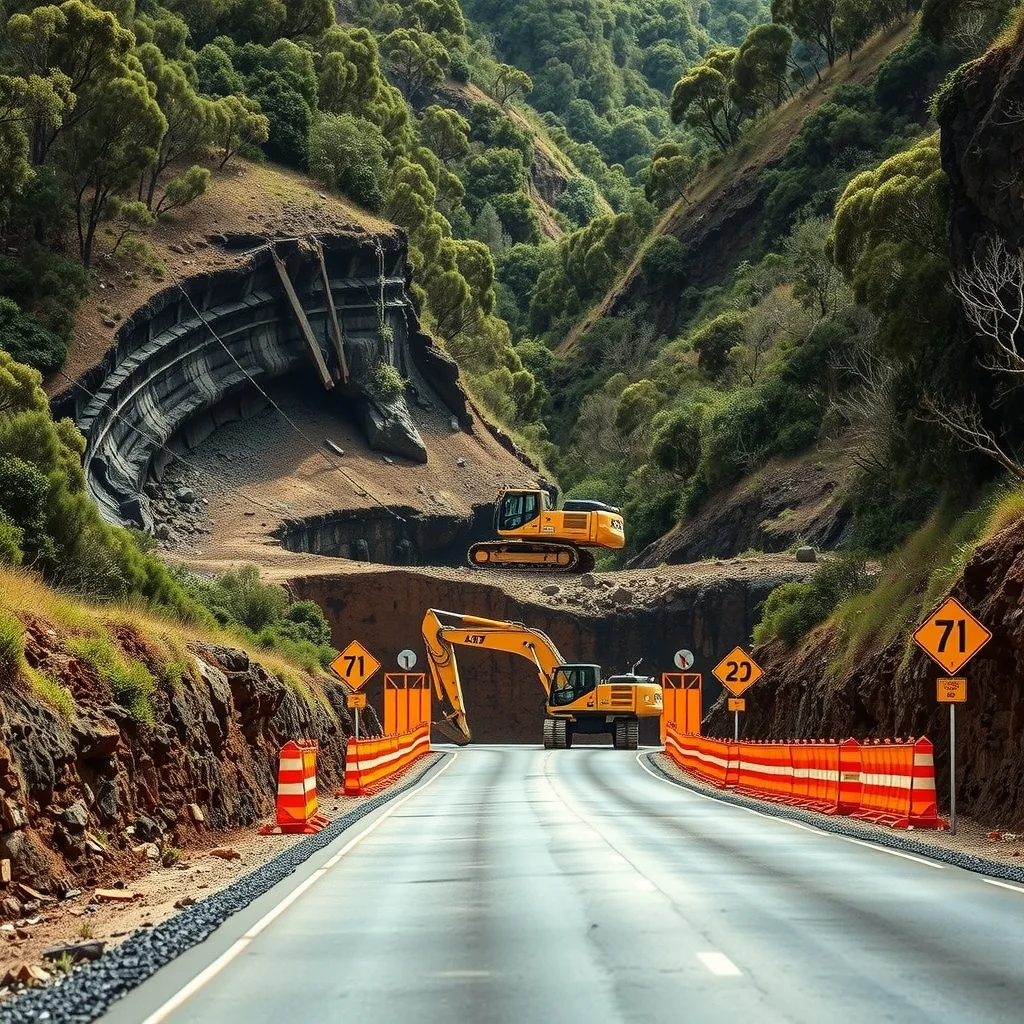
The road that links the Northern Tablelands to the Mid North Coast has been chewed up by landslips and successive natural disasters, starting with the 2019 bushfires and followed by flooding in 2020 and again in 2022.
NSW Minister for Roads Jenny Aitchison said the corridor had taken extensive damage.
“The scale of damage to the Kempsey-Armidale Road corridor was massive,” Aitchison said.
“The awarding of this contract to deliver the largest road reconstruction project ever delivered in NSW is welcome news and a significant milestone for the region.”
NSW Minister for Recovery and the North Coast Janelle Saffin framed it as a test of how well governments put regional links back together after a disaster.
“As the largest road reconstruction project ever delivered in New South Wales following a disaster, this landmark $319 million investment reflects just how vital state and federal support is for restoring key regional transport links,” Saffin said.
For Armidale Regional Council, it’s the biggest thing on its books. Mayor Sam Coupland said the council was ready to get moving with the contractor.
“We look forward to working with Bielby to deliver this major project and restore a critical connection for our region,” Coupland said.
Design isn’t finished, and that matters for the program
The contractor is on board, but the drawings aren’t done. NSW Reconstruction Authority Executive Director Reconstruction Graham Kennett said the appointment lets the design work move forward.
“The appointment of the contractor is a major milestone, allowing us to progress detailed design and prepare for construction of the largest section of the road,” Kennett said.
Kennett also flagged what everyone who has worked a mountain road already knows: this is complex engineering across difficult terrain. Landslip country doesn’t give you a flat bench to work off, and the design of a slope repair usually can’t be finalised until the geotech comes back from the actual failure.
What the timeline means for your order book
Read the dates carefully before you start pricing anything. Site mobilisation and early works are scheduled for the coming months. Major construction isn’t expected to start until 2027, and the job runs to late 2029.
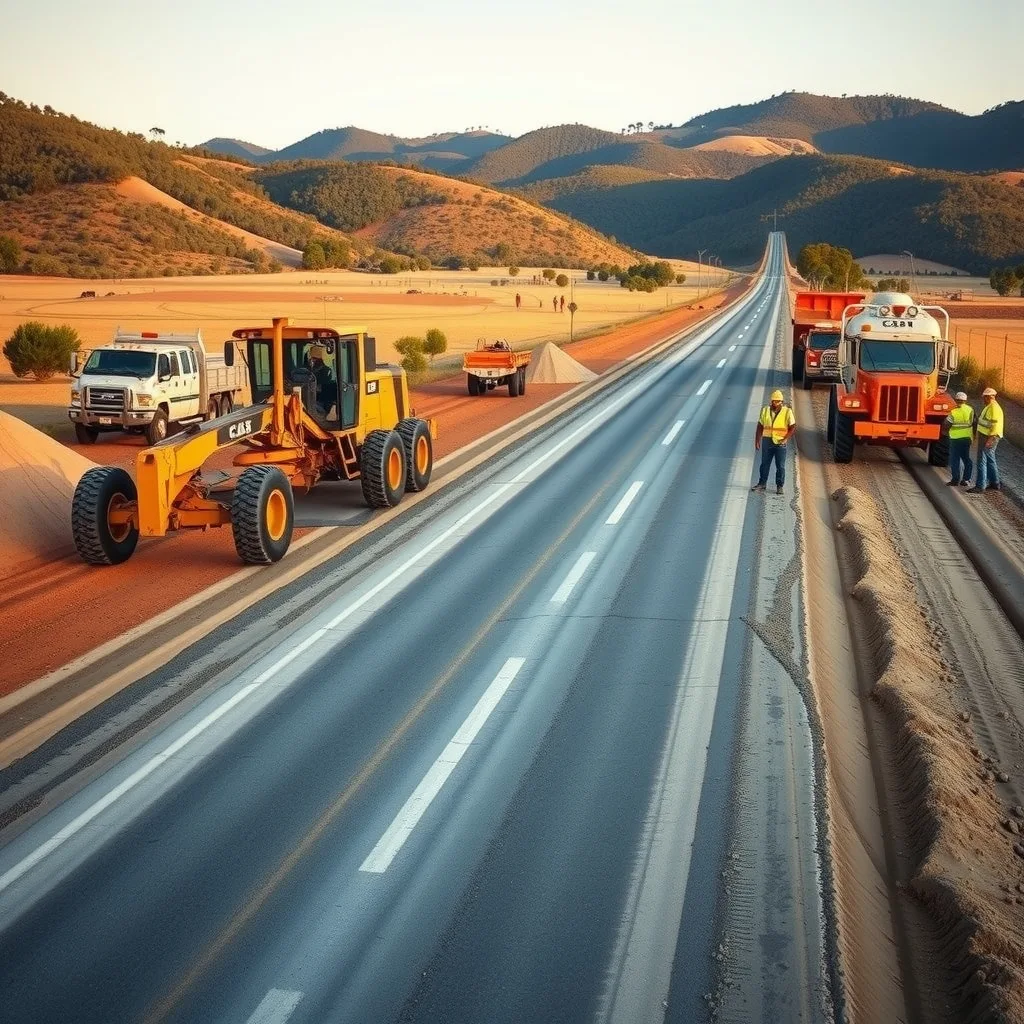
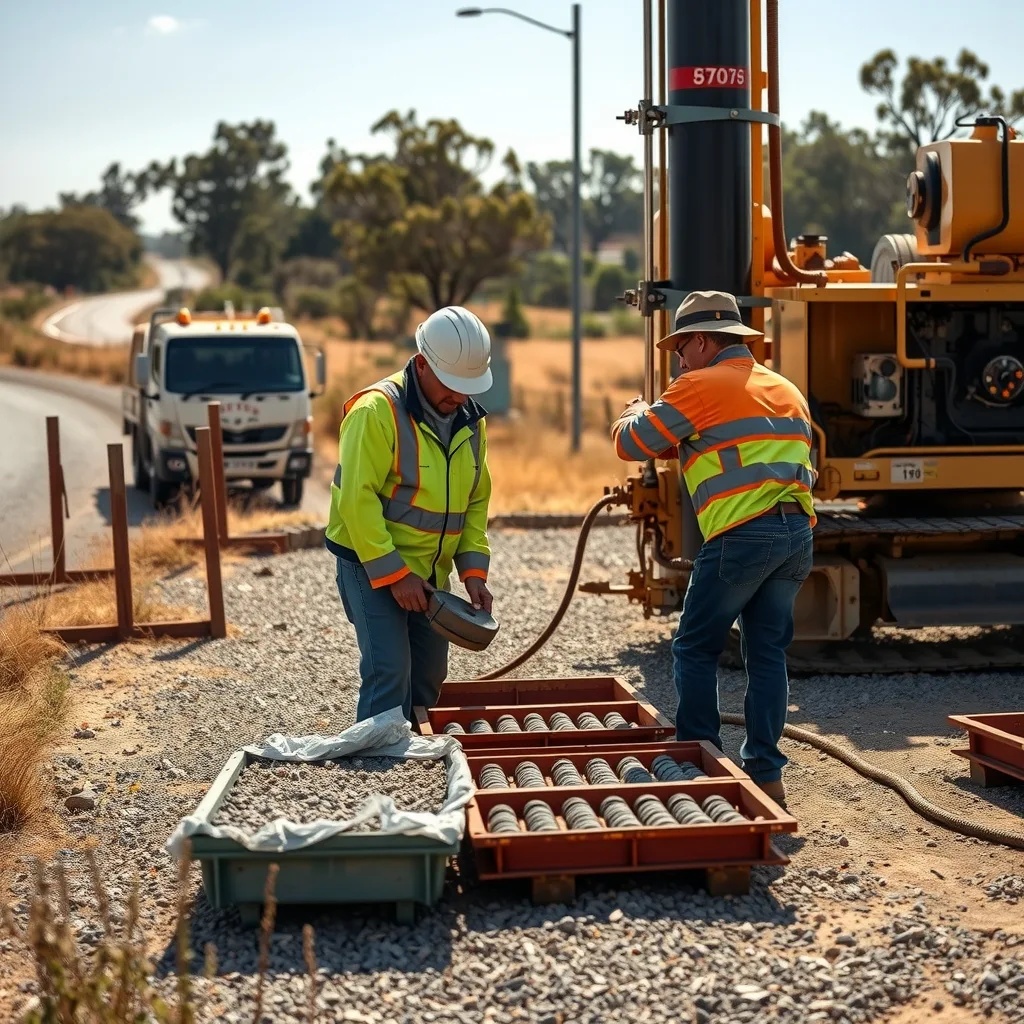
That’s a three-year window, not a next-quarter one. If you’re a civil sub, a plant hirer or a small crew in Armidale, Kempsey or the Macleay, the near-term work is the early stuff: access, survey, geotechnical investigation, clearing and site establishment. The volume work, the earthworks, drainage and pavement, sits on the other side of detailed design.
A contract of this size on a regional council’s books also changes the local labour market for the back half of the decade. Peak construction on the Kempsey-Armidale Road rebuild is expected to support more than 220 local jobs, Armidale Regional Council says. In a region where the usual civil job is a council resheet or a farm access track, 220 bodies at peak is enough to pull operators, truck drivers and formwork hands off other work and tighten what’s left.
It also changes the apprenticeship maths. A three-year program with a defined end date is the kind of certainty that lets a small civil outfit put on a first-year and know there’s still a job for them in the third year. Short jobs don’t do that.
What to watch
The two things worth tracking are the subcontract packages and the resilience standard. The Reconstruction Authority said it would keep working with the council and Bielby Holdings to support delivery and make sure the rebuilt road can better withstand future natural hazards, which points to slope stabilisation and drainage capacity being designed for the next flood rather than the last one. How that gets specified will shape which trades and which plant get called up from 2027.
For anyone chasing a slice of it, the window to get on a prequalification list or introduce yourself to the head contractor’s procurement team is now, while early works are being mobilised, not in 2027 when the packages are already let.
Frequently asked questions
Who won the Kempsey-Armidale Road contract?
Bielby Holdings was awarded the $319 million contract by Armidale Regional Council after a competitive procurement process.
When will construction start on the Kempsey-Armidale Road rebuild?
Site mobilisation and early works, including access, survey and geotechnical investigation, begin in the coming months. Major construction isn’t expected to start until 2027, with the job running to late 2029.
How many jobs will the project create?
Peak construction on the rebuild is expected to support more than 220 local jobs, according to Armidale Regional Council.
Why does the road need rebuilding?
The corridor between the Northern Tablelands and the Mid North Coast was damaged by landslips and successive disasters, starting with the 2019 bushfires and followed by flooding in 2020 and 2022.
Sourced from Infrastructure Magazine. Original article.