
Australia’s engineered bamboo industry could be worth $847 million a year by 2035, add about $906 million to GDP and support around 1,840 jobs, according to Deloitte Access Economics modelling released this week alongside the Bamboo Society of Australia’s Bamboo Breakthrough roadmap. The catch, the roadmap’s own authors say, is that almost none of the supply chain exists yet: no plantations at scale, no processing mills, and no recognised local standard a certifier can point to.
The case was set out in Sourceable by one of the roadmap’s co-authors, Mansfield Advisory founder and director Jeremy Mansfield OAM, who spent more than a decade working on mass engineered timber buildings before turning to bamboo. His pitch is that the material is already a construction product overseas, and that the slow part isn’t growing it. It’s getting it specified, certified and accepted on site.
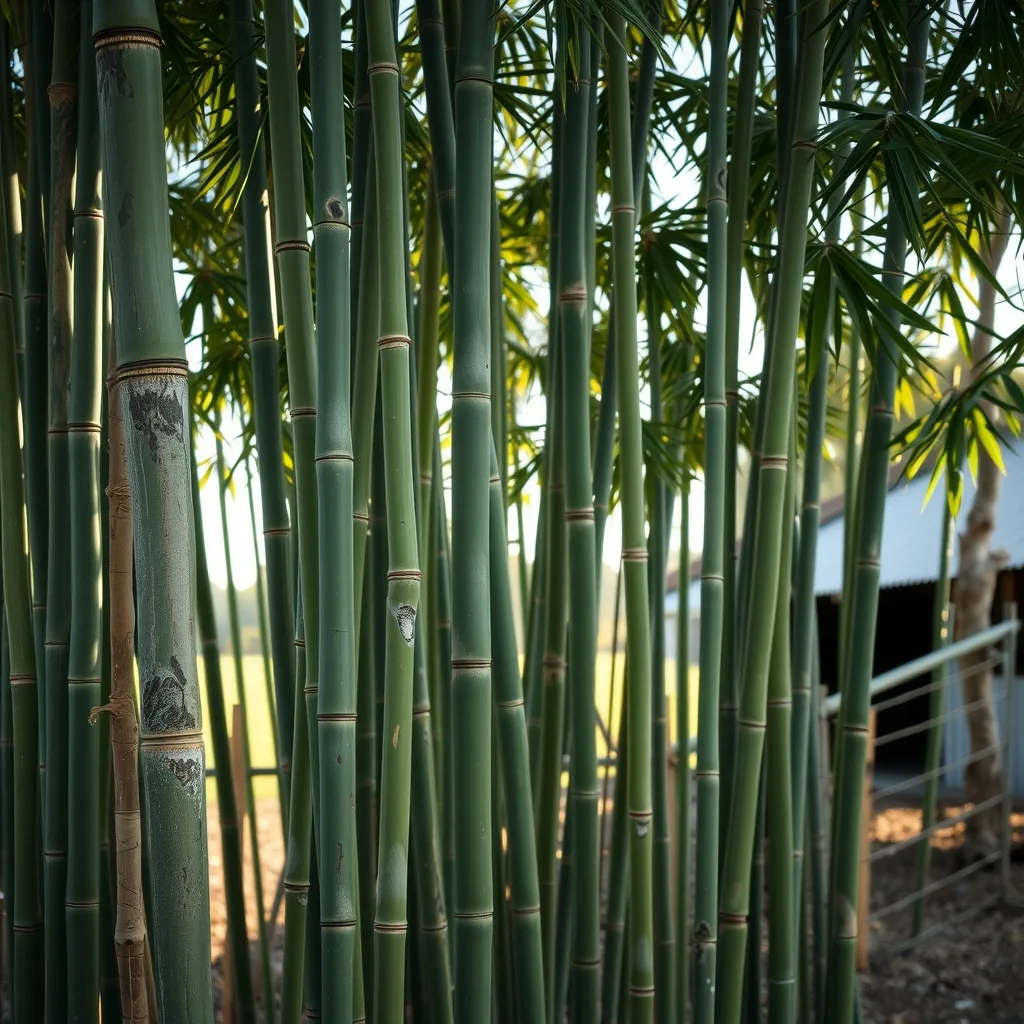
“Not many people have realised we have moved on from tiki-bar bamboo poles,” the article opens. Engineered bamboo, Mansfield writes, is “close enough to hardwood in performance, and fast enough to matter this decade”.
What the Deloitte numbers actually say
Read the modelling for what it is. Deloitte ran a high-growth scenario, not a forecast, and the whole thing assumes plantations, processing, certification and demand all move together.
Under that scenario, producing 250,000 cubic metres a year would supply the material equivalent of roughly 16,600 homes, with about 430,000 tonnes of CO2e avoided in 2035 through substituting bamboo for other materials.
For anyone on the tools doing the sums, that’s the number to hang onto: 250,000 cubic metres, about 16,600 homes’ worth of material, from a crop that can be harvested annually once mature rather than on a 25 to 30 year rotation. That annual harvest cycle is the entire argument. It’s also the reason the roadmap frames this as a next-10-years play instead of a 2050 promise.
None of it lands in your order book next year. A high-growth 2035 scenario is not a job you can quote on, and nobody should be buying a second ute on the strength of it.
”Markets move when specifiers and certifiers can say yes”
What matters most on site is the least glamorous part of this. Standards Australia’s Bamboo Preliminary Research Report, released with the roadmap, says Australia lacks recognised local bamboo standards, has limited National Construction Code pathways, and has had little formal engagement with the International Organization for Standardization or the International Bamboo and Rattan Organization. Australia is not a member of INBAR.
That gap is the difference between a product a certifier can sign off against a known benchmark and one that has to have its case built from scratch, job by job, with testing and evidence attached. Builders who have tried to get an unfamiliar structural product across the line know exactly how that goes, and how long it adds to a program.
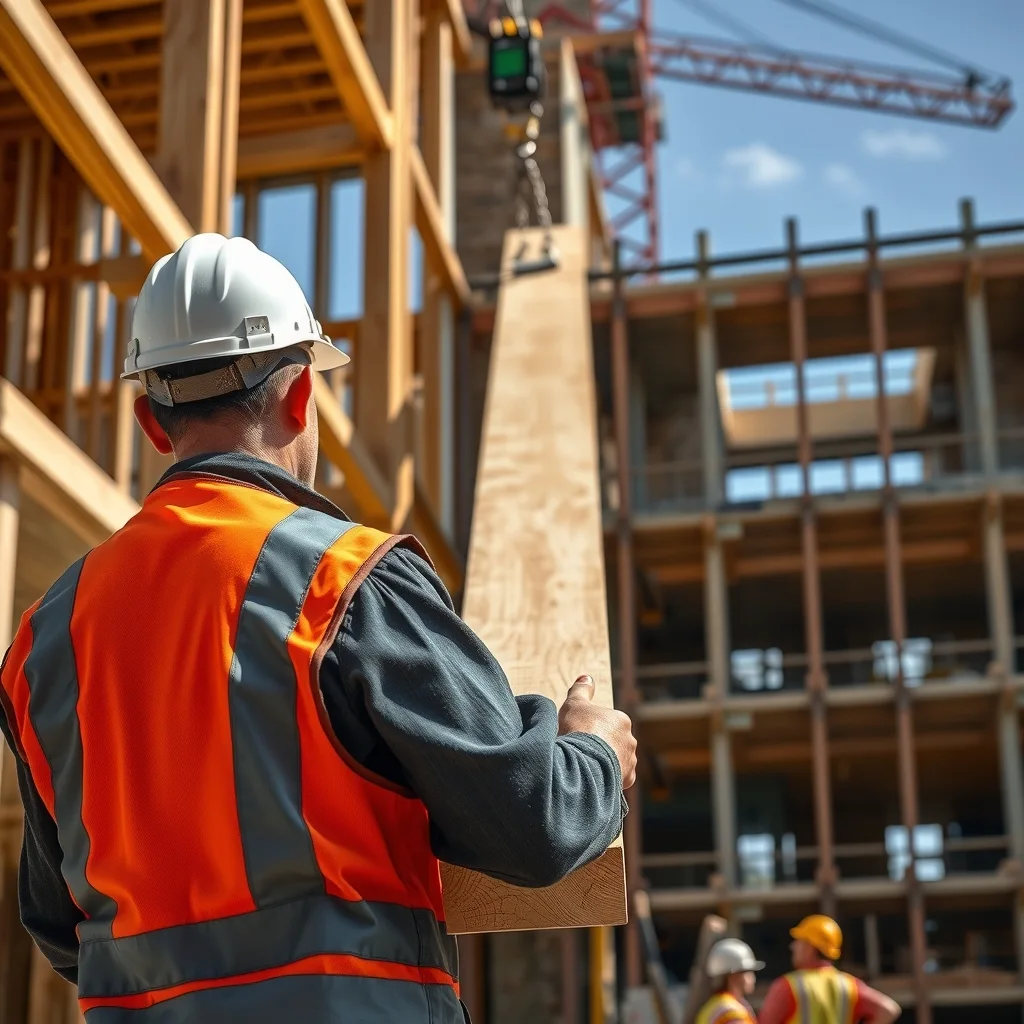
Neil Savery, former chief executive of the Australian Building Codes Board and representing the International Code Council Evaluation Service, put it this way: “We already know how to turn bamboo into a high-performance building product. Other countries have been doing so for years, achieved through establishing trust anchors that provide building practitioners with confidence as to the performance of the material; demonstrating compliance with relevant Code requirements; and enabling transparency, verifiability and traceability of product claims.”
Standards Australia’s report points to ISO Technical Committee 165, Timber structures, as the group that already holds the structural bamboo work, and says joining INBAR would open access to global expertise and a clearer view of the market. China, India, Indonesia, Ethiopia and Colombia all made the same shift, the report says, through coordinated government action, adoption of international standards and real market demand.
Mansfield’s line on it is blunt: “Markets move when specifiers and certifiers can say yes.” Details of how the National Construction Code handles new products sit with the ABCB.
The timber lesson, applied early
The mass engineered timber rollout is the closest comparison, and it’s the reason the roadmap exists in its current shape. Everyone could see cross-laminated and glue-laminated products performed before the local design pathways caught up, and the certification work ended up being the long pole in the tent.
Mansfield argues the bamboo industry has one chance to do that sequencing in the right order: map the testing, certification, CodeMark and NCC gaps while the crop and the mills are still being built, rather than after.
He’s equally blunt about the physical side. “A crop without a mill is a brochure. A mill without a crop is a stranded asset.”
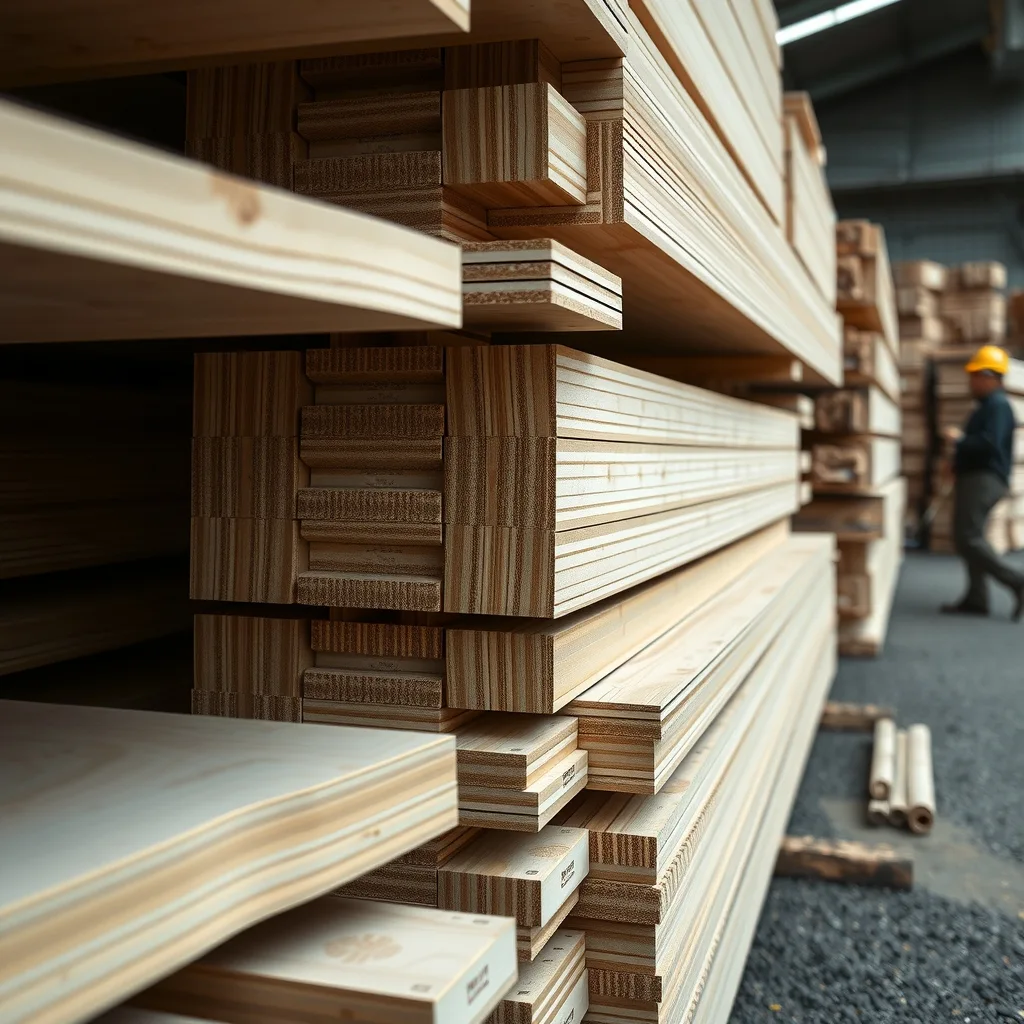
“A crop without a mill is a brochure. A mill without a crop is a stranded asset.”
This isn’t a swipe at timber, the article is careful to note. Bamboo is pitched as a complement, particularly where stronger structural grades are wanted and where domestic supply is under pressure from imports.
What happens next
Jennifer Snyders, president of the Bamboo Society of Australia, framed the next step as the hard one: “We have the economic case, a pathway to the standards we need and a roadmap for industry. Now we need to turn this bamboo breakthrough into an Australian industry.”
The roadmap’s third ask is the one carpenters and builders will feel first: demonstration buildings, with willing clients, designers and builders, in the next two years. That’s where an unfamiliar structural product either earns trust or doesn’t, and it’s the point where someone has to be the first crew to frame with it.
Worth noting who’s making the case. The Sourceable piece is a first-person argument by a co-author of the roadmap being launched, and the economic figures come from modelling commissioned for that launch. The roadmap is available at bamboobreakthrough.org.au.
Three things to watch: whether Australia joins INBAR, whether any local standards work formally kicks off through the ISO timber structures committee, and whether a single demonstration building gets funded. Until at least one of those moves, engineered bamboo stays a material you read about rather than one that turns up on a delivery docket.
Frequently asked questions
What is engineered bamboo worth by 2035, according to the new roadmap?
Deloitte Access Economics modelling estimates the industry could be worth $847 million a year by 2035, add $906 million to GDP and support about 1,840 jobs, under a high-growth scenario tied to the Bamboo Breakthrough roadmap.
Why isn’t engineered bamboo already used in Australian construction?
There’s no recognised local standard, limited National Construction Code pathways, and almost none of the supply chain, plantations, mills or certification, exists yet, according to Standards Australia’s Bamboo Preliminary Research Report.
Is Australia part of the International Bamboo and Rattan Organization?
No. Australia is not a member of INBAR. The report says joining would open access to global expertise used in countries such as China, India, Indonesia, Ethiopia and Colombia.
When could the first demonstration bamboo buildings be built?
The roadmap calls for demonstration buildings, with willing clients, designers and builders, within the next two years.
Sourced from Sourceable, Deloitte Access Economics, Standards Australia, Bamboo Society of Australia. Original article.