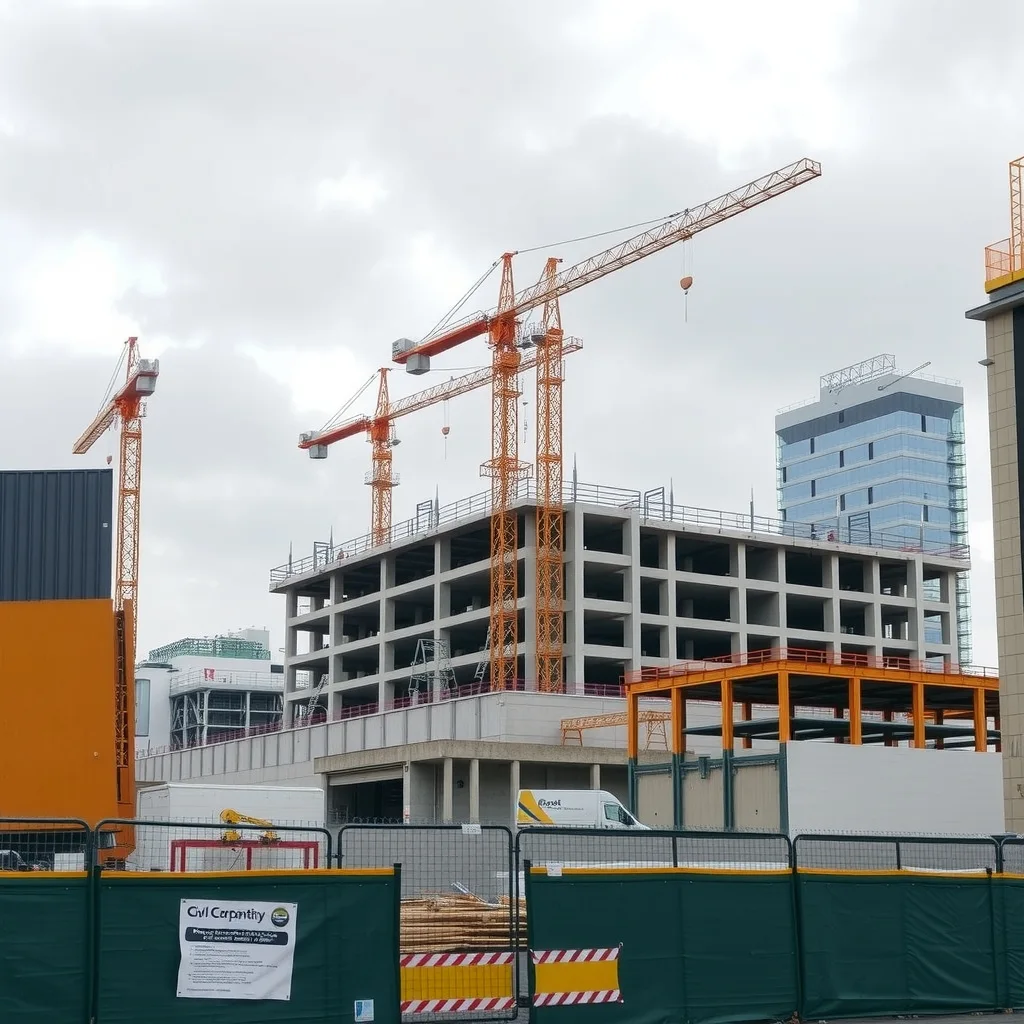

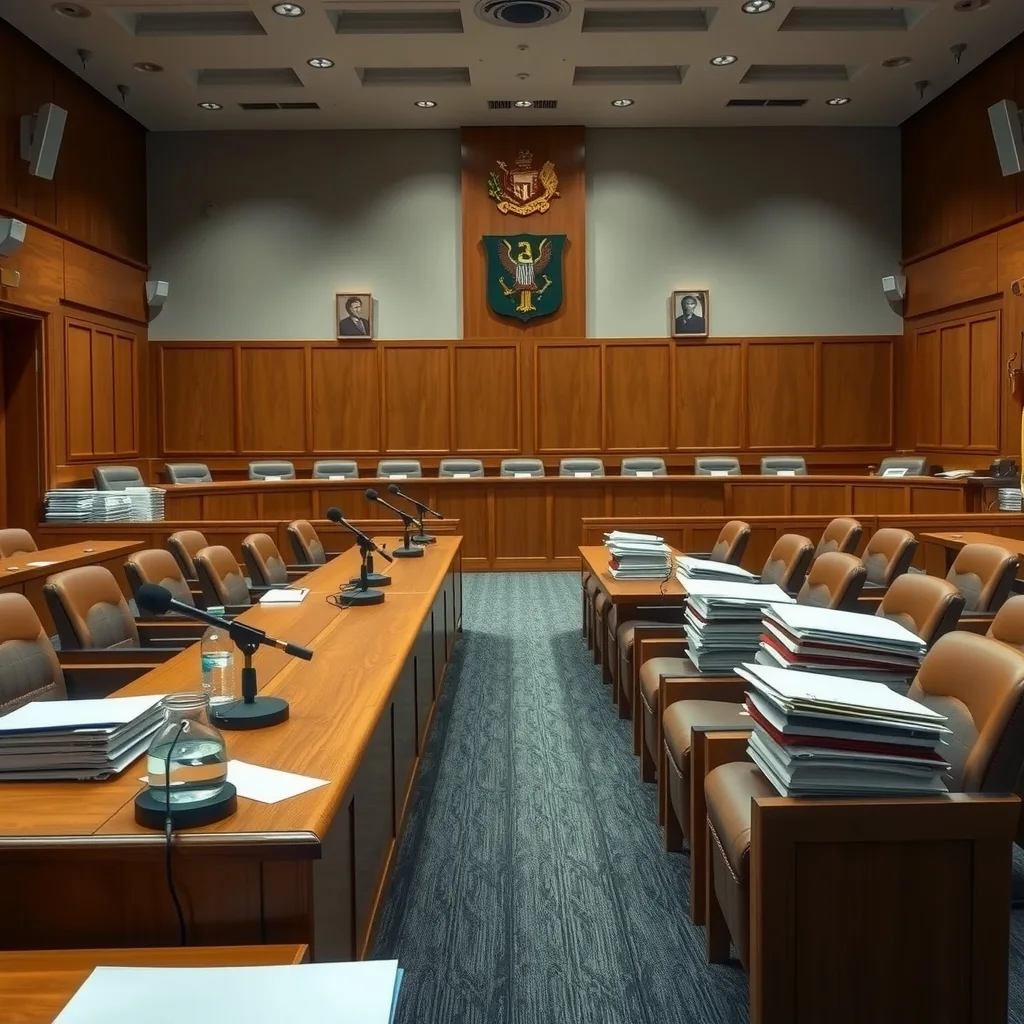
Victoria’s royal commission into corruption in the construction sector has opened its first public hearing at the Melbourne Magistrates’ Court, with former South Australian Supreme Court chief justice Christopher Kourakis running a $50 million inquiry that is due to report to the state government by August next year.
The ABC reported that the opening hearing is expected to deal with the inquiry’s terms of reference and its next steps, with witnesses to be called at later hearings.
Premier Ben Carroll called the commission in his first act as premier in July, promising an exhaustive inquiry into the corruption allegations “as soon as possible”. He released the terms of reference in August.
“The terms of reference are broad. They are expansive. Nothing is off limits,” Mr Carroll said at the time.
What the commission is actually looking at
Three things, according to the terms released through the Victorian Government: the extent of corruption on major infrastructure projects, how well government bodies have overseen that work, and the actions contractors took to mitigate risks.
That third limb is the one to read twice if you hold a head contract or a subbie package on state work. It puts company conduct in the frame alongside union conduct, rather than making this a single-target exercise.
Mr Kourakis, who was appointed to run the inquiry, said in August the commission would be examining issues “very important to all Victorians”.
“I am deeply conscious of the responsibility with which I have been entrusted,” he said in a statement released through the Department of Premier and Cabinet.
“The royal commission will undertake its work independently and rigorously. We will follow the evidence and ensure our processes are fair, thorough and transparent."
"Anyone and everyone can be called”
The political fight started well before the first gavel. The Victorian opposition has repeatedly attacked the terms of reference, arguing they let former premiers Daniel Andrews and Jacinta Allan avoid being hauled before the commission.
Mr Carroll, who committed to the inquiry after toppling Ms Allan as premier, has rejected that reading and confirmed ministers and former premiers are fair game.
“Anyone and everyone can be called. These are the most comprehensive, broadest terms possible,” he said in August.
“We’re going to make sure that we leave no stone unturned.”
Ms Allan had long refused to call an inquiry despite internal pressure, the ABC reported.
The $15 billion number behind it all
The royal commission follows an explosive report into the CFMEU released by the Queensland Commission of Inquiry in February. Its author, Geoffrey Watson SC, alleged the Victorian branch of the union had descended into a “violent, hateful and greedy rabble” under its former leadership.
Mr Watson estimated the actions of the CFMEU had cost Victorian taxpayers around $15 billion, a figure Ms Allan strongly disputed at the time.
He has since backed the Victorian terms of reference and brushed off the opposition’s criticism.
“I think they’re very well designed, quite targeted, and sufficiently specific,” Mr Watson said.
“I think it’s a mistake for people to go out and start undermining confidence in the commission before it starts.”
What it means on the tools
Nothing changes on a Victorian site because a commissioner sat down in a courtroom this week. Witnesses aren’t due until later hearings, the report isn’t due until August next year, and any legislation or regulator shake-up comes after that. This is a two-season story, not a next-quarter one.
What’s worth tracking in the meantime is who gets the call-up. Because the terms cover contractors’ own risk mitigation, the evidence trail runs through the paperwork of the businesses doing the work: how labour was engaged, what was agreed on site, and what got escalated to the client. Subbies several tiers down a major infrastructure job can end up inside that record without ever having been near a decision.
The two numbers to hold onto are the ones already on the table. Victoria has given the inquiry a $50 million budget, against a contested estimate of $15 billion in taxpayer cost from a separate inquiry report published in February. One of those figures is a line item. The other is the reason the line item exists.
For carpenters, formworkers and everyone else who has spent the past two years reading headlines about their own industry, the practical test is narrower than the politics: whether the hearings get past head office and into how work is actually let, priced and supervised on major projects. That’s the part that shows up in an order book.
Next up is the witness list.
Frequently asked questions
What is the Victorian construction royal commission investigating?
It’s examining corruption on major infrastructure projects, how well government bodies oversaw that work, and the actions contractors took to mitigate risks, according to its terms of reference.
When will the commission report back?
It’s due to report to the Victorian government by August next year.
Who is running the inquiry?
Former South Australian Supreme Court chief justice Christopher Kourakis was appointed to head the $50 million commission.
Does the inquiry only target the CFMEU?
No. Its terms put company conduct in the frame alongside union conduct, covering both contractor risk mitigation and government oversight, not just the union.
Sourced from ABC News. Original article.