
The NSW Government has finalised the Sydney Plan, a 20-year blueprint aiming to deliver 800,000 new homes across the Sydney metropolitan region and around 950,000 extra jobs by 2046. The city will be reorganised into a network of 30 interconnected centres anchored by three CBDs at Sydney, Parramatta and Bradfield.
The plan was reported by Sourceable, which notes it has been released alongside the NSW State Land Use Plan covering regional New South Wales. Both sit with the state planning department at planning.nsw.gov.au.
It lands after a long gap. Sydney’s last metropolitan strategy was published in 2018, and long-term planning has been in limbo since the Greater Cities Commission, formerly the Greater Sydney Commission, was abolished in 2024.
The numbers behind it are demographic. Greater Sydney’s population is expected to climb from 5.3 million in 2026 to 6.6 million in 2046. Spread evenly, 800,000 homes over twenty years works out at an average of roughly 40,000 dwellings a year, every year, for two decades.
NSW Minister for Planning and Public Space Paul Scully said the plan ends a piecemeal approach.
“For too long, Sydney’s growth was left to chance, with housing, jobs and infrastructure planned in silos and communities left to pick up the pieces,” Scully said. “The new Sydney Plan changes that.”
Homes in the east, jobs in the west
There’s a geographic split running through the plan that anyone chasing work in Sydney already feels in their driving time.
Under the current five-year housing targets set under the National Housing Accord, just under half of Sydney’s new homes are planned for Eastern Sydney local government areas. Less than a quarter are planned for LGAs in the western suburbs.
Jobs run the other way. Western Sydney is tipped to account for 59 per cent of all new jobs created across Greater Sydney between now and 2046, taking the region’s employment from 475,000 in 2026 to around 755,000 in 2046. The plan credits the pull of Western Sydney International Airport, the future Mamre Road Intermodal Terminal and other industrial opportunities.
Spatially, the plan says it wants to rebalance that by pushing new homes into areas close to transport, infrastructure and employment, with local centres carrying mixed-use development and daytime and nighttime economies.
”We have been waiting for this new plan”
Development industry lobby group Urban Taskforce Australia backed the final version, and its chief executive Tom Forrest pointed to several changes from the draft released last December.
Those include scrapping the Metropolitan Rural Areas planning maps, replacing the “retain and manage” industrial lands policy with a graduated system of State Significant, Regionally Significant and Locally Significant industrial land, and a more flexible centres policy that allows housing and mixed-use development inside employment zones. Under the new tiers, applications to change zoning will be allowed in Locally Significant industrial areas.
Forrest said the wait had been long enough.
“Since the abolition of the Greater Cities Commission, we have been waiting for this new plan,” Forrest said, noting the 2018 plan had been overtaken by bushfires, floods, COVID, labour supply shortages, construction inflation and a full cycle of interest rate moves.
“The new focus on feasibility represents a paradigm shift for Sydney’s planners. Let’s hope they are up to the challenge.”
The capacity question nobody has answered
A blueprint is only as good as the crews available to build it, and the Sydney market is already stretched.
Drew McPherson, co-founder of online construction marketplace and plant hire network iseekplant, said his platform recorded a 46 per cent increase in the number of projects registered across New South Wales over the past financial year, with activity strongest in Western Sydney off the back of the region’s infrastructure program.
The hot spots he named are Blacktown, Baulkham Hills and Hawkesbury, and the demand is concentrated in site preparation, roadworks and bulk haulage.
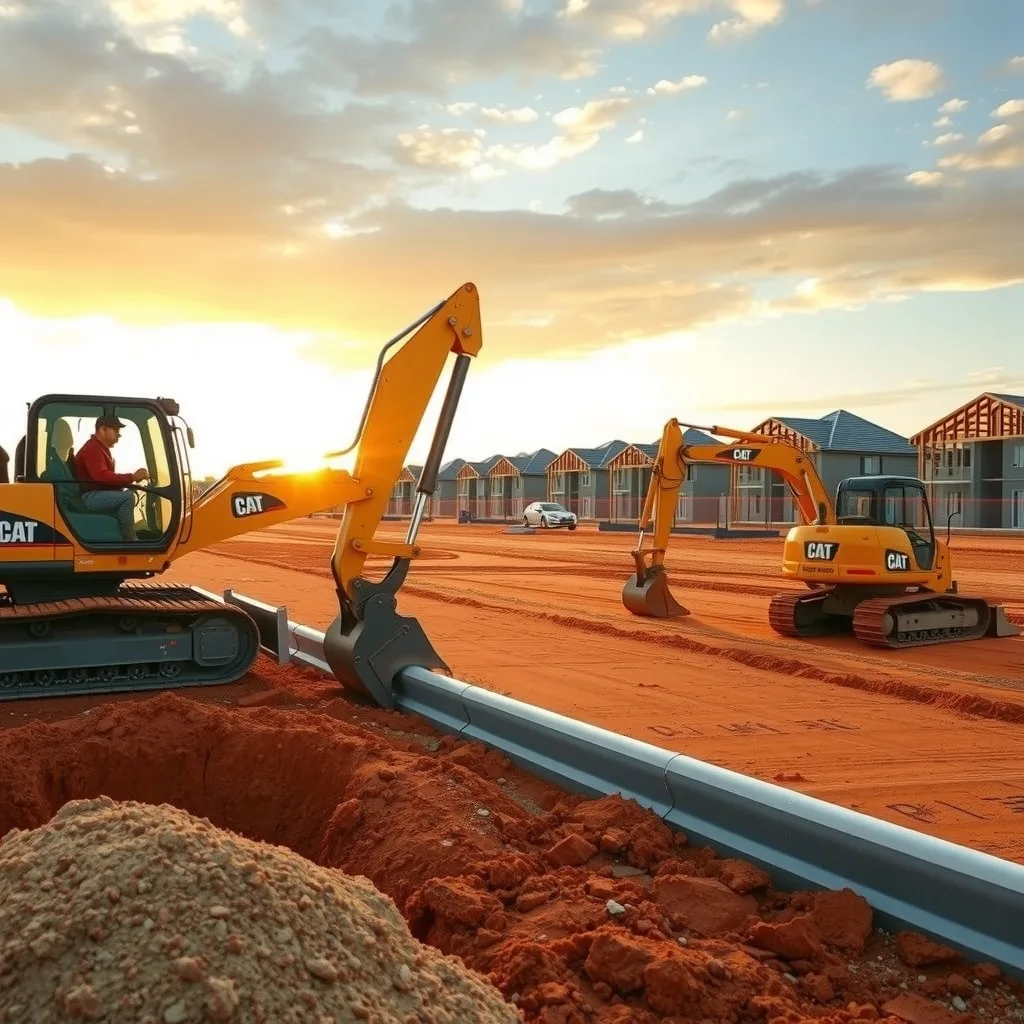
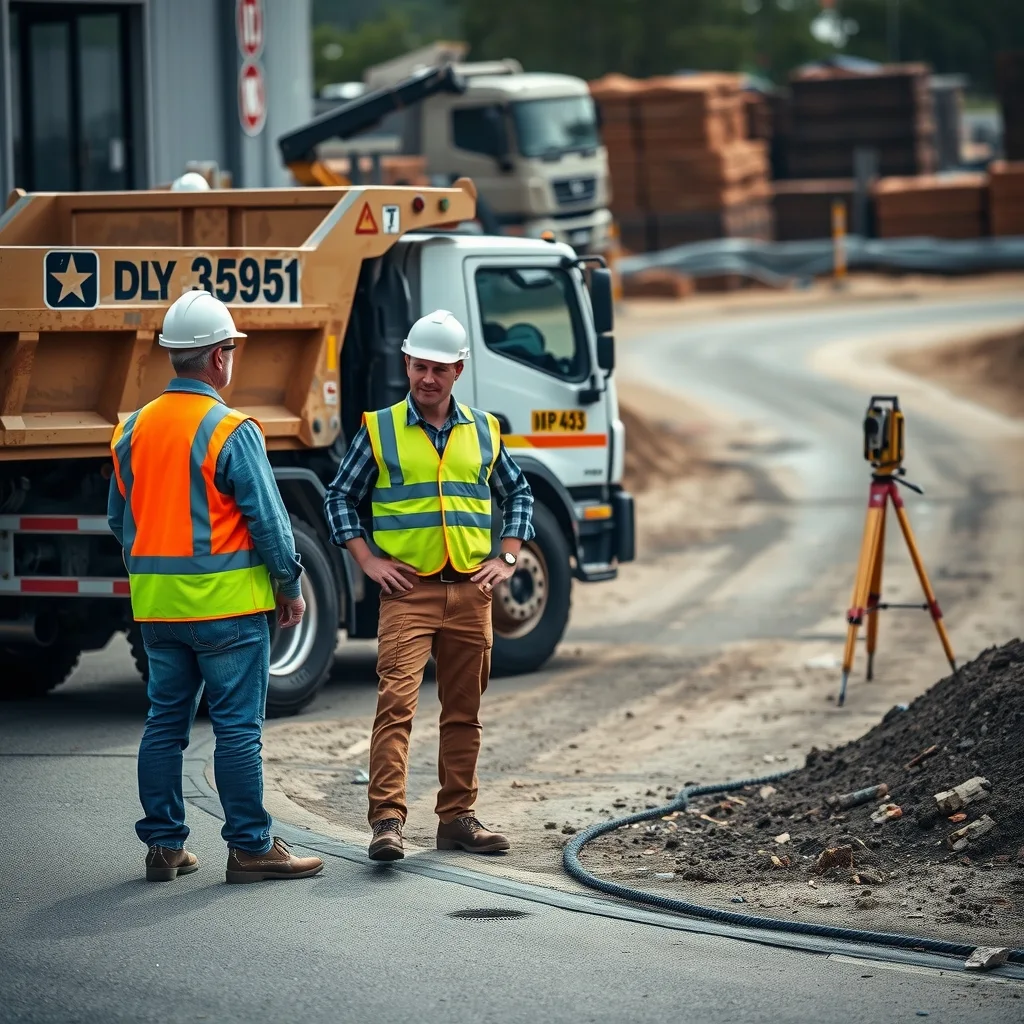
That mix tells you where the work sits in the sequence. Before a single frame goes up on a greenfield release, someone has to strip topsoil, cut and fill the pads, run the roads and cart the spoil away. Excavator and dozer operators, tipper drivers and civil crews are the front of the queue, and the residential trades follow them by months, not weeks.
“The Sydney Plan provides the industry with a much clearer picture of where NSW expects housing, jobs and infrastructure investment to occur over the next 20 years…” McPherson said.
”… The challenge now is ensuring the construction industry has the contractor, equipment and workforce capacity to deliver it.”
“The Sydney Plan provides the industry with a much clearer picture of where NSW expects housing, jobs and infrastructure investment to occur over the next 20 years… The challenge now is ensuring the construction industry has the contractor, equipment and workforce capacity to deliver it.”
Dates that actually matter for your order book
Don’t reprice your 2027 diary off this. The plan is a map, not a work order, and its housing actions run on a slow clock.
The NSW Government will develop a housing supply and diversity monitoring framework by 2028 and work with councils to set the next round of five-year housing targets for each LGA by that date. Those targets only take effect after the National Housing Accord period ends on 30 June 2029.
In the meantime, state and local governments are meant to update local strategic planning statements and local environmental plans to carry 30 years of feasible capacity, and councils are to adopt an affordable housing scheme and review surplus land that could be used for affordable housing.
The piece worth watching for anyone quoting work is the industrial land reclassification. Once councils know which sheds sit on Locally Significant land, rezoning applications become live, and that’s where mixed-use jobs in the middle ring will start appearing on tender lists.
The LGA-by-LGA targets due in 2028 are the ones that turn 800,000 into an address, a lot size and a slab pour.
Frequently asked questions
What is the Sydney Plan?
It’s a 20-year NSW Government blueprint that aims to deliver 800,000 new homes and around 950,000 extra jobs across Greater Sydney by 2046, organised around 30 interconnected centres anchored by three CBDs at Sydney, Parramatta and Bradfield.
When do the new housing targets take effect?
The NSW Government will set the next round of five-year LGA housing targets by 2028, but they only take effect after the current National Housing Accord period ends on 30 June 2029.
Where is construction demand strongest right now?
Plant hire network iseekplant recorded a 46 per cent rise in project registrations across NSW over the past financial year, with the strongest activity in Western Sydney hot spots including Blacktown, Baulkham Hills and Hawkesbury.
Why is Western Sydney getting most of the new jobs?
The plan credits Western Sydney International Airport, the future Mamre Road Intermodal Terminal and other industrial opportunities, and projects the region will account for 59 per cent of all new jobs created across Greater Sydney by 2046.
Sourced from Sourceable. Original article.