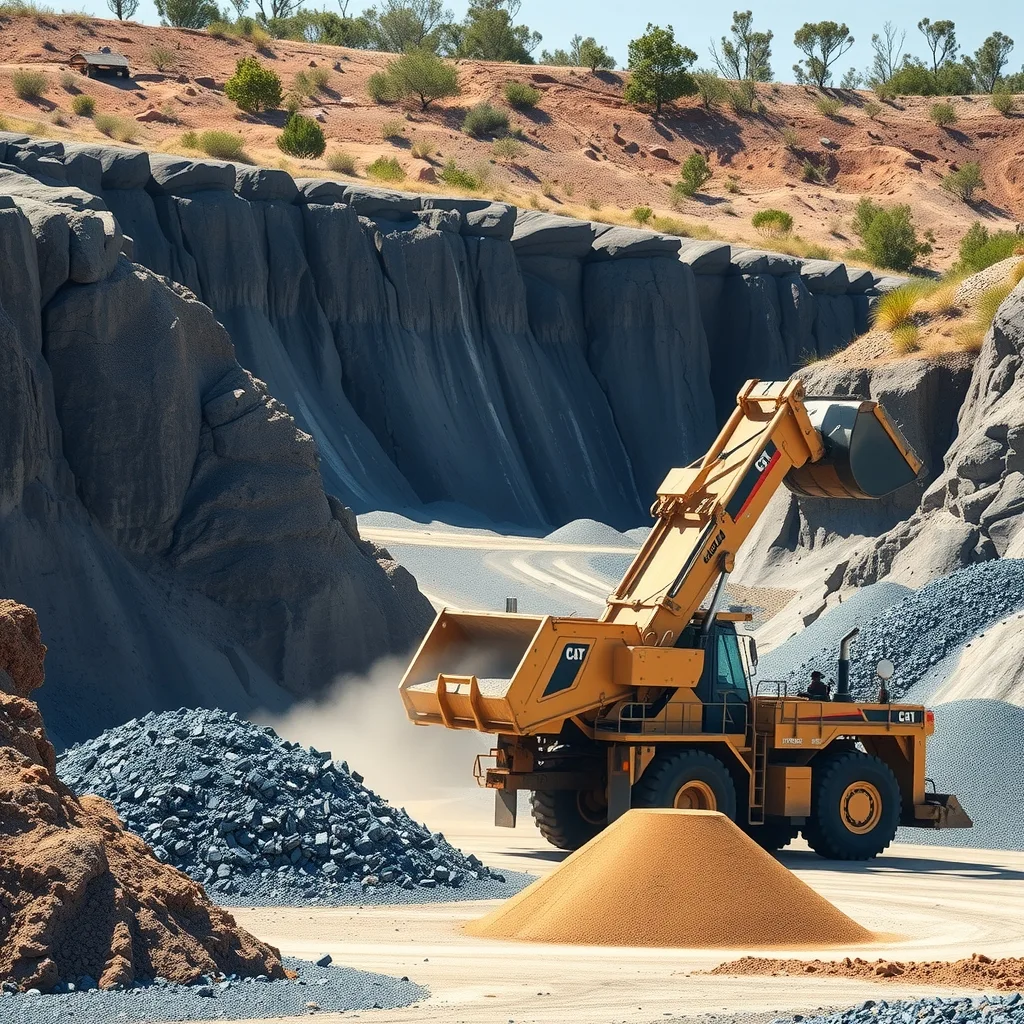

The Queensland Government has set up a Quarry Taskforce to map supply and demand for sand, gravel and hard rock and find the barriers stopping that material reaching major infrastructure and housing jobs. Natural Resources and Mines Minister Dale Last announced it at the Institute of Quarrying Australia’s 2026 National Conference on the Gold Coast in October, and it will pull government agencies together to identify constraints and work out practical fixes.
The announcement was reported by Infrastructure Magazine, which carried the minister’s conference remarks and the industry response.
“Without quarrying, Queensland cannot build the homes that our families need,” Last told the conference.
“We want to identify potential constraints before they become critical,” he said.
A $119.2 billion program sitting on top of a quarry
Queensland’s quarrying sector contributed $3.35 billion to gross state product in 2024-25, produced 50 million tonnes of quarry resources and supported more than 5,100 jobs, Last told the conference.
That sits underneath a state capital program worth $119.2 billion over four years. Brisbane 2032 venues, the Bruce Highway, Cross River Rail, new hospitals and housing estates all run on the same raw material, and they’re all drawing on it at once.
A quarry demand and supply report from the Queensland Government forecasts demand for hard rock and sand climbing from 56.4 million tonnes in 2023-24 to 66.1 million tonnes by 2029-30. The same report points to plenty still in the ground: around two billion tonnes of hard rock and 179 million tonnes of sand projected to remain in 2039-40.
“The task force will allow us to take a coordinated whole of government approach of the quarry supply chain and identify practical actions that can strengthen it,” Last said.
”Queensland has the resources. The challenge is getting them to market”
IQA Chief Executive Officer Jane Schmitt said the report’s findings backed what the sector has been saying, that the problem is access rather than availability.
“Every home, road, school and hospital in Queensland starts with sand, gravel and rock from a quarry. You cannot build without them,” Schmitt said.
“Every home, road, school and hospital in Queensland starts with sand, gravel and rock from a quarry. You cannot build without them,”
“Queensland has the resources. The challenge is getting them to market,” she said, pointing to planning, approvals, transport and coordination across government. “That is exactly what the Taskforce is set up to tackle.”
Schmitt said the IQA would work closely with the taskforce and bring operators into the room.
“Our members plan the resources, run the quarries and move the materials. That practical knowledge is what the Taskforce needs, and we are ready to bring it to the table,” she said.
Why a quarry approval matters to a concreter
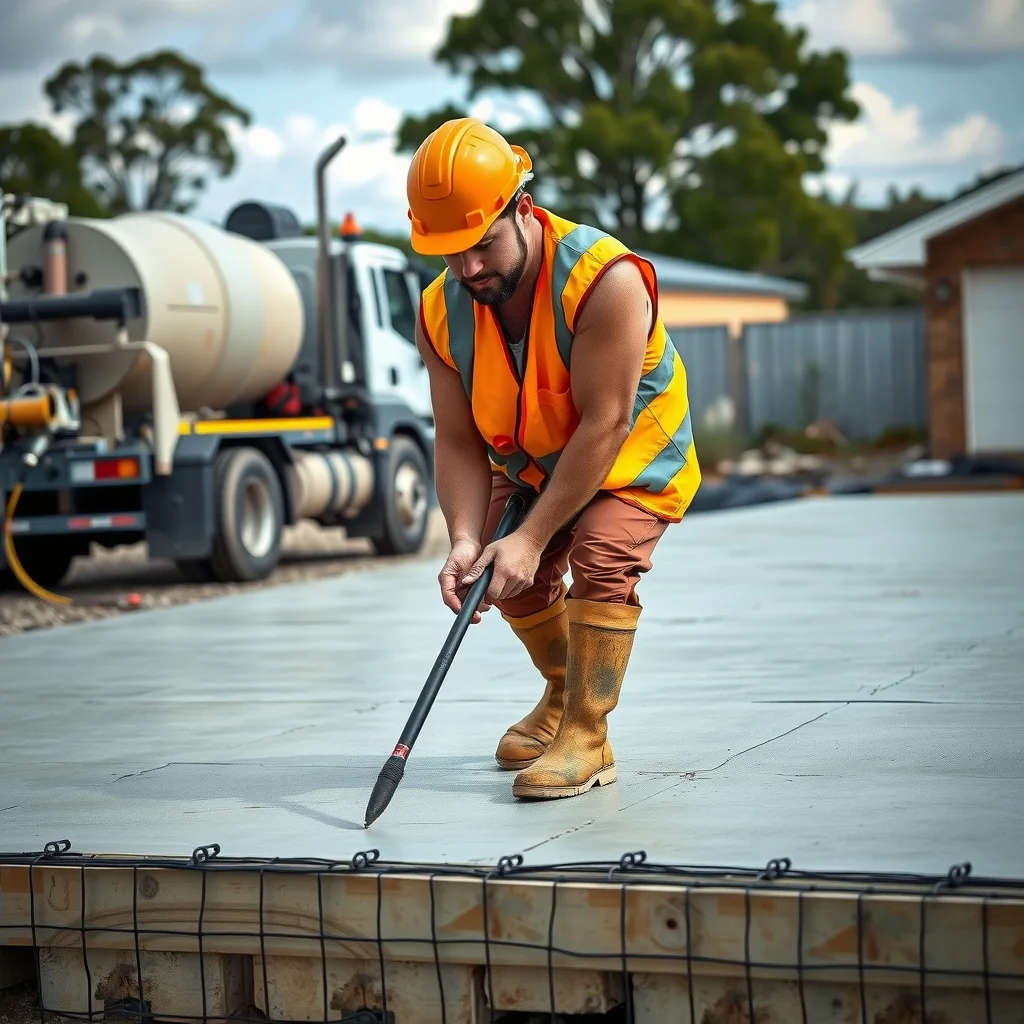
None of this is abstract if you pour, lay or compact for a living. Concrete is mostly quarry product held together with cement. Mortar is sand. Bedding sand under pavers, roadbase under a driveway, drainage gravel in a trench, all of it comes off a face somewhere and arrives on a truck.
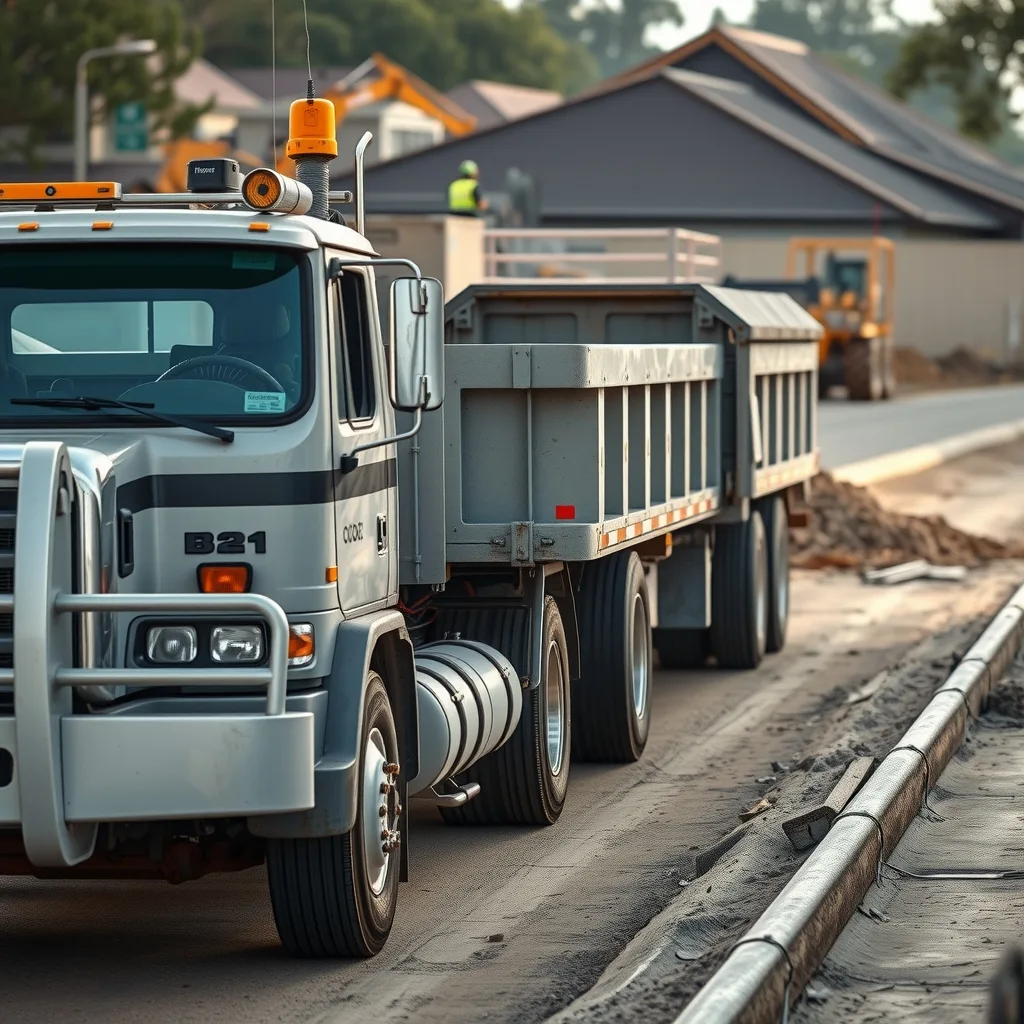
The cost that moves is cartage. Aggregate is heavy and cheap by the tonne, so the further the quarry sits from the pour, the bigger the freight share of the delivered price. When a growth front runs out past the quarries that feed it, the haul gets longer, the truck does fewer runs a day, and the number on the docket climbs without a single thing changing at the quarry gate.
Availability drives the program too. A slab crew with formwork up, mesh laid and a pump booked is dead in the water if the agitator doesn’t turn up, and that’s a day’s labour you still pay for. Multiply that across a civil job running kerb and channel, subbase and asphalt off the same supply chain and you can see why the state wants the constraints flagged early rather than discovered mid-pour.
The other half is the approvals the IQA is pointing at. A quarry is a long-dated asset. Getting a new pit or an extension through planning takes years, which means the material feeding a 2032 pour has to be consented well before anyone turns a sod. That lead time is exactly the kind of thing a taskforce can shorten, or fail to.
What to watch
Schmitt is scheduled to meet the taskforce chair and the executive director of the Department of Natural Resources and Mines, Manufacturing and Regional and Rural Development in early November to talk through how the sector can support the work.
For anyone pricing work in South East Queensland over the next few years, the thing to watch isn’t the taskforce’s existence, it’s whether it produces changes to approvals and haulage that show up in your delivered concrete and roadbase prices. Quote long jobs with your eyes open on material escalation, and keep a second supplier’s number in the phone.
Frequently asked questions
What is Queensland’s Quarry Taskforce?
It’s a state government body announced by Minister Dale Last at the Institute of Quarrying Australia’s 2026 National Conference. It brings government agencies together to map supply and demand for sand, gravel and hard rock and find the barriers stopping that material reaching infrastructure and housing jobs.
How much will demand for quarry material grow in Queensland?
The state’s quarry demand and supply report forecasts demand for hard rock and sand rising from 56.4 million tonnes in 2023-24 to 66.1 million tonnes by 2029-30.
Is Queensland running out of quarry material?
No. The same report projects around two billion tonnes of hard rock and 179 million tonnes of sand will still be in the ground by 2039-40. IQA chief executive Jane Schmitt says the issue is access, not availability.
Why does this matter to concreters and civil crews?
Concrete, mortar, roadbase and bedding sand are all quarry products, so cartage distance and delays in approving new quarry sites feed directly into delivered material prices and how long a job takes to supply.
Sourced from Infrastructure Magazine. Original article.