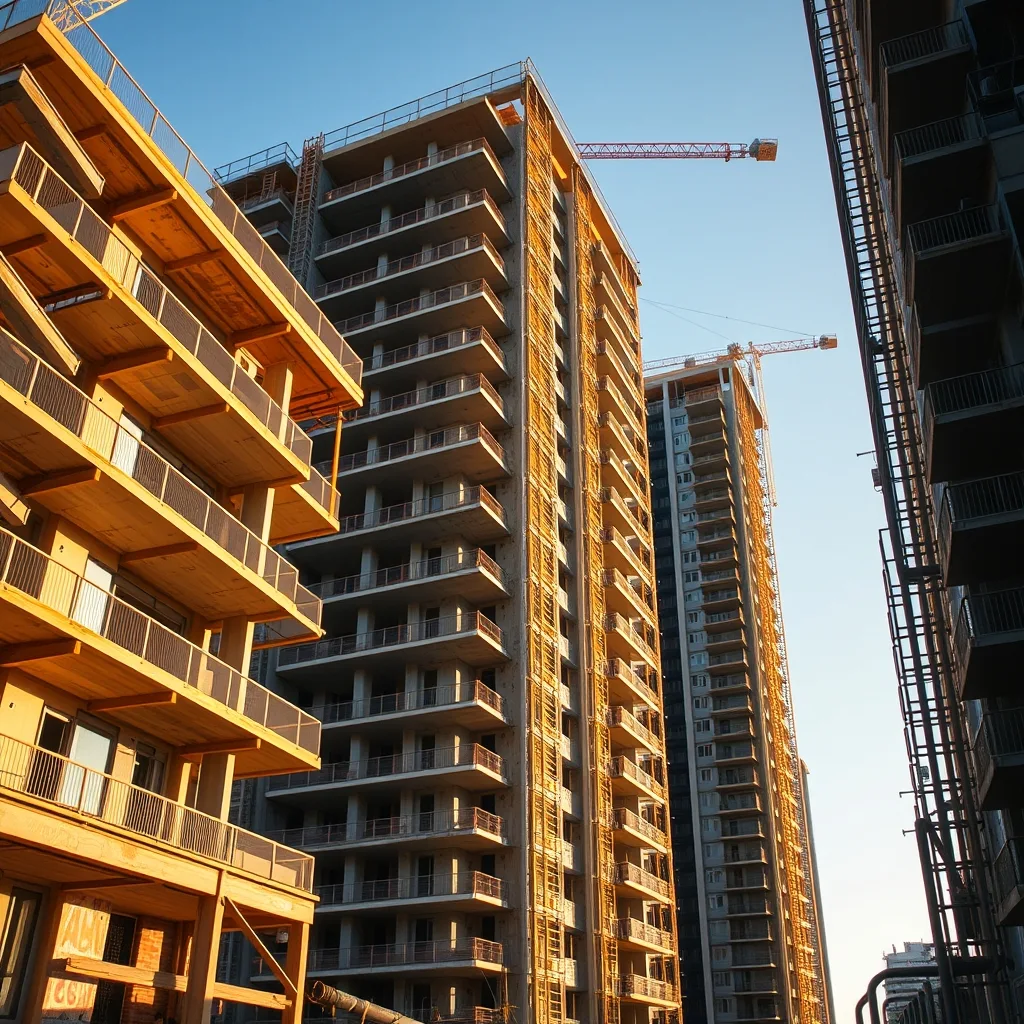

Australian housing starts dropped sharply in the three months to March 2026, pulling back from a late-2025 surge driven by a rush of apartment projects in New South Wales.
The Australian Bureau of Statistics Building Activity report recorded a seasonally adjusted 11.2 per cent fall in dwelling commencements in the March quarter, according to Sourceable. That reverses an 8.2 per cent jump in the December quarter, when a wave of large-scale multi-unit projects broke ground in NSW.
Multi-unit commencements, which include townhouses and apartments, led the decline with a 20.2 per cent fall. Detached house starts also softened, dropping 3.5 per cent. NSW recorded the steepest state-level decline, while Queensland, Western Australia and South Australia also dipped but remained at healthy levels.
The standout number for tradies is the pipeline. Dwellings under construction hit 243,864, a record high, meaning builders and subcontractors have a deep book of work even as new starts ease. Completions in the quarter came in at 43,816, down 0.4 per cent.
HIA Senior Economist Tom Devitt said the March quarter result most likely reflects normal quarterly volatility rather than a structural slowdown, noting the figures predate the three interest rate cuts that landed in February, March and May 2026. On an annual basis, commencements for the twelve months to March 2026 reached 197,340, up 12 per cent on the prior year. Devitt said states with strong pipelines, including Queensland, South Australia, Western Australia and the Northern Territory, should keep builders busy through the current volatility. He flagged Victoria, NSW and the ACT as more exposed to a softer patch.
The numbers still fall well short of what is needed to hit the National Housing Accord target of 1.2 million new homes by June 2029. With the nation behind schedule, Devitt estimates Australia needs to average 66,777 new starts per quarter over the remainder of the Accord period, well above the 48,012 recorded in the latest quarter.
For tradies and builders, the record construction pipeline is the most important figure right now. Work in the ground is work on the books. The bigger question is whether new project approvals keep flowing through 2026 as rate movements and budget uncertainty weigh on buyer confidence.
Frequently asked questions
Why did housing starts fall in the March 2026 quarter?
The 11.2 per cent drop largely reverses a spike in the previous quarter, when a wave of large-scale apartment projects broke ground in NSW. HIA Senior Economist Tom Devitt said the result most likely reflects normal quarterly volatility rather than a structural slowdown.
Which states were most affected?
NSW recorded the steepest decline. Victoria and the ACT were also flagged as more exposed to a softer patch. Queensland, Western Australia and South Australia dipped but remained at relatively healthy levels.
How far behind is Australia on its housing target?
Australia needs to average 66,777 new starts per quarter to meet the National Housing Accord goal of 1.2 million homes by June 2029. The March 2026 quarter delivered 48,012, well short of that pace.
What does the record construction pipeline mean for tradies?
The 243,864 dwellings currently under construction is a record high, meaning builders and subcontractors have a deep book of work even as the rate of new commencements eases.
Sourced from Sourceable, Australian Bureau of Statistics, Housing Industry Association. Original article.