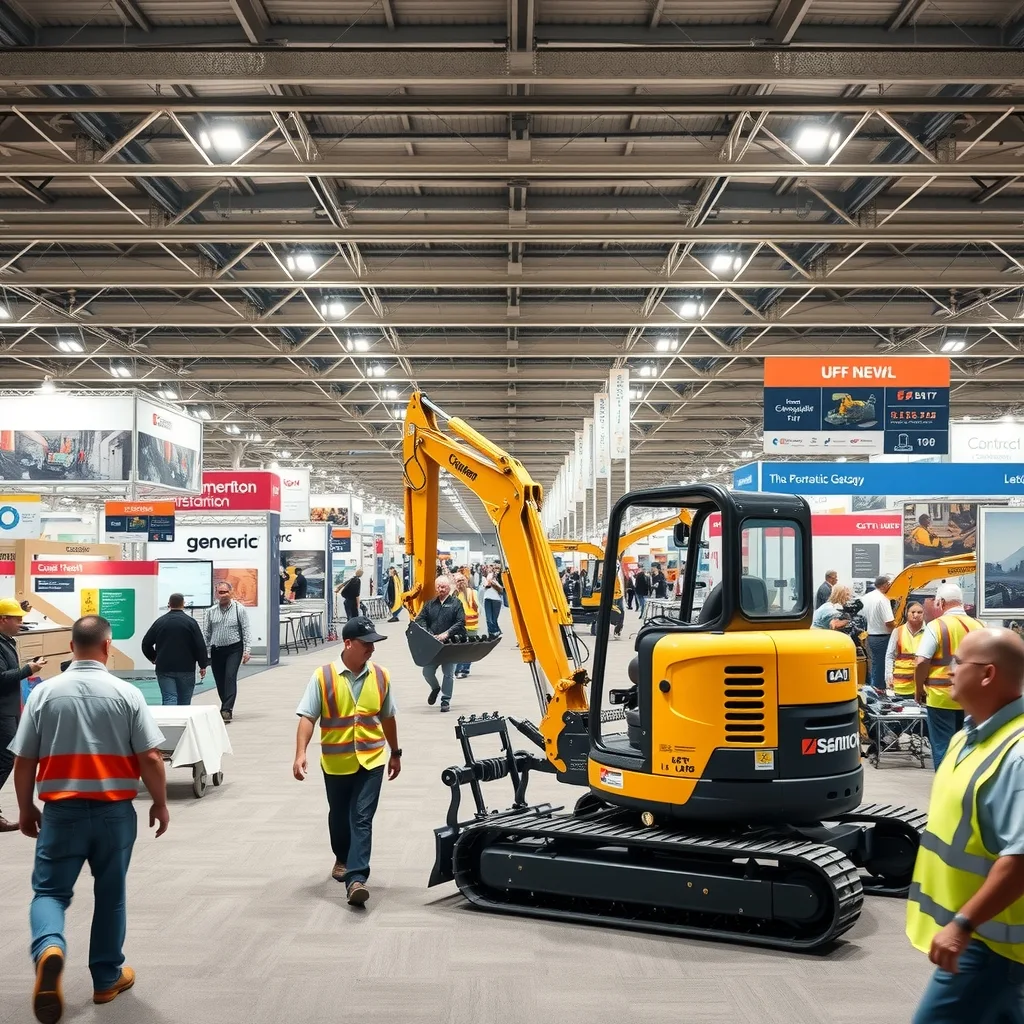

Australia’s residential builders are now competing directly with major infrastructure, energy and data centre projects for the same pool of licensed tradespeople, the Housing Industry Association says, and it wants governments to lift the total number of qualified trades rather than shuffle workers between sectors. The HIA’s comments follow a Canberra event with Federal Skills and Training Minister Andrew Giles, local builders and apprentices.
The association’s position was reported by Infrastructure Magazine, which carried figures from the Federal Government’s Key Apprenticeship Program alongside a series of statements from HIA Chief Executive Industry & Policy, Simon Croft.
3,400 new starts in July, 36,000 in a year
Key Apprenticeship Program results cited by the HIA show an extra 3,400 apprentice commencements in the housing construction stream during July, taking total commencements past 36,000 since the program began just over a year ago.
Croft said the political focus on training was welcome.
“Australia cannot build more homes without more skilled tradespeople, and it was encouraging to hear Minister Giles reinforce the importance of apprenticeships as a pathway to secure, rewarding careers while supporting the nation’s housing ambitions,” Croft said.
Those are commencement numbers, not qualifications. A first-year signing on in July 2026 is years off a trade certificate, which is where the HIA’s second point comes in.
Starting is one thing, finishing is another
Croft said getting more people through the door counted for less if they walked out again before they finished.
“Builders and tradespeople invest significant time and resources into training the next generation of tradies, and policies that support apprentices to start, stay and succeed are critical,” he said.
That lands hardest on the small end of the industry. For a two or three-hand residential outfit, a first-year isn’t cheap labour: apprentice wages climb every year of the training contract, and someone qualified is checking set-outs, marking cuts and standing over the work instead of putting up their own. If that apprentice drops out in year two, the builder carries the loss and starts again from scratch.

”Every sector is drawing from the same pool”
The competition Croft describes isn’t new, but the list of competitors has grown. Energy projects, road and rail work and the expanding data centre sector are all chasing the same licensed trades that housing needs.
“The reality is that every sector is drawing from the same pool of skilled tradespeople. Residential building is competing against large-scale projects that often have the capacity to attract workers away from housing construction,” Croft said.
He was blunt about what the fix isn’t.
“The answer is not moving workers between sectors. The answer is growing the overall pool of skilled tradespeople available to support Australia’s housing, infrastructure and economic development needs.”
What it looks like on the tools
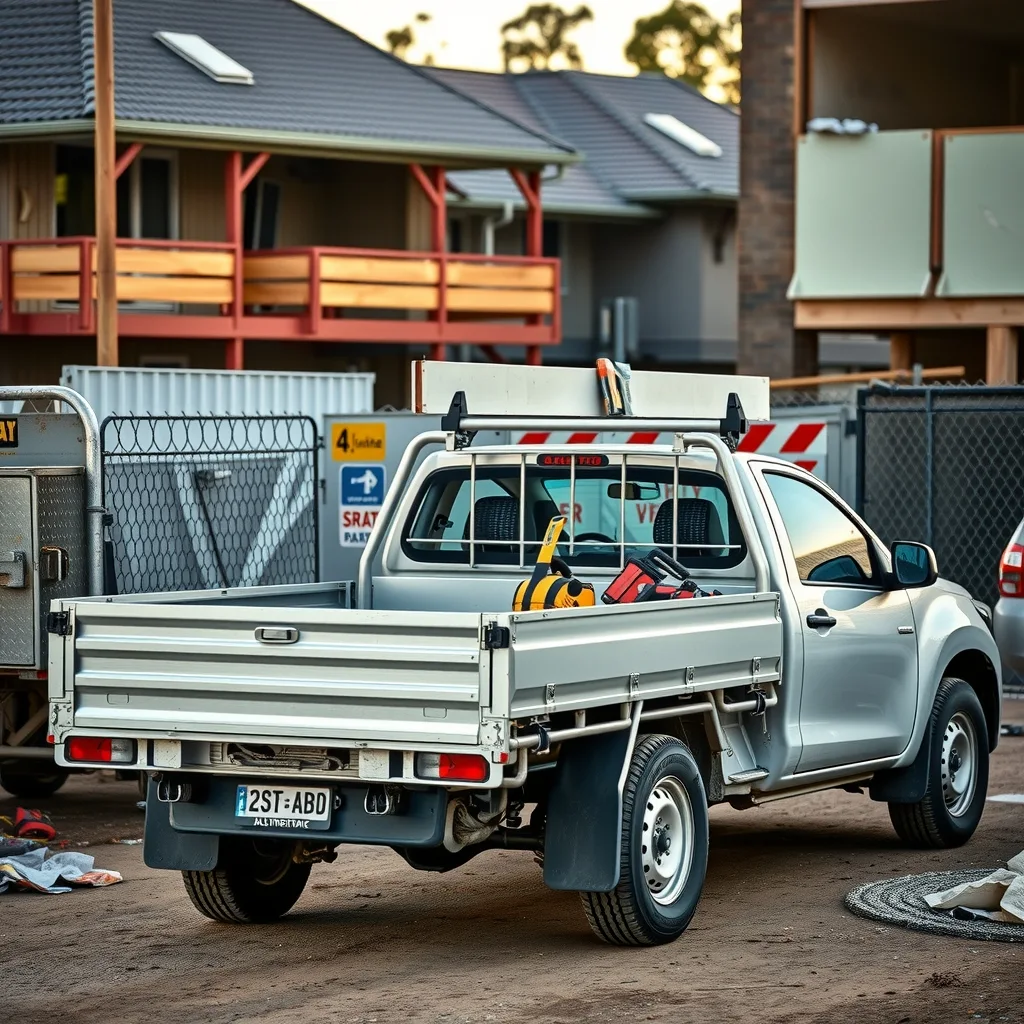
Housing work is fragmented by design. A residential build runs as a relay: earthworks and slab, then frames and trusses, roofing, lock-up, and the fitout trades following each other through. Most of those crews are in and out over days, then back in the ute to the next lot, sometimes in another suburb.
A single large project does the opposite. It concentrates the same trades on one address for a long stretch, with one site induction, one gate, one set of amenities, and no chasing a dozen different builders for progress claims.
The licensing overlap is what makes the pull so direct. Fixed electrical wiring requires a licensed electrician anywhere in Australia, and sanitary plumbing, drainage and water supply work requires a licensed plumber. The ticket that lets a sparkie rough in a house is the same ticket a switchboard-heavy data centre fitout wants, and that build isn’t waiting for the housing pipeline to catch up.

Croft also pushed the recruitment message past school leavers.
“Residential building provides diverse and rewarding career opportunities, and we need more young people, career changers and under-represented groups to see the industry as a first-choice career,” he said.
For anyone weighing up that path, the guide to becoming a carpenter in Australia sets out the apprenticeship route Croft is describing.
What to watch next
The HIA’s ask is coordination: a national line of sight between how many apprentices start, how many finish, and how many homes governments have promised.
“Government, industry and training providers must continue working together to encourage apprenticeships, improve completion rates and ensure employers are supported to train the workforce needed to build the homes Australians are demanding,” Croft said.
For anyone running a residential crew, the practical read is about timing. Monthly commencement figures under the Key Apprenticeship Program are the near-term signal to watch, but the number that actually changes who’s available on your job is completions, and that data sits three to four years behind today’s sign-ups. If you’re weighing up putting on a first-year this summer, the question isn’t whether the trade shortage is real. It’s whether the support settings hold long enough for that apprentice to finish.
Frequently asked questions
Why is the HIA worried about data centre and energy projects?
Because those projects compete for the same licensed tradespeople housing needs, and large sites can hold trades on one job for far longer than a residential build can, according to HIA Chief Executive Industry & Policy Simon Croft.
How many apprentices started in housing construction under the Key Apprenticeship Program?
The program logged 3,400 new commencements in the housing construction stream in July, taking the total past 36,000 since the scheme began just over a year ago, according to figures cited by the HIA.
Does a rise in apprentice commencements mean more tradespeople on site now?
Not immediately. Commencement figures are a near-term signal, but completions, the number that actually adds tradespeople to the workforce, sit three to four years behind because that’s how long a trade apprenticeship runs.
Sourced from Infrastructure Magazine, Housing Industry Association. Original article.