
Housing Australia has opened a new funding stream under Round 3 of the Housing Australia Future Fund aimed squarely at low-density housing, with Master Builders Australia saying the agency will prioritise up to 1,000 social and affordable homes through shovel-ready Class 1 projects. The stream was announced on 25 August 2026 and covers projects the agency considers ready-to-go and well located.
The announcement was published by Master Builders Australia, which says the new pathway follows its own advocacy on Round 3. Details of the open round sit on Housing Australia’s website.
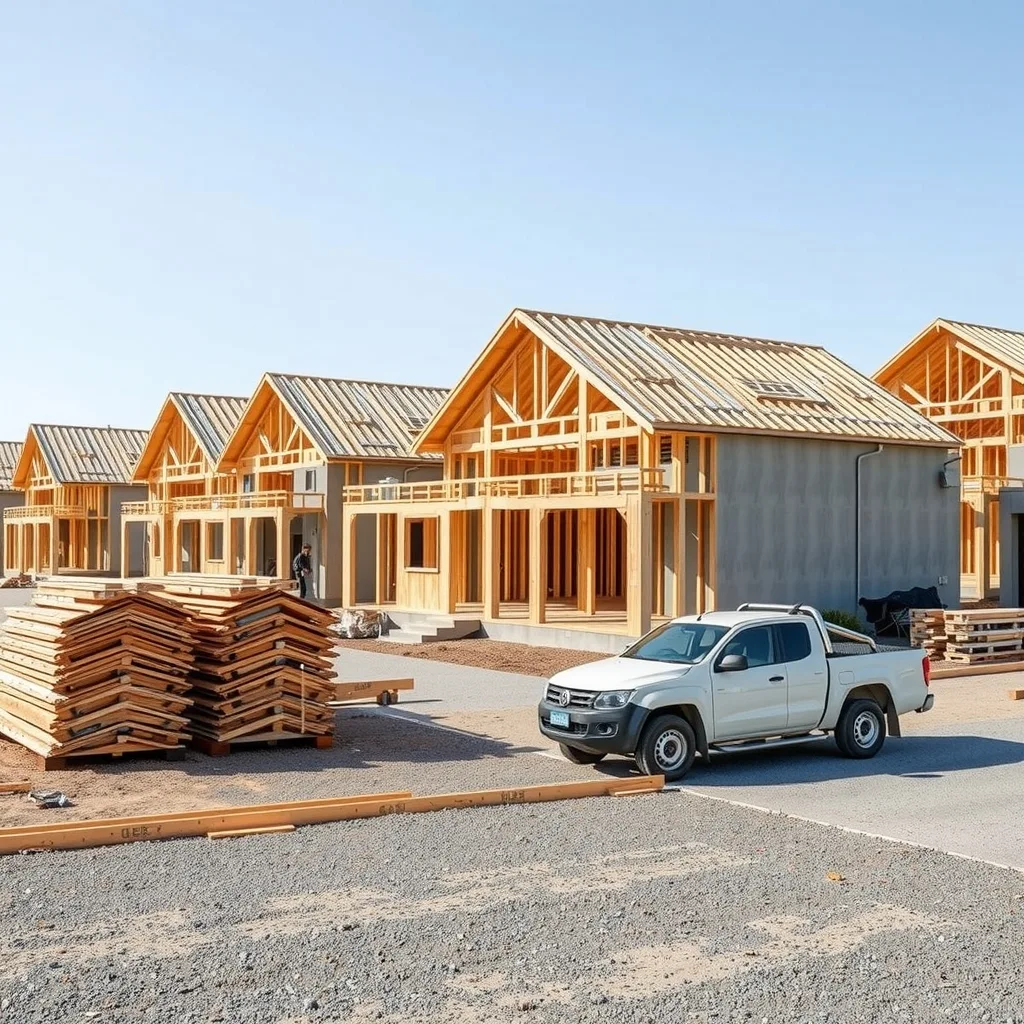
Class 1 is the National Construction Code bracket that covers houses: detached homes, townhouses, terraces and the smaller boarding-house style dwellings. In plain terms, this is the work most residential builders and their subbies do every week, rather than the apartment towers that have soaked up much of the attention in earlier HAFF rounds.
Why the low-rise builders were shut out
Master Builders had been raising the alarm that the existing arrangements weren’t reaching volume builders and tradies working on low-rise stock.
Master Builders Australia CEO Denita Wawn said the industry group had pushed on the issue for some time.
“Master Builders has consistently raised the potential limitations surrounding HAFF Round 3 and welcomes this commitment from Housing Australia, which has indicated it will prioritise up to 1,000 social and affordable homes through shovel-ready Class 1 projects,” Wawn said.
Her second point was about the follow-through, not the announcement.
“We now ask that this be rolled out as efficiently as possible, with transparency around delivery, to ensure these projects are completed, increase housing supply and assist Australians who need housing most,” she said.
“We now ask that this be rolled out as efficiently as possible, with transparency around delivery, to ensure these projects are completed, increase housing supply and assist Australians who need housing most.”
What a Class 1 pipeline actually looks like on the tools
A thousand houses is a very different job to a thousand apartments, and the difference shows up in who gets the call.
Low-rise Class 1 work runs on repetition. Site cut and services, slab pour, frame and truss, roof, brick or cladding, then lock-up and the fitout run of plumbing, electrical, plastering, tiling, cabinetry and painting. Each house is a short, self-contained sequence, and on an estate the crews leapfrog from lot to lot rather than waiting on a crane cycle and a formwork jump the way they do on a tower.
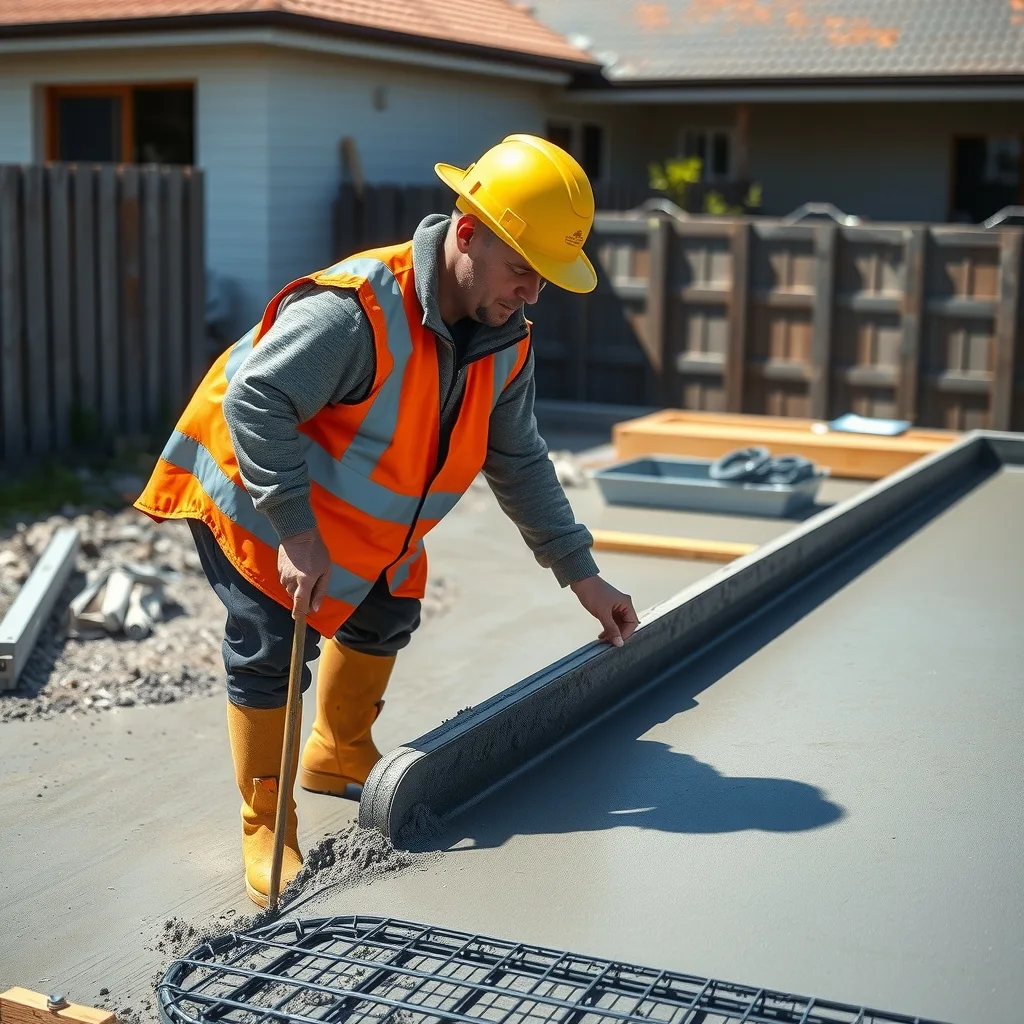
That matters for the order book. Apartment work tends to concentrate spending with a handful of large head contractors and their long-term subbie lists. House-and-land style delivery spreads it across a lot more small businesses: the two-man framing gang, the sole-trader concreter, the brickie with a couple of labourers, the local electrical contractor doing rough-in and fit-off on a rolling schedule.
It also changes the risk profile for anyone weighing up an apprentice. Detached and low-rise work gives a first- or second-year a full spread of tasks across a build in weeks rather than being parked on one repeated task for months, which is one reason residential builders have long carried a big share of the country’s apprentice intake.
”Measured by how many homes are built”
Wawn’s closing line was a warning shot about delivery rather than a victory lap.
“The legacy of the HAFF will ultimately be measured by how many homes are built,” she said.
That’s the number worth watching. An announcement of up to 1,000 prioritised homes is a target, not a slab in the ground, and the gap between funding rounds and completions is where housing programs usually come unstuck. The word doing the heavy lifting in the announcement is “shovel-ready”: projects with approvals sorted and a builder able to start, rather than concepts that still need eighteen months of paperwork before a truck turns up.
What to watch
Builders chasing this work should be reading the eligibility and timing detail on Housing Australia’s open funding round page rather than the press release. The tests that will decide who gets a look in are the ones around what counts as ready-to-go and what counts as well located.
If you run a small residential outfit, the practical question over the next few months is whether the projects landing near you are ones you could realistically resource. Funding decisions made now don’t put frames up next month. They put them up when the successful proponents get to site, and that’s the point at which the calls to subbies start.
Frequently asked questions
What is a Class 1 building under the National Construction Code?
Class 1 covers houses, including detached homes, townhouses, terraces and smaller boarding-house style dwellings, the type of work most residential builders and their subcontractors do every week.
How many homes will the new HAFF stream target?
Housing Australia has indicated it will prioritise up to 1,000 social and affordable homes through shovel-ready Class 1 projects under Round 3 of the HAFF.
What does ‘shovel-ready’ mean in this context?
It refers to projects with approvals already sorted and a builder able to start, rather than concepts still needing lengthy paperwork before work can begin.
Where can builders find eligibility details for the funding round?
The eligibility and timing detail sits on Housing Australia’s open funding round page, which the announcement points builders to rather than the press release.
Sourced from Master Builders Australia, Housing Australia. Original article.