
Builders are paying more for materials than at any point in three years. House construction input costs rose 3.9 per cent in the 12 months to September, electrical equipment climbed 14.5 per cent and plumbing products were up 9.4 per cent, according to quarterly producer price index figures the Australian Bureau of Statistics released on 30 October 2026.
Master Builders Australia, which flagged the numbers in a statement, said annual growth in construction inputs is now running at its fastest pace in three years. The full producer price index release sits with the ABS.
The line items behind the headline figure, over the 12 months to September:
- Electrical equipment: up 14.5 per cent
- Plumbing products: up 9.4 per cent
- Non-steel metal products: up 5.0 per cent
- Ceramics: up 4.1 per cent
Sparkies are wearing the biggest jump
A 14.5 per cent rise in electrical equipment over a single year is the standout in that list, and it lands on the one trade that can’t shop around on compliance. Switchboards, cabling, protection devices and accessories all have to meet standard, so there’s no cheap workaround when the supplier list moves.
For anyone pricing a house rough-in, the practical risk is the gap between the date you quoted and the date you order. A quote written six months ago on last season’s pricing is a margin problem now unless it carried an expiry date or the contract allowed for rise and fall.
Plumbing sits in the same boat at 9.4 per cent, and ceramics at 4.1 per cent will show up in bathroom and laundry fitout well after a contract price has been locked in.
”53 per cent since the pandemic”
Master Builders Australia Chief Economist Shane Garrett said the figures show cost pressure is still baked in rather than washing out.
“The cost of building a new home has increased by 53 per cent since the pandemic. It doesn’t stop at housing either, with the cost of building roads and bridges now 33 per cent higher and non-residential buildings nearly 40 per cent more expensive,” Garrett said.
That non-residential number matters for crews who move between sectors. Garrett said the ABS “has also highlighted ongoing labour shortages, with demand for non-residential construction being driven by public infrastructure projects such as hospitals and schools, as well as private sector investment in data centres.”
Hospital, school and data centre work pays and runs long, which pulls formwork hands, steel fixers, sparkies and mechanical crews off detached housing and into programmed jobs. If you’re a residential builder trying to hold a subbie list together, that competition is the other half of the cost story the index doesn’t show.
Fuel surcharges eased, but not for most house builders
One pressure has come off slightly. Garrett said that “while fuel surcharges due to the Middle East conflict have eased this quarter, they remained in place for most house builders across the country”.
Master Builders Australia Chief Executive Denita Wawn wants them gone entirely.
“We also urge suppliers to remove fuel surcharges as quickly as they were introduced so that cost relief can begin flowing through the construction supply chain,” Wawn said.
Delivery surcharges are the quietest line on a materials invoice and the hardest to argue once a job is running. They’re worth checking against your supplier’s current schedule before the next big order goes in.
Windows and doors: the tariff that hasn’t landed yet
The bigger worry flagged in the statement is the proposed anti-dumping duty on aluminium windows and doors imported from China.
“The proposed duties placed on aluminium windows and doors from China will only make the picture worse. As we’ve seen in the United States, a tariff is a tax on the end consumer. It can only increase the cost of building,” Garrett said.
“The proposed duties placed on aluminium windows and doors from China will only make the picture worse. As we’ve seen in the United States, a tariff is a tax on the end consumer. It can only increase the cost of building.”
He put a figure on it: “One window and door supplier has estimated that the cost of a $500,000 home build could increase by up to $26,500 as a result of these tariffs. According to Australian Trade Remedies Commission, window and door costs account for approximately 5 per cent to 7 per cent of total construction costs for a typical 3 to 4-bedroom dwelling with variations across states and dwelling types.”
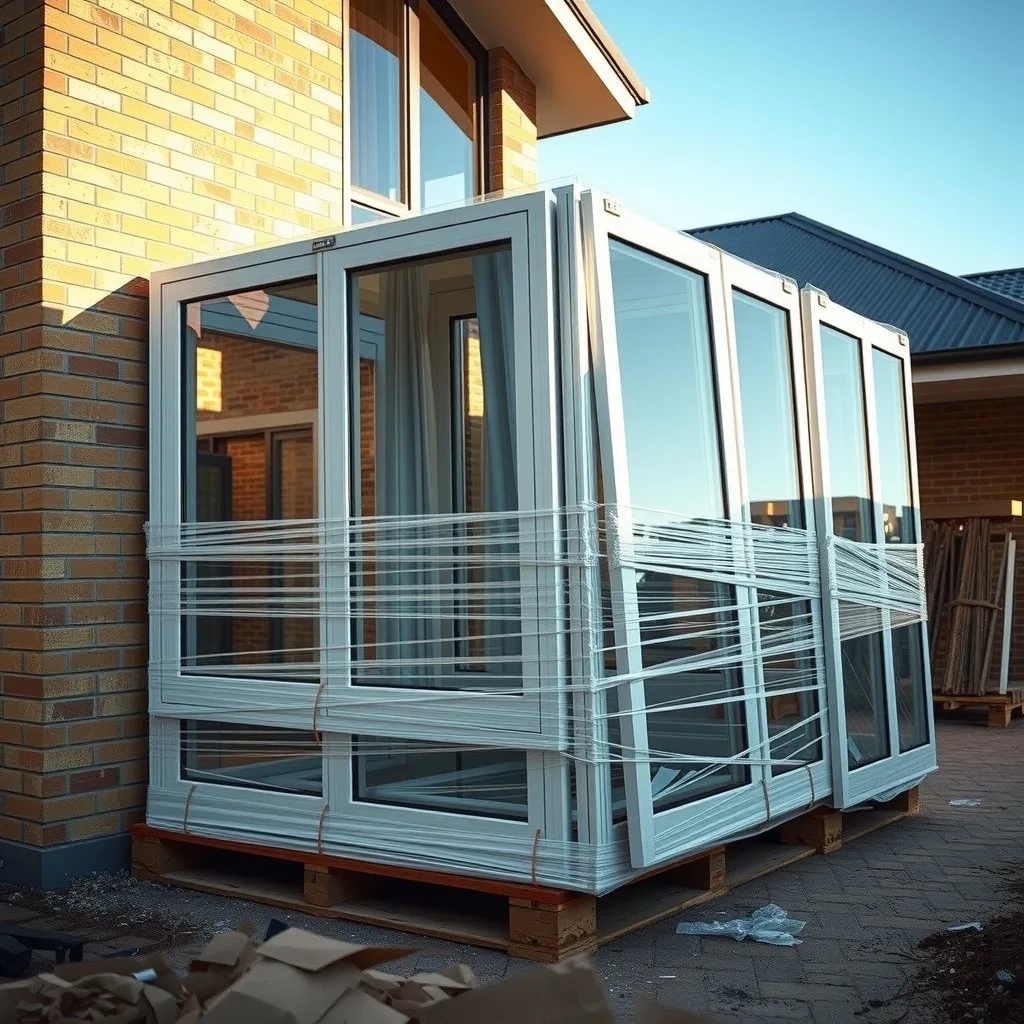
That estimate comes from a supplier, not from the Commission, and the duties are still proposed rather than in force. But the exposure is obvious for any builder sitting on a signed fixed-price contract with glazing not yet ordered. Windows get specified early and bought late, which is exactly the sequence that leaves the builder holding a price movement nobody budgeted for.
Master Builders calls for a policy reset
Wawn said the data points one way.
“The Government needs to rethink, reset and genuinely consult with the sector. Whether it is the duties on aluminium windows and doors, the ATO’s proposed credit card ban, changes to the taxation of trusts or new taxes on investment, the cumulative effect is reducing confidence, discouraging investment and making it harder to increase housing supply and building activity,” she said.
The association also pointed to the skilled migration and domestic workforce measures in its Blueprint report as part of the answer on labour.
What to watch
Three things over the next quarter: whether electrical and plumbing input costs keep running at double the headline rate, whether suppliers actually pull the fuel surcharges Wawn is asking about, and what happens with the proposed window and door duties.
On the tools, the useful move is smaller. Put a hard expiry on every quote you write, confirm whether your contract carries rise and fall, and get your glazing and switchboard orders priced in writing before you sign anything fixed.
Frequently asked questions
Why did electrical equipment costs rise so much?
ABS producer price data show electrical equipment costs rose 14.5 per cent in the year to September, the biggest jump in the index. Items like switchboards, cabling and protection devices must meet compliance standards, leaving builders no cheap alternative when supplier prices move.
Are the proposed tariffs on aluminium windows and doors already in effect?
No, the anti-dumping duties are still proposed, not in force. Master Builders cites a supplier estimate that they could add up to $26,500 to a $500,000 home build if they go ahead.
Have fuel surcharges on building materials gone away?
They’ve eased slightly this quarter as Middle East conflict pressures reduced, but Master Builders Australia says they remain in place for most house builders across the country.
Sourced from Master Builders Australia, Australian Bureau of Statistics. Original article.