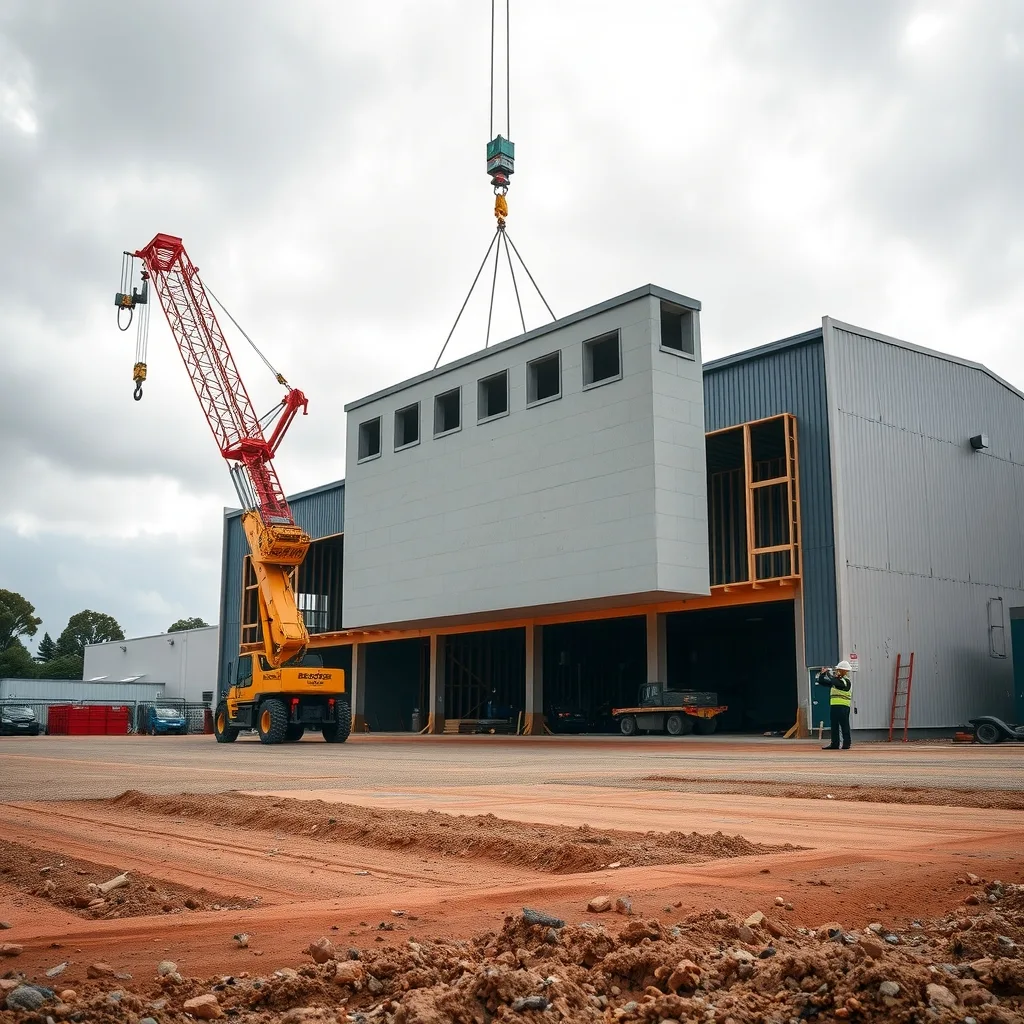

Construction has started on Daybreak Dandenong South, a $1.1 billion industrial and logistics estate on a 62.3-hectare greenfield site in Melbourne’s south east, with owner IFM Investors planning more than 283,000sqm of shed space across multiple stages.
The first stage is about 83,700sqm of industrial accommodation across up to eight tenancies, with completion expected in February 2028, Inside Construction reported. That’s a little under a third of the total floor area the developer eventually wants on the ground, so the site is set up to keep running in stages well beyond the first handover.
IFM Investors head of real estate Scott Mosely said the start of work followed years of planning.
“Opportunities to deliver industrial real estate development at scale in Dandenong South are increasingly limited. The project will deliver high-quality industrial space in one of Australia’s most important manufacturing and logistics markets,” he said.
The site sits alongside Western Port Highway and Portlink Drive, with the developer pointing to access to EastLink, the Monash Freeway and the future Dandenong South Intermodal as the drawcard for future occupiers.
One of the last big greenfield blocks in the precinct
Dandenong South has been Melbourne’s workhorse industrial precinct for decades, and the flat, serviced, truck-friendly land in it has been getting scarcer for years. IFM describes the Daybreak block as one of the last remaining greenfield development opportunities in the precinct.
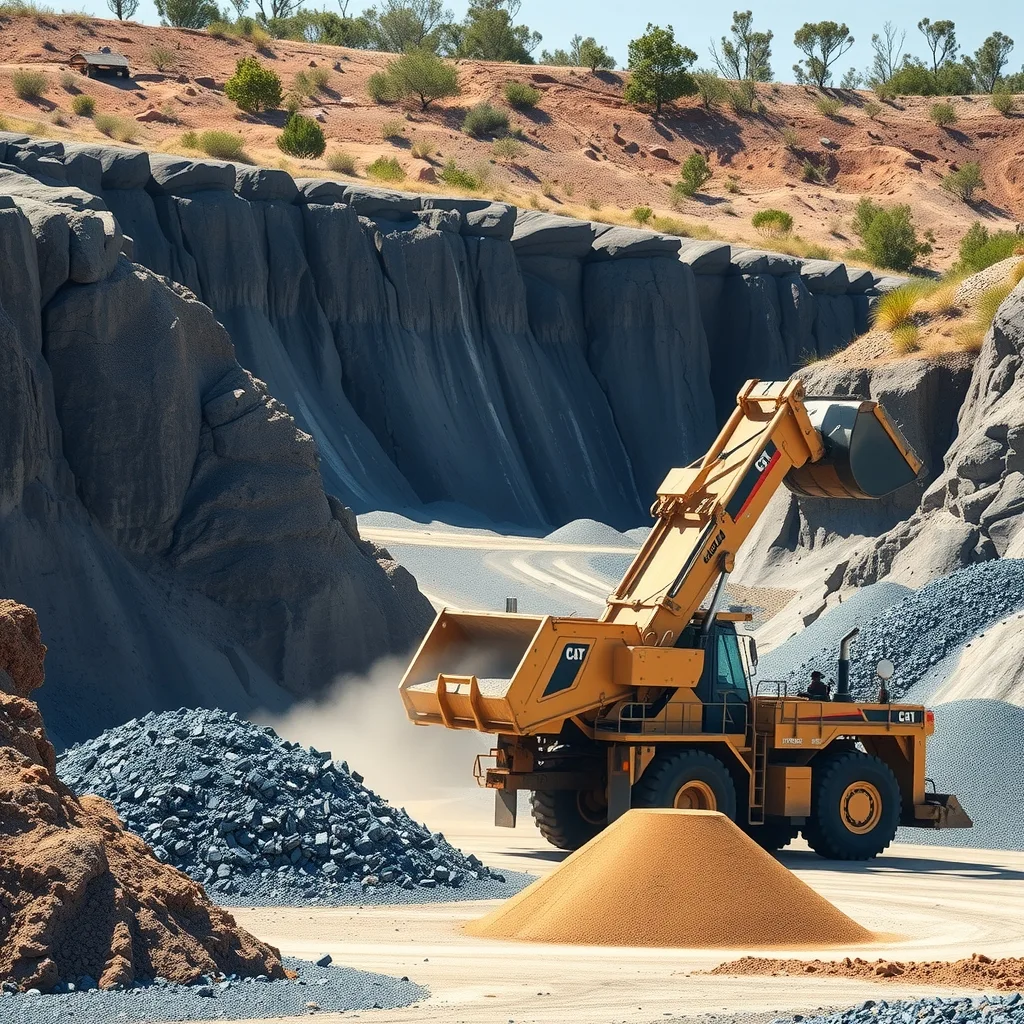
That matters for the people who build sheds for a living. Greenfield work means bulk earthworks, service trenching and road and hardstand construction before a single panel goes up, rather than the fiddly staged demolition and live-site work that comes with infill industrial jobs.
Mosely said the area’s history was part of the pitch.
“Greater Dandenong has a long history of supporting industry, innovation and employment. Developments like this help ensure businesses have access to the modern industrial space they need to grow, invest and support Victoria’s economy.”
What the next 15 months look like on the tools
From the start of works to the February 2028 stage one completion is roughly 15 months, and big-box industrial runs to a well-worn sequence in that window.
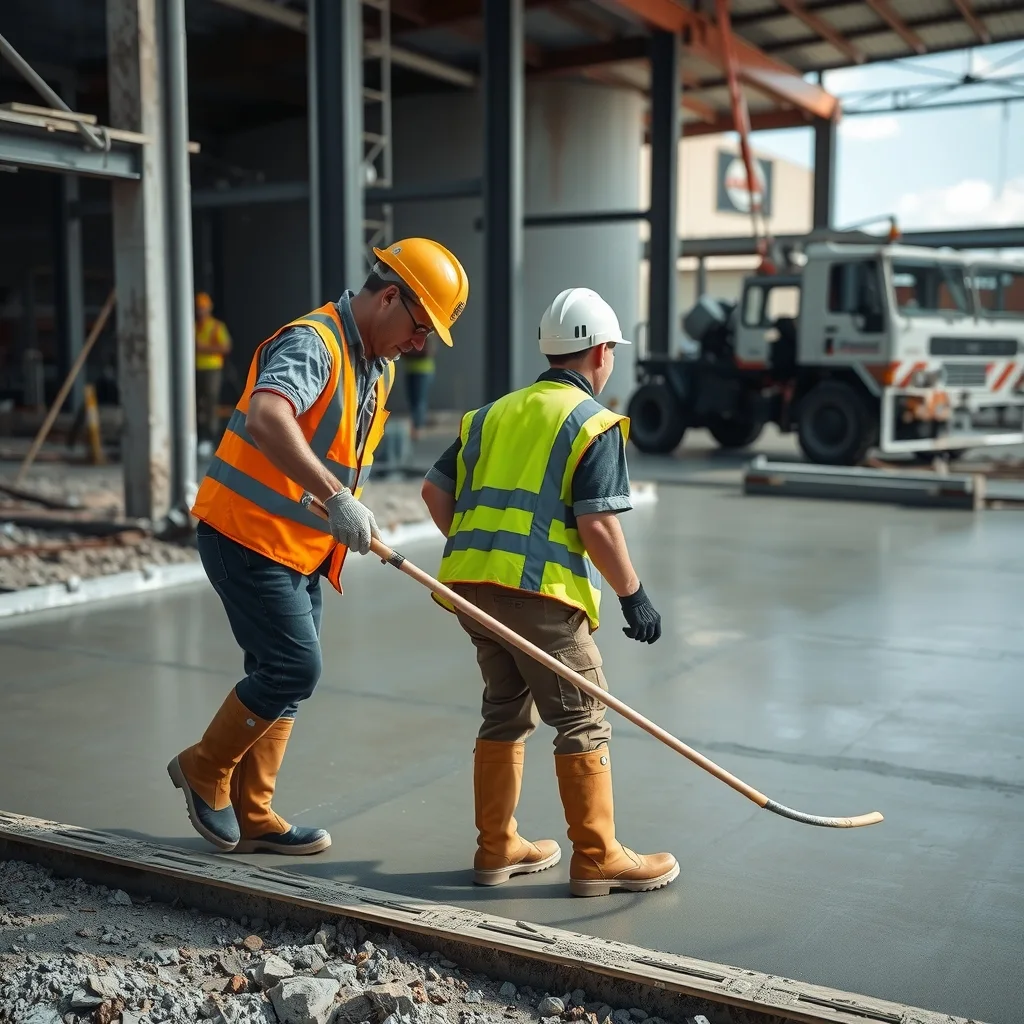
Earthworks and civil crews go first, cutting and filling the pad and putting in stormwater, sewer and water mains. Piling or footings follow, then the slab pours, which on a floor plate this size get broken into pour-by-pour bays rather than done in one hit. Precast or tilt panels go up behind the slab, structural steel and roof sheeting chase the panels, and the sheds get closed in.
Only then does the fitout work start: office pods, internal partitions and carpentry, electrical rough-in, fire services, hydraulics, dock levellers and roller shutters. With up to eight tenancies in stage one, that fitout work is repeated unit by unit rather than done once, which is the part of an industrial job that holds the most hours for the fitout trades.
The practical read for anyone weighing up an apprentice or a second ute: the civil and structural trades get the call first, and the fitout trades are looking at work landing well into 2027, not next month.
3,090 job years, on one estimate
An economic assessment estimates Daybreak Dandenong South will contribute more than $490 million in economic value, support more than 3,090 full-time equivalent job years during construction and about 2,370 full-time equivalent jobs a year once operational, Inside Construction reported in October 2026.
Job years aren’t jobs. A job year is one person working full-time for 12 months, so a figure like that is spread across the whole multi-stage build and shared between civil, structural, fitout and the supply chain feeding them. It’s still a meaningful number for a single estate in one suburb.
The assessment is the developer’s, and no second source has published its own figures on the project, so treat it as the proponent’s case rather than an independent audit.
Solar, rainwater and a 5 Star target
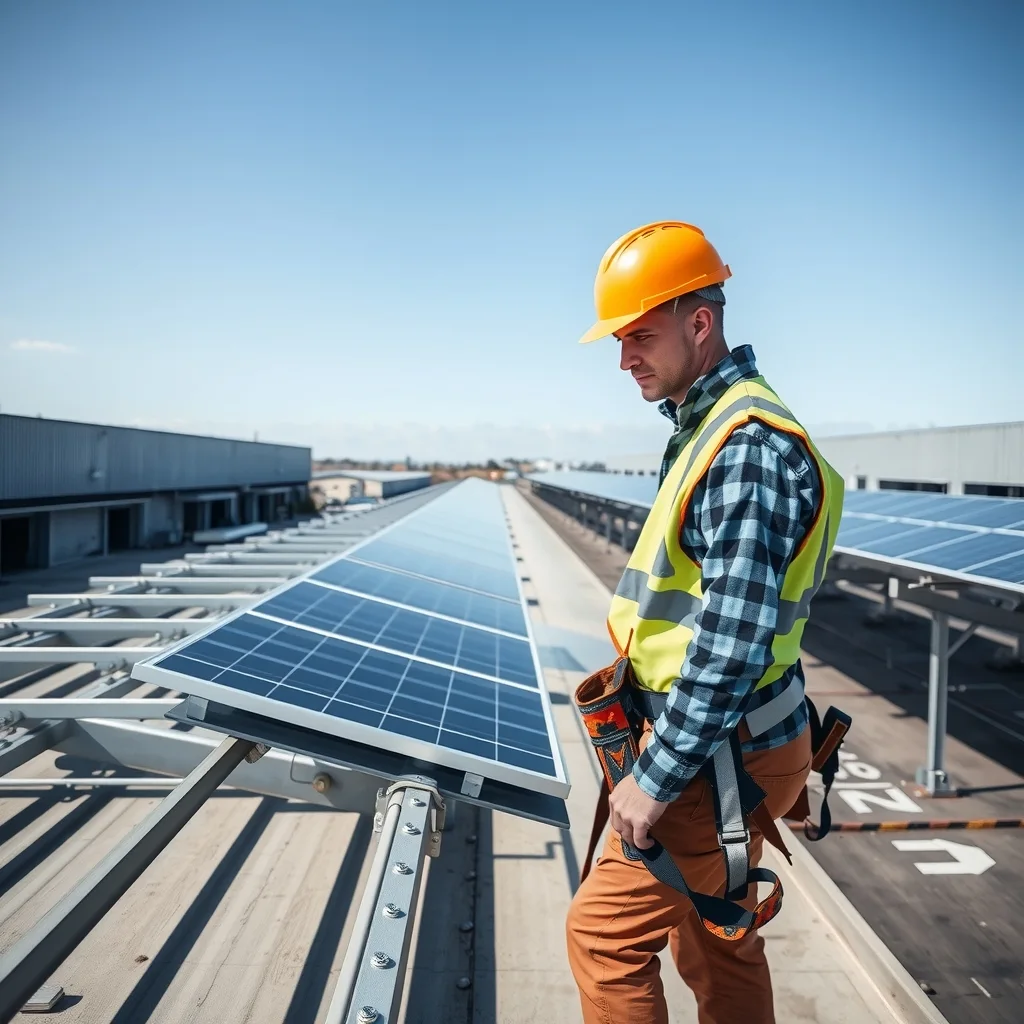
The project is targeting a 5 Star Green Star Buildings rating. Planned measures include solar photovoltaic systems, rainwater harvesting, electric vehicle charging infrastructure and more than 28,000sqm of landscaped open space.
For the trades, a sustainability spec on a roof this big is real work rather than a brochure line. Rooftop PV on industrial sheds has to be installed by an accredited installer for the small-scale certificates to be claimable, and EV charging infrastructure pulls switchboard, supply and civil work forward in the program instead of leaving it as an afterthought. Rainwater harvesting adds tank bases, pump sets and a second run of hydraulic work on top of the standard stormwater.
Mosely framed the spend as a long-horizon play. “As a long-term investor, we’re focused on investing in high-quality assets in the right locations,” he said.
What to watch
The things worth tracking from here are the ones the announcement didn’t nail down: when stage two is called, whether tenants pre-commit to the first eight tenancies before practical completion, and how the Dandenong South Intermodal progresses, because freight connection is a big part of what sells sheds in this precinct.
If you’re chasing packages on this one, the civil and structural work is being let now. Fitout contractors have time to get their quotes in order before the sheds are closed in.
Frequently asked questions
When will stage one of Daybreak Dandenong South be finished?
Stage one, about 83,700sqm of industrial space across up to eight tenancies, is due for completion in February 2028, roughly 15 months after construction started.
How many jobs will the Daybreak project create?
A developer-commissioned economic assessment estimates the project will support more than 3,090 full-time equivalent job years during construction and about 2,370 ongoing FTE jobs once operational. That figure is the proponent’s own estimate, not an independently audited one.
Which trades will be needed first on site?
Civil and structural trades, earthworks, piling and slab and precast work, are engaged first. Fitout trades such as electrical, hydraulics and carpentry aren’t expected to start in volume until well into 2027.
Sourced from Inside Construction. Original article.