

Opposition leader Angus Taylor is expected to unveil a Coalition immigration policy on Tuesday that cuts net overseas migration well below Labor’s 225,000 target. The plan keeps working holidaymaker places, prioritises skilled arrivals, and pegs the number of new arrivals to how many homes get finished each year.
Liberal sources told Guardian Australia the Coalition’s target for net overseas migration would sit well below Labor’s new target, but wouldn’t go as far as One Nation, which wants net arrivals capped at 130,000 a year after a brief initial period of net negative migration. The policy goes to a special Liberal and National party room meeting this morning before release.
The Nine newspapers reported the Coalition would drop net migration to around 100,000 in the first year after the election, before letting it climb back to a figure somewhere between One Nation’s 130,000 and Labor’s 225,000.
The numbers on the table
Labor’s plan, set out by home affairs minister Tony Burke, brings net overseas migration down to 245,000 this financial year and 225,000 in 2027-28. Most students won’t be allowed to bring family members, and so-called visa hopping, where a student shifts between enrolments to stay on, would be banned.
The Coalition’s crackdown is expected to hit foreign students and visa overstayers, along with measures to remove people in the country without a legal pathway to stay. The biggest cuts land in year one, to shift the headline number fast.
Australia issued more than 337,000 international student visas last year, about 45,000 of them to dependants or family members of the primary applicant, Guardian Australia reported.
Housing completions become the dial
The part of this that lands squarely on site is the link Taylor has already flagged between new arrivals and housing completions. Under that design, the number of homes that get signed off becomes the valve on the migration tap, which means the output of builders, concreters, framers and fitout crews feeds straight back into a federal intake number.
It cuts both ways. Finish more dwellings and the gate opens wider. Fall short, and the policy tightens the supply of the very workers some builders rely on to finish them.
What the source material doesn’t yet tell us is the detail that decides whether any of this changes your hiring plans: which occupations get counted as priority skills, and whether employer-sponsored trade workers sit inside or outside the headline cap. That’s the line to read first when the policy drops, including whether carpentry, electrical and plumbing trades are named in the priority skills stream.

Liberal MP Andrew Wallace confirmed the plan had been modelled to test its effect on the economy.
“You can’t just slash immigration altogether,” he told Channel Nine.
“We’ve got to ensure that our farmers and our key industries have the right skills to be able to keep the country moving, and that’s what we’ll be focused on.”
Wallace said the plan would be “very, very carefully targeted towards ensuring that we have the right number of people coming into the country, but also the right skills.”
Worth remembering the timing. Migration settings can move intake inside a year. An apprentice signed on this year doesn’t walk out the other side qualified for several more, a path the carpentry apprenticeship guide lays out in detail. Any outfit treating a lower intake as a reason to put on a first-year is making a bet that runs well past the next electoral cycle.
Backpackers, farms and the carve-out fight
Nationals MPs have warned that Labor’s plan to limit how many working holidaymakers stay for a second and third year would badly hurt regional industries including fruit picking, and have pushed for carve outs. Labor wants a ballot for backpackers seeking to stay beyond the first year, which is designed to pull down the number of temporary workers in the country.
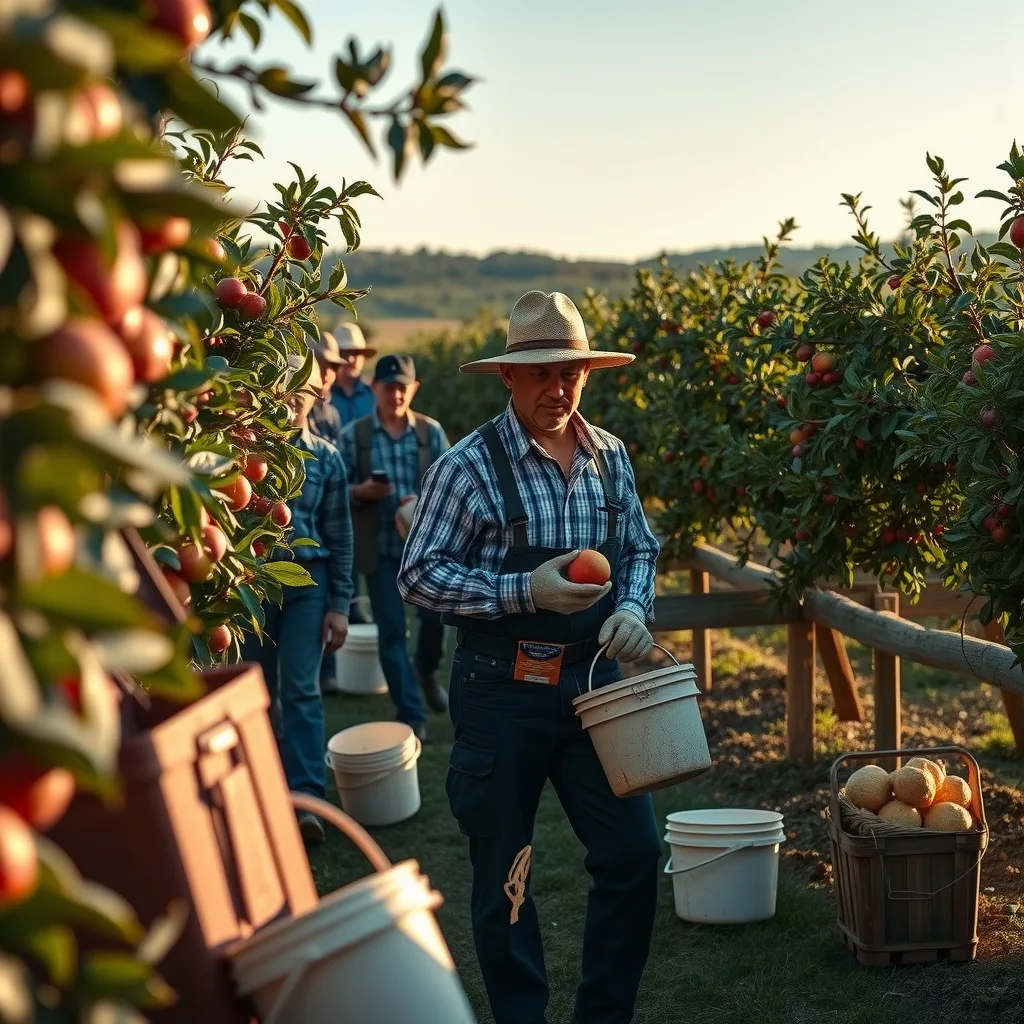
Regional hospitality and agriculture businesses have lobbied the Coalition to leave that workforce alone, and the opposition says its policy keeps working holidaymaker places intact. For small regional operators running crews over a picking season or a tourist summer, that’s the single clause in the whole package that matters.
One Nation sets the pace
Taylor is under pressure to stop an exodus of support to One Nation, which has passed both major parties in some opinion polls, with leader Pauline Hanson increasingly setting the terms of the immigration debate. One Nation announced last month it would cut the number of temporary migrants by more than 750,000 over three years, going after international students and the family members of skilled migrants.
One Nation MP Barnaby Joyce, who defected from the Nationals last year, wasted no time claiming the credit.
“I congratulate the Coalition for basically coming up with our policy. There’s a bit of a nuance in there, but you know what? It shows an endorsement of where One Nation is off to,” he said.
What to watch
None of this binds anyone yet. It’s an opposition policy that needs an election win before a single visa setting changes, and the current rules still sit with the Department of Home Affairs.
When the document lands, skip the headline number and go to the occupation detail: whether carpentry, electrical and plumbing trades are named in the priority skills stream, and whether sponsored trade workers are counted in the cap or sit outside it. That’s the difference between a policy that reshapes who you can hire and one that’s just a number in a press conference.
Frequently asked questions
What net migration target is the Coalition proposing?
Liberal sources told Guardian Australia the target would sit well below Labor’s 225,000 figure, with Nine newspapers reporting it would drop to around 100,000 in the first year before climbing back towards a level between One Nation’s 130,000 and Labor’s 225,000.
Will working holidaymaker visas be cut under the Coalition plan?
No. The opposition says its policy keeps working holidaymaker places intact, a point it has used to court regional hospitality and agriculture operators who rely on backpacker labour.
How would housing completions affect the migration intake?
Under the design Angus Taylor has flagged, the number of homes finished and signed off each year would set the following year’s migration intake, tightening if completions fall short and opening wider if more dwellings are finished.
Is this policy already in effect?
No. It’s an opposition proposal that would need a Coalition election win before any visa settings changed. Current migration rules remain set by the Department of Home Affairs.
Sourced from Guardian Australia, Nine newspapers, Channel Nine. Original article.