

If you’ve been adding a card payment fee to the final invoice, that stops now. From 1 October, a Reserve Bank rule change lets Visa, Mastercard and Eftpos ban surcharges on credit, debit and prepaid card payments taken in store, online or through a mobile wallet, with PayPal, American Express and UnionPay dropping theirs on the same day. The cost hasn’t vanished, it just has to sit inside your price instead of on a separate line.
The detail comes from a cheat sheet published by The Sydney Morning Herald, which sets out what changed, who enforces it, and where a customer goes if they reckon they’ve been charged anyway.
What changed on the terminal
Merchants can no longer charge an extra fee when a customer taps or inserts a card at the point of sale. Businesses have to clearly display the final price, switch surcharging off on their terminals, and take down any payment surcharge notices still on display.
Some older terminals don’t update automatically. Payment providers and banks have disabled the surcharge function on the machines they control, but the Reserve Bank and the banking industry have asked for patience while businesses work through the transition, the SMH reports.
One carve-out worth knowing: weekend and public holiday surcharges aren’t part of the ban and are still permitted. That’s a surcharge on the price of the service, not on the payment method, so a Sunday call-out rate is a different animal to a card fee.
The fee behind the fee
Behind the counter, the new regime cuts what it costs to process a card in the first place. From 1 October 2026, the Reserve Bank’s cap on interchange fees for Australian consumer credit cards drops from 0.8 per cent to a flat 0.3 per cent, with the ceiling on domestic debit and prepaid cards falling from 10c or 0.2 per cent to 8c or 0.16 per cent.
Interchange is the fee paid between banks every time a card is tapped or swiped. It’s one component of what your payment provider bills you, not the whole bill, so the saving that lands in your account depends on what deal you’re on.
What it means when you’re quoting
The housekeeping is short but it’s on you, not your bank. Get in touch with your bank or payment provider to make sure surcharging is switched off, then update your pricing details where you need to.
Then go through the paperwork. Invoice templates, quoting software, the card reader rattling around in the ute, the laminated sign on the workshop counter: anywhere a “card payment fee” line lives, it has to come out. Quotes you’ve already sent with that line on them can’t be charged out from today.
The harder part is the repricing. Deleting a line item takes a minute. Working out whether your hourly rate, your day rate or your materials margin now carries that cost, without pricing yourself out of the next three jobs, takes a bit longer.
Expect your suppliers and subbies to be doing the same sums. The SMH notes most businesses are already absorbing higher costs on several fronts and don’t feel able to take on more, so many will adjust prices and look for savings elsewhere.
Cash discounts are still legal
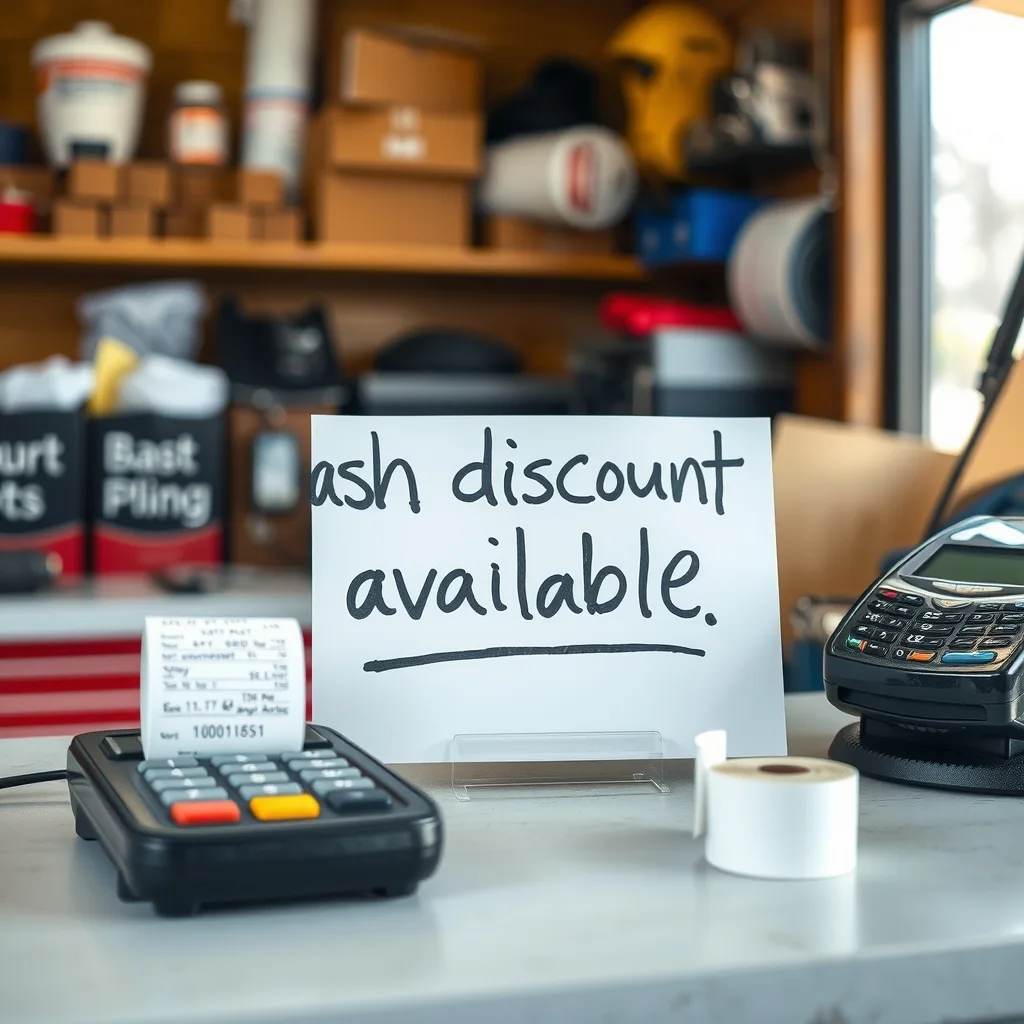
The consumer watchdog has confirmed businesses can offer a discount for a preferred payment method such as cash or PayID. The catch is disclosure.
“Payment method discounts should be clearly disclosed before consumers choose to book, order or pay,” the ACCC states on its website. In trade terms, that means the discount belongs on the quote, not sprung on the customer when you’re packing up the tools.
Cash Welcome campaign manager Jason Bryce says the shift is already under way. “Most small retailers will raise prices to cover card costs and many will offer discounts for cash payments,” he said.
“Most small retailers will raise prices to cover card costs and many will offer discounts for cash payments,“
If a customer disputes a charge
This is the bit that catches people out. The ACCC and the RBA aren’t the ones handling surcharge complaints. Payment providers such as Square, Tyro and Stripe, along with some banks, and the card networks Visa, Mastercard and Eftpos, are responsible for enforcing the ban and will be held responsible if surcharges keep appearing.

A customer who’s been charged is told to ask the merchant to clarify the amount, ideally before paying, request a refund on the surcharged amount, and if that’s refused, report it to their bank or card provider.
Consumer law hasn’t gone anywhere either. The ACCC and state agencies including NSW Fair Trading and Consumer Affairs Victoria will keep monitoring whether businesses mislead customers about prices or the reasons for price rises. If you’re lifting rates to cover card costs, say so plainly rather than dressing it up.
Check the card in your own wallet too
The banks have already clawed back the revenue, and it’s showing up on the business card you use for materials. Major banks have wound back credit card sign-on bonuses and points earn rates, which were funded by the higher interchange fees, and lifted annual fees. Commonwealth Bank has overhauled its loyalty program, Westpac has announced fee rises and cuts to benefits including free travel insurance, and NAB has scrapped its premium Prestige card outright.
Corporate spending platform Archa’s chief executive Oliver Kidd suggests asking your provider whether your points earn rate has changed, whether you’ve lost complimentary insurance, whether your interest-free period or interest rate has moved, what you’re really paying in foreign exchange fees, and whether your credit limit has shifted without you knowing.
“Business owners shouldn’t assume their card still offers the same value it did a year ago,” he said.
The practical job this week is small: ring your payment provider, confirm the surcharge function is off, strip the fee line out of your templates, and decide what your new number is before the next quote goes out. Industry body AusPayNet has put an FAQ for consumers, businesses and payment providers at cardsurcharge.com.au.
Frequently asked questions
When does the card surcharge ban start?
The ban starts 1 October, when Visa, Mastercard, Eftpos, PayPal, American Express and UnionPay stop allowing surcharges on card and mobile wallet payments made in store or online.
Can I still offer a cash discount?
Yes. The ACCC says businesses can offer a discount for a preferred payment method such as cash or PayID, as long as it’s clearly disclosed before the customer books, orders or pays.
Who handles it if a customer is charged a surcharge anyway?
Not the ACCC or the RBA. Payment providers such as Square, Tyro and Stripe, some banks, and the card networks Visa, Mastercard and Eftpos are responsible for enforcing the ban.
Are weekend or public holiday surcharges banned too?
No. Those are surcharges on the price of the service rather than the payment method, so a Sunday call-out rate can still legally apply.
Sourced from The Sydney Morning Herald, ACCC. Original article.