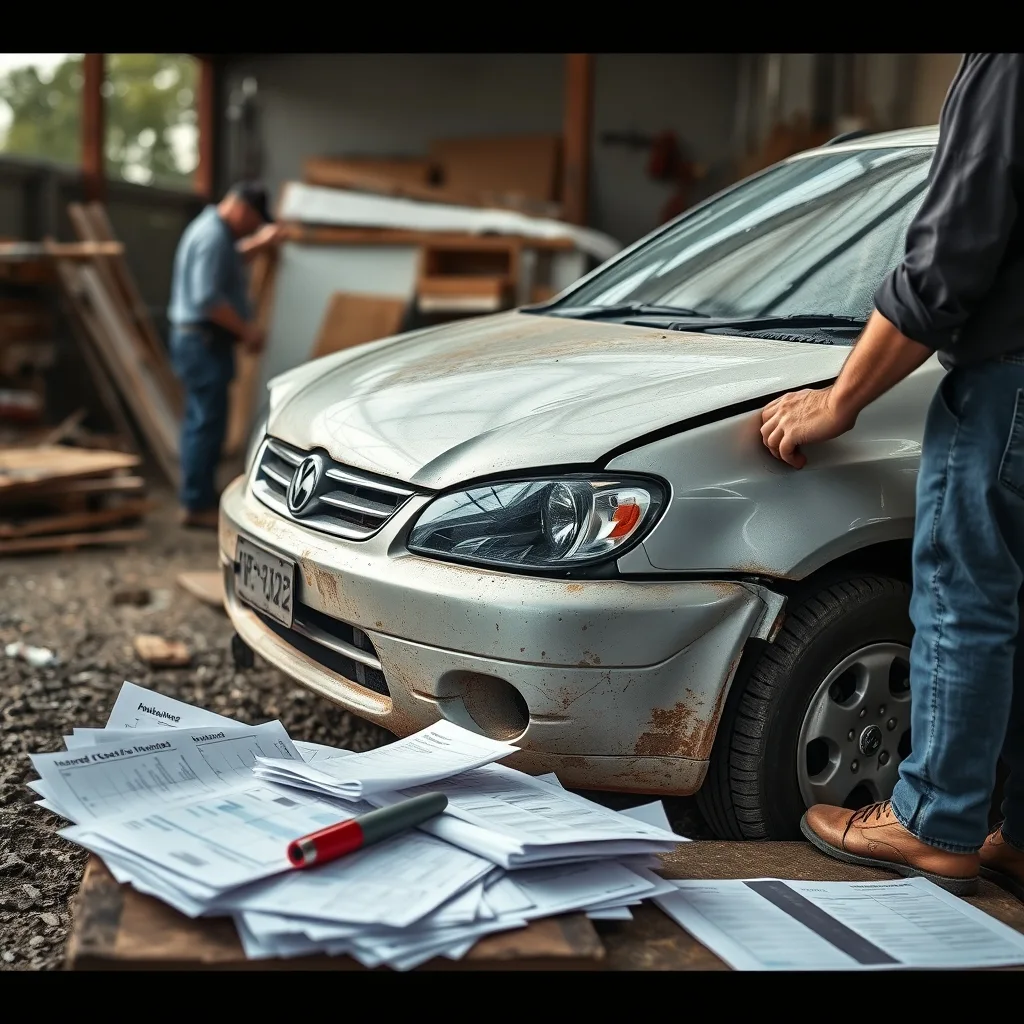

Car insurance premiums have climbed about 50 per cent since 2019, and the financial regulator says motorists are being kept in the dark about why.
ASIC’s new report, which examined 320 renewal documents from eight brands covering 72 per cent of the market, found insurers routinely bury explanations in supplementary documents or rely on generic language. The brands reviewed were AAMI, Suncorp, Allianz, Territory Insurance Office, NRMA, RACV, RAC (WA) and Youi.
The 50 per cent figure combines Insurance Council of Australia data showing a 42 per cent rise in the five years to 2024, plus an additional 8 per cent jump recorded by consumer group Choice in the year to 2025. ASIC commissioner Alan Kirkland said the increases deserve attention whatever else is hitting household budgets. “These are big increases,” he said. “There is no upside to loyalty.”
For tradies running a ute or van, that’s a real hit to operating costs. A work vehicle isn’t optional, and the premium lands on top of fuel, registration and tool insurance. ASIC surveyed more than 2,000 customers and found 31 per cent of those who called their insurer and pushed back got a lower price. Yet 40 per cent didn’t try at all.
The regulator also flagged a less-noticed saving: paying annually rather than in monthly instalments can cut costs by up to 20 per cent, but 54 per cent of survey respondents either didn’t know this or couldn’t find it in their renewal notice. Some insurers, ASIC says, don’t communicate the option at all.
The underlying cost pressures are real. IBISWorld insurance analyst Andrew Ledovskikh points out that SUVs made up more than 65 per cent of new car sales in July 2026, up from around 37 per cent in 2016, and EVs hit nearly 22 per cent of sales the same month. Both are more expensive to repair than the hatchbacks and sedans they’ve replaced, partly because of sensors and electric componentry. The Insurance Council of Australia puts motor claims costs up 47 per cent since 2020. Still, ASIC’s finding that a phone call can produce a cheaper quote raises fair questions about whether every cent of the increase reflects genuine cost.
Kirkland has threatened enforcement action against insurers who issue misleading renewal notices. Comparison platform Finder found a $1,871 gap between the cheapest and most expensive comprehensive policies across a 26-policy review. That gap is worth a few minutes on the phone at renewal time.
Frequently asked questions
How do I get a cheaper car insurance premium at renewal?
ASIC found that 31 per cent of drivers who called their insurer and pushed back got a lower price. It’s also worth checking whether paying annually rather than monthly saves money, ASIC says this can cut costs by up to 20 per cent.
Why have car insurance premiums gone up so much?
The Insurance Council of Australia says motor claims costs are up 47 per cent since 2020. IBISWorld analyst Andrew Ledovskikh points to the shift toward SUVs and EVs, which are more expensive to repair than older hatchbacks and sedans due to sensors and electric componentry.
Which insurers did ASIC review?
ASIC examined 320 renewal documents from AAMI, Suncorp, Allianz, Territory Insurance Office, NRMA, RACV, RAC (WA) and Youi, eight brands covering 72 per cent of the market.
How big is the price difference between the cheapest and most expensive car insurance policies?
Comparison platform Finder found a $1,871 gap between the cheapest and most expensive comprehensive policies in a 26-policy review.
Sourced from Sydney Morning Herald, ASIC, Insurance Council of Australia, IBISWorld, Choice, Finder. Original article.