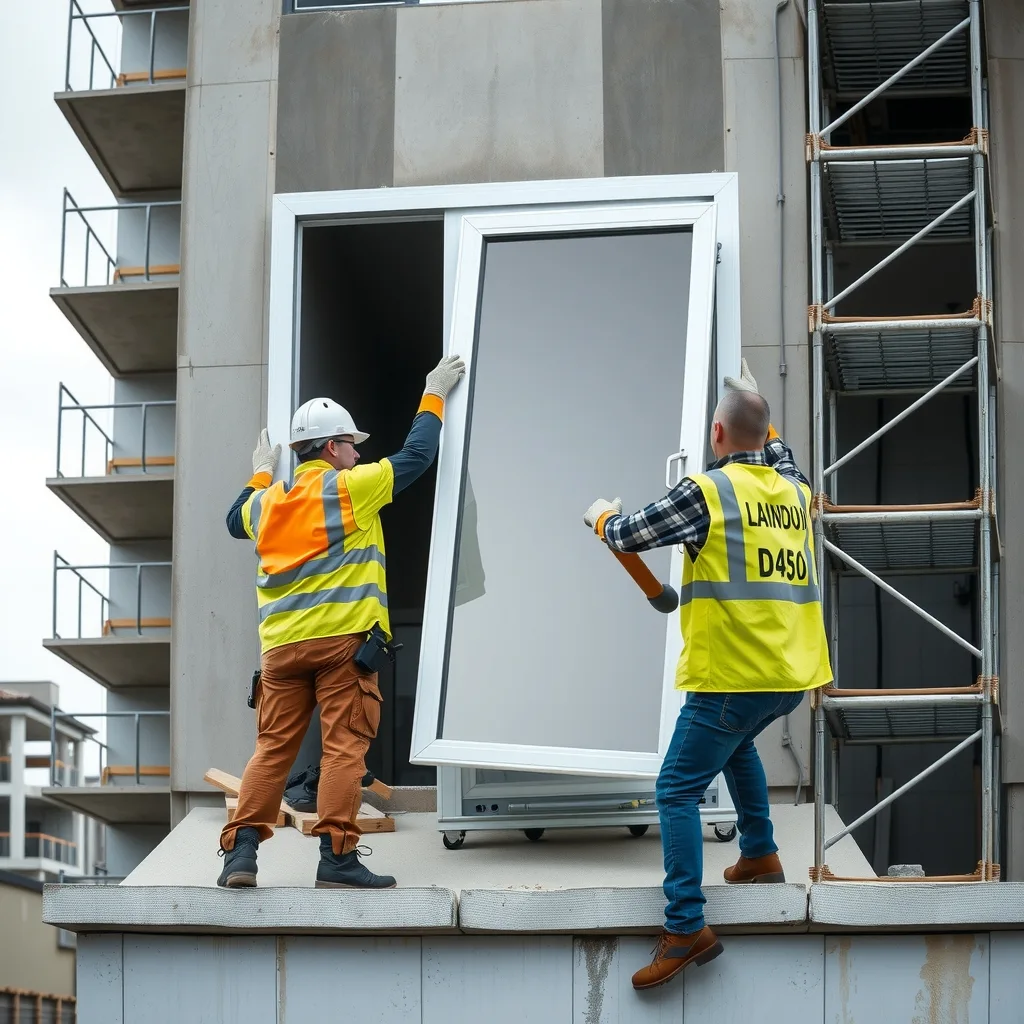

Master Builders Australia has told the Australian Trade Remedies Commission that proposed tariffs on aluminium windows and doors (AWD) imported from China could push the cost of those products up by as much as 75 per cent, with a final decision resting with the federal Minister for Industry.
The warning came in the association’s submission to the Commission’s AWD investigation, published on the Master Builders Australia website on 14 November 2026. Master Builders is asking the Federal Government not to impose the tariffs at all, and says that if they do go ahead, residential apartment projects (Class 2) should be carved out.
Materials costs have already done plenty of damage to margins. Building materials are up 43.7 per cent since 2019, while AWD products specifically have risen 45.4 per cent over the same period, according to ABS figures cited in the Master Builders submission.
Fixed-price contracts leave the builder holding the bill
Master Builders CEO Denita Wawn said the hit would land in two places at once.
“We are talking about cost increases worth tens of thousands, and in some cases hundreds of thousands or millions of dollars, on construction projects across Australia, depending on their size,” she said.
“The impact is two-fold. On one hand, builders operating under fixed-price contracts will be unable to pass these costs on, leaving them to absorb the hit themselves or face difficult decisions about whether projects remain viable.”
That’s the part that matters most to anyone with jobs already signed. A fixed-price residential contract priced on today’s window schedule doesn’t move because a tariff lands six months later. The builder wears it, or the job stops being worth building.
Wawn said the downstream effect is just as predictable. “On the other, future projects will also be affected. As we’ve seen in the United States, tariffs flow through to the customer. Mums and Dads building a home pay the price.”
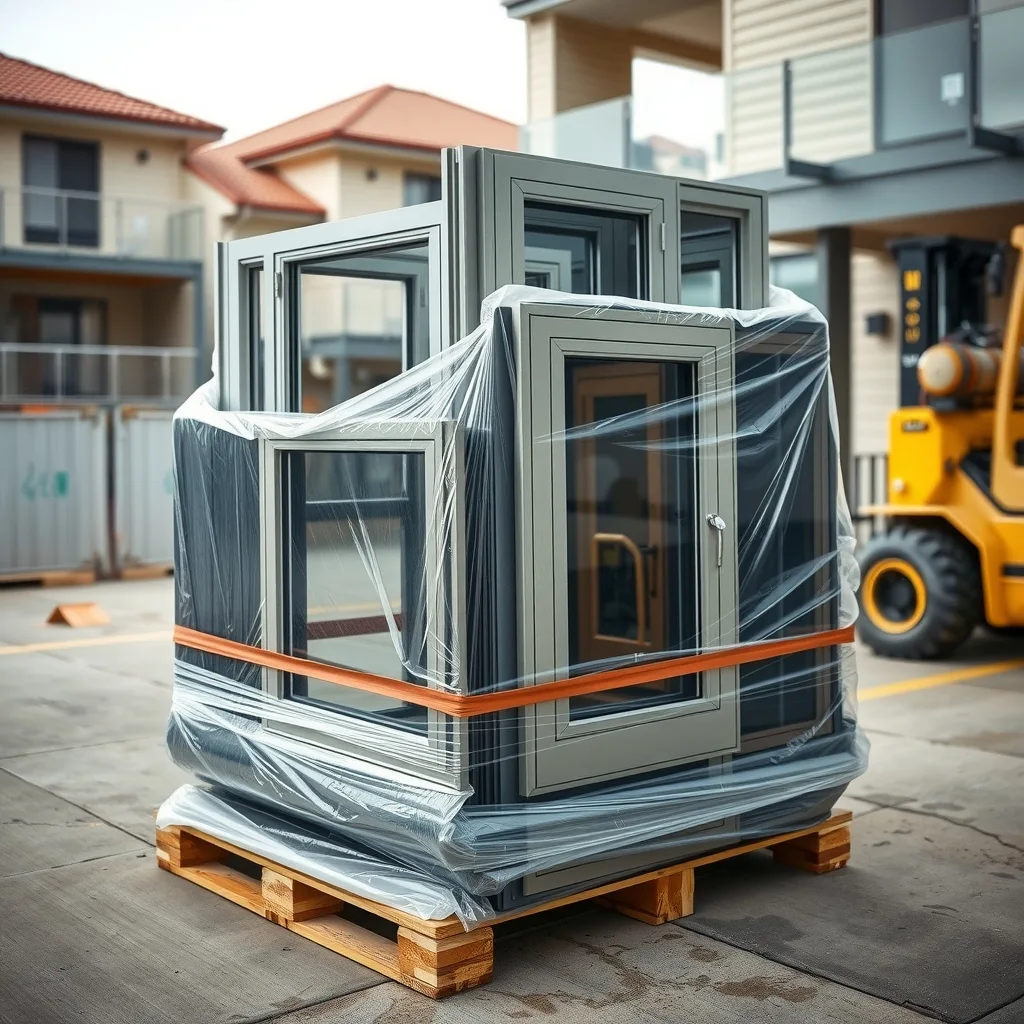
“Mums and Dads building a home pay the price.”
Windows aren’t a like-for-like swap
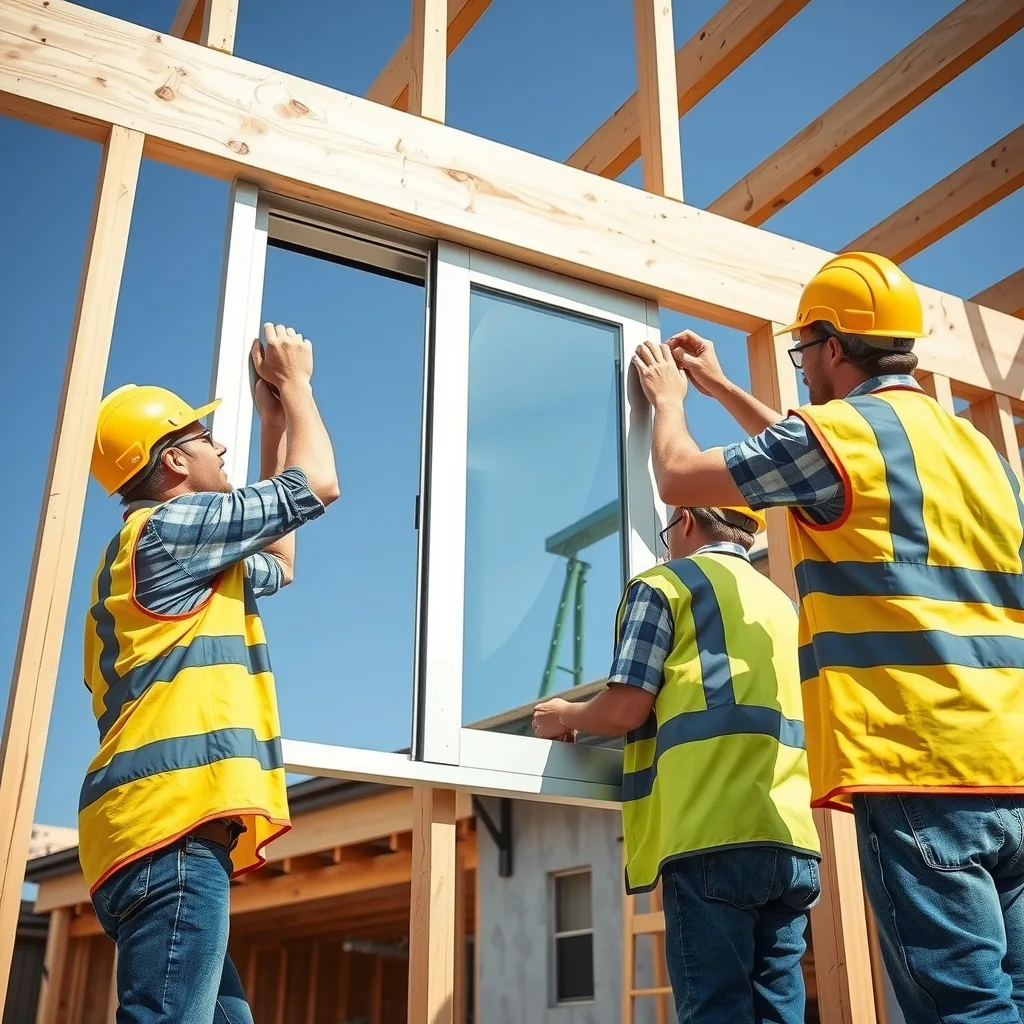
The submission’s technical argument is one every chippy and glazier on a job will recognise: windows get locked in early and everything else gets built around them.
“Window types are often locked in during the design stage and become embedded in a building’s architectural, engineering and façade,” Wawn said. “Changing products halfway through a project is rarely a simple substitution. It can trigger redesigns, additional compliance work, delays and significant extra costs.”
On site, that plays out in openings already framed to a set size, flashing and sill details drawn to a particular system, and glazing performance numbers baked into the energy assessment that got the job approved. Swap the supplier and you’re back to shop drawings, back to the certifier, and back in the queue.
The sequencing problem is the bit that costs real money. Windows in means lock-up, and lock-up is what lets the plasterers, the fitout trades and the second-fix crews start. Hold the glazing and you hold everyone behind it, whether or not the frames cost more.
Apartments are the pressure point
Master Builders argues the squeeze is tightest on high-density work, where demand for high-performance aluminium window and door systems more often exceeds what local manufacturers can supply.
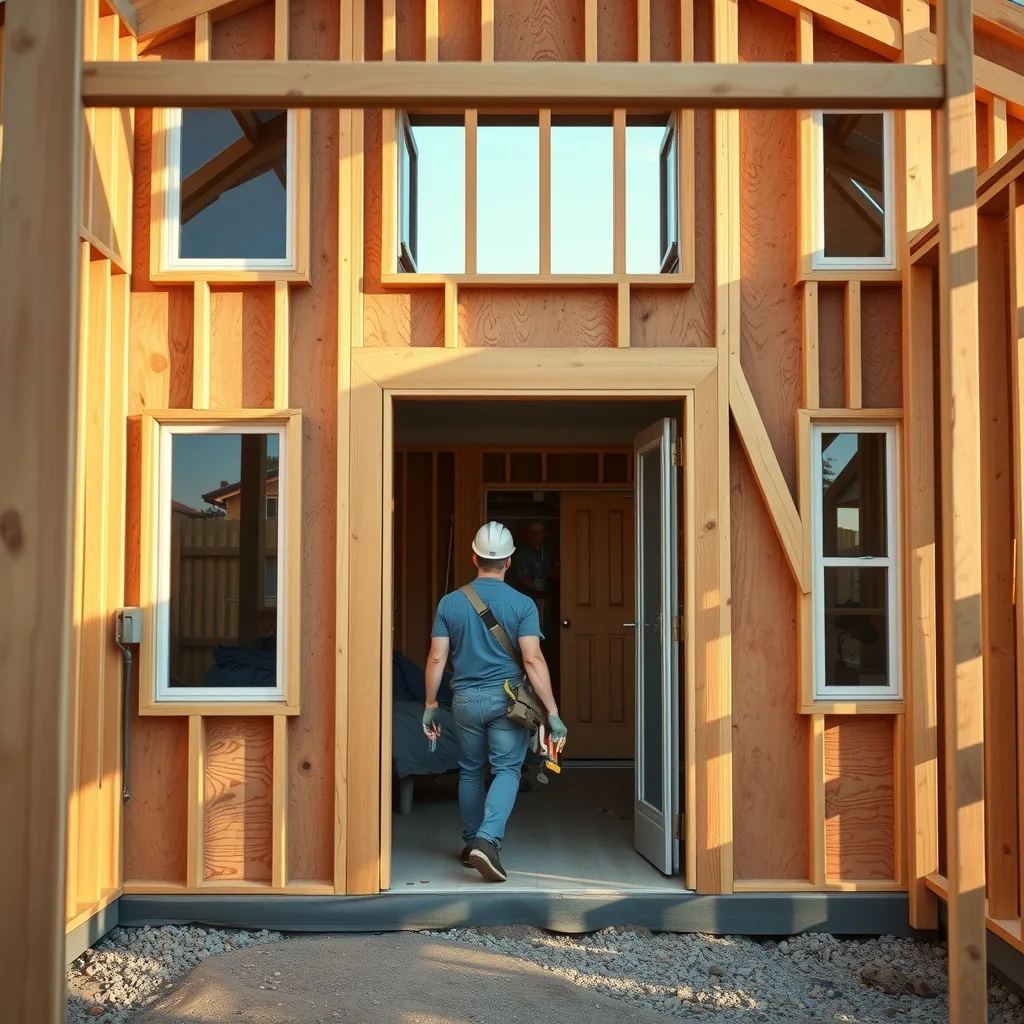
“If these tariffs proceed, builders delivering apartments and other high-density housing projects risk facing higher costs, project delays and reduced feasibility at a time when Australia is already struggling to build the homes it needs,” Wawn said. “This also includes Government funded social and affordable housing projects being delivered through the HAFF.”
Apartment feasibility is already a thin business. A tower that stacks up on today’s numbers is one that gets a crane, a formwork crew, a façade installer and a two-year run of fitout work. One that doesn’t stack up is a hole in the ground, or nothing at all.
Master Builders’ alternative is to go after local costs rather than import prices. Wawn said: “Domestic manufacturing is better supported through policies that don’t push up the cost of materials, but tackle local input costs, including energy prices, transport costs, regulation and taxes.”
What to watch
The Commission’s investigation is heading towards a recommendation, and the decision sits with the Minister for Industry. Worth noting that this is Master Builders’ own submission to that process, and submissions from domestic manufacturers arguing the other way form part of the same investigation.
For anyone pricing work now, the practical question is whether your quotes carry a materials escalation clause or a validity window short enough to matter. If you’re quoting apartment glazing, joinery install, or a fixed-price new build with imported AWD in the specification, the price you lock in this month may be the price you’re stuck with when the decision lands.
Frequently asked questions
Have the tariffs on aluminium windows and doors been decided yet?
No. The Australian Trade Remedies Commission is still investigating, and the final decision rests with the federal Minister for Industry.
How much could the tariffs add to building costs?
Master Builders Australia’s submission estimates the cost of imported aluminium windows and doors could rise by as much as 75 per cent if the tariffs go ahead.
Would all housing projects be affected equally?
Master Builders argues apartment and other high-density projects, including government-funded social and affordable housing delivered through the HAFF, would be hit hardest because they rely more on imported high-performance aluminium systems.
Sourced from Master Builders Australia, Australian Bureau of Statistics. Original article.