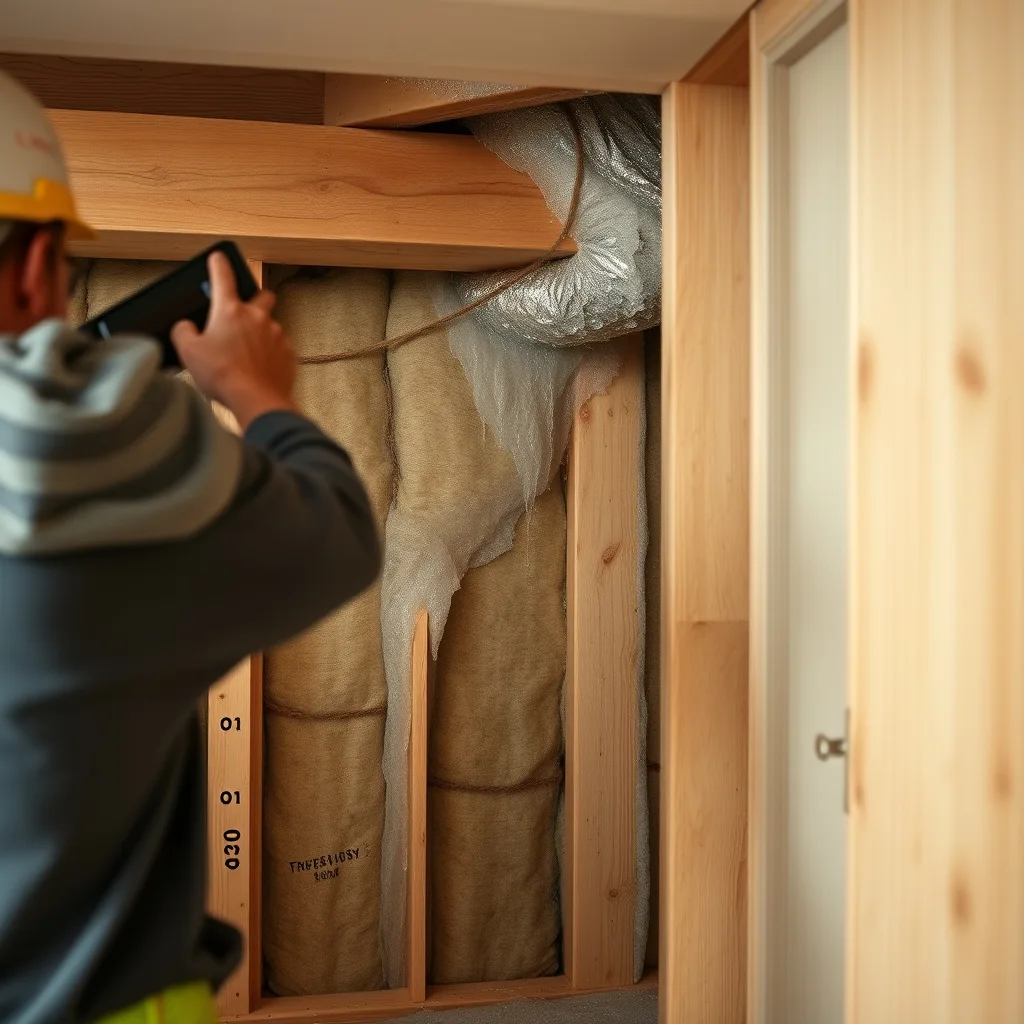

Australia’s push for energy-efficient, airtight homes is creating a moisture problem builders can’t afford to ignore, an industry forum heard last month.
At the HIA Futures Forum in Melbourne, Rob Petruzzi, technical director at sustainability-focused property developer HIP V. HYPE, warned that tighter building envelopes change how water vapour moves through a structure. Germany and Canada both experienced widespread mould problems as their housing sectors moved toward higher energy efficiency. Australia, he said, is heading down the same path.
The existing problem is already substantial. A 2016 Australian Building Codes Board report found around 40 per cent of new homes and buildings develop mould by their first winter. A separate Victorian analysis of water-related building disputes from 2018 to 2023 found the leading cause was direct water ingress, incomplete bathroom waterproofing and non-conforming roof plumbing. A significant number of cases, though, involved condensation from thermal bridging and poor air movement. That’s exactly where airtight construction makes things harder.
Petruzzi identified four sources of water vapour builders need to account for: outside rain and humidity; occupants breathing and sweating; bulk vapour from cooking, showering, and laundry; and latent vapour released slowly from wet towels, drying dishes, and pot plants. Each source demands a different ventilation response. Latent vapour, for instance, needs continuous ventilation day and night, not extraction fans that run for a few minutes.
Vapour moves through buildings two ways: diffusion through porous materials, and convection through gaps and cracks. Convection carries far more moisture than diffusion, so even small air leaks in a wall assembly matter. The relative position of each material layer in a wall or roof system also affects whether condensation forms at a critical interface. A vapour-permeable membrane in the wrong position doesn’t fix the problem.
The 2022 National Construction Code update introduced requirements covering wall construction, exhaust systems, roof ventilation, and condensation management verification. It’s not enough on its own. Petruzzi’s modelling of a standard NCC-compliant stud wall assembly in Melbourne conditions showed mould growth at the interface between the vapour-permeable membrane and outer insulation still exceeded expected limits.
For builders in Sydney, Melbourne, or other cooler climates, that’s a clear signal: code compliance is a floor, not a ceiling. Choosing the right ceiling insulation and getting the layering and ventilation strategy right at the design stage is what keeps moisture out of the wall system.
Frequently asked questions
Why do airtight homes have more condensation problems?
Tighter building envelopes restrict air movement, so water vapour from occupants, cooking, showering, and even pot plants has nowhere to escape. Convection through gaps and cracks is the main way vapour exits a wall system, and sealing those gaps for energy efficiency traps moisture instead.
Does meeting the NCC prevent mould in new homes?
Not necessarily. Modelling presented at the HIA Futures Forum showed a standard NCC-compliant stud wall assembly in Melbourne conditions still produced mould growth above expected limits. Experts say code compliance is a minimum, not a guarantee, and that layering and ventilation strategy need to be designed correctly from the start.
What are the main sources of water vapour inside a home?
Rob Petruzzi identified four: outside rain and humidity, occupants breathing and sweating, bulk vapour from cooking and showering, and latent vapour released slowly from wet towels, drying dishes, and pot plants. Each requires a different ventilation approach.
Sourced from Sourceable, Australian Building Codes Board, HIA Futures Forum. Original article.