
Fixing a dripping tap in Australia: washer change, cartridge, or call a plumber?
Some Australian states let you replace a tap washer yourself. Others don't. Here's what's actually involved, the legal position by state, and what it costs if you call a plumber instead.
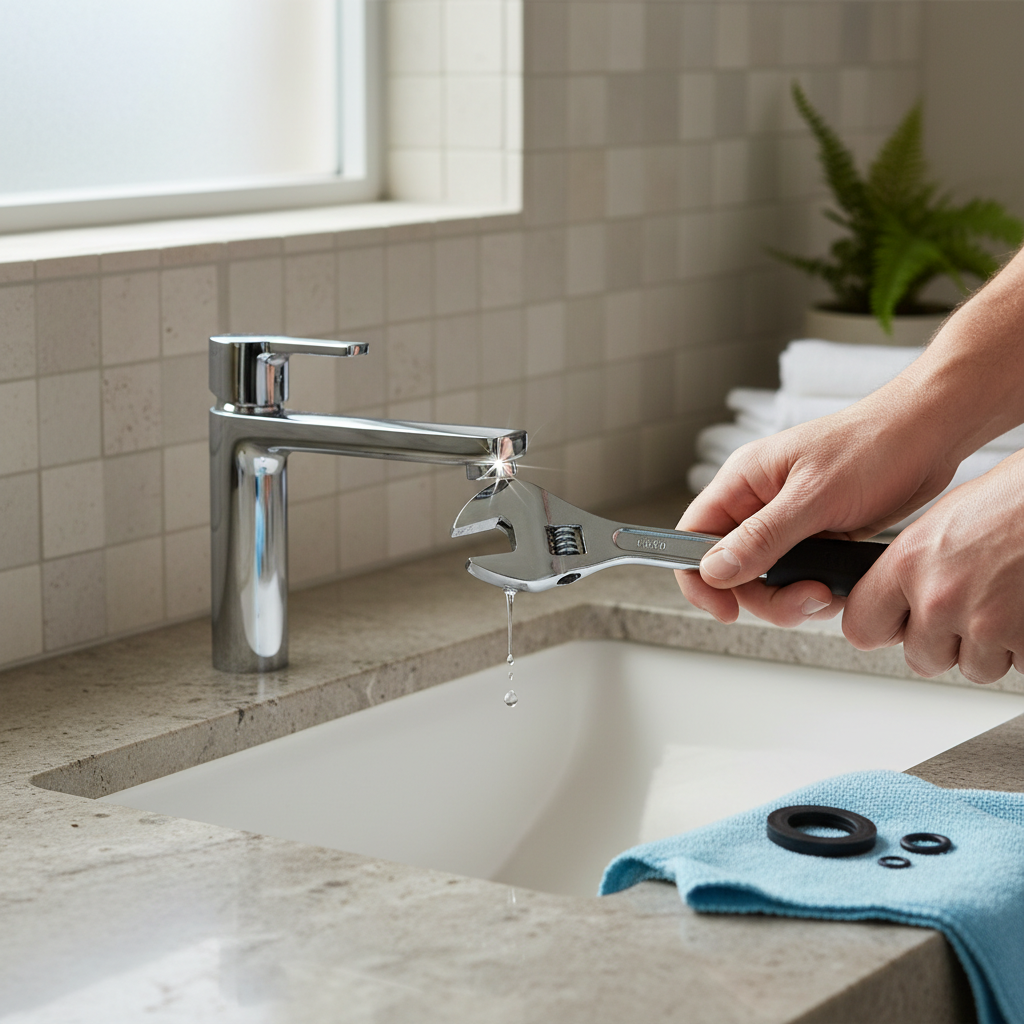
A dripping tap wastes 20,000 litres of water a year. It also drives most Australians mad, the sound, the limescale stain, the small but constant water bill. This guide explains what’s involved in fixing one, what the rules are state by state, and what to expect if you call a plumber.
Why this isn’t a step-by-step DIY guide
Plumbing exemptions for homeowners differ by state. NSW and QLD include “replace a tap washer” in their lists of minor work a homeowner can legally do at their own home. VIC’s regulations are stricter, the safest position is that any work involving the water supply requires a licensed plumber. The other states sit between these positions and the rules have tightened over time.
We don’t publish a one-size step-by-step because the rules vary and we don’t want to encourage anyone to do work that’s illegal in their state. The right approach: check your state’s current regulator guidance, then decide.
What’s going on inside a dripping tap
Two designs cover almost all Australian taps:
Compression tap (the old-fashioned style)
- Turn the handle, a spindle pushes a rubber washer onto a brass seat
- Drips when the washer wears, the seat pits, or the spindle thread strips
- Repair = new washer + sometimes seat re-grinding
- Parts: $2–$10 for the washer
Ceramic-disc cartridge tap / mixer
- One handle controls flow + temperature via a sealed ceramic cartridge
- Drips when the cartridge fails (usually 7–15 years)
- Repair = whole cartridge replacement
- Parts: $30–$120 for the cartridge, has to match the tap brand
You can usually tell which you have by the handle: separate hot/cold taps → likely compression; single lever → mixer/cartridge.
What the plumber does
A typical washer or cartridge job runs:
- Isolate the water (under-sink stop valve or main stop)
- Drain the line by opening the tap
- Remove the handle (usually a small grub screw or a screw under a cap)
- Unscrew the bonnet
- Pull the spindle (compression) or cartridge (mixer)
- Replace the washer + check the seat (compression) or fit a new cartridge (mixer)
- Reassemble, slowly turn the water back on, test for drips and leaks
- Adjust packing nut for smooth handle operation
Takes 20–40 minutes for a competent plumber. The job is fiddly because matching parts to the tap (especially older imported taps) sometimes means a trip to a plumbing supplier.
2026 cost ranges
| Job | Plumber cost (AUD) |
|---|---|
| Single compression tap washer | $120–$200 |
| Both hot and cold tap washers, same fitting | $150–$240 |
| Ceramic-disc cartridge replacement | $180–$280 (plus cartridge $30–$120) |
| Full tap or mixer replacement | $280–$600+ (plus the new tap) |
| After-hours / emergency | Add 50–100% |
| Seat re-grinding (where worn) | +$50–$80 per seat |
The DIY position by state (verify current rules)
The position changes; always verify with your regulator before starting.
- NSW. Tap washer replacement at your own home is permitted as minor plumbing
- QLD. Similar, washer replacement permitted
- VIC. All plumbing work generally requires a licensed plumber; very narrow exemptions
- WA. Limited homeowner exemptions; check with Building & Energy
- SA. Limited homeowner exemptions; check with CBS
- TAS, NT, ACT. Varies; verify
Even where it’s legal, doing your own washer changes voids many home insurance policies if water damage results. Read your policy before you DIY.
Why your DIY tap fix often fails
The #1 cause of “I changed the washer and it’s still dripping” is that the seat (the brass surface) is worn or pitted. A new washer presses against the same damaged surface and the drip continues. A plumber has a small re-grinding tool for the seat. Without one, the only fix is replacing the whole tap.
When to replace vs repair
Replace the whole tap if:
- It’s over 20 years old
- The chrome is pitting or flaking
- You’ve had it serviced twice and the drip keeps coming back
- You don’t like it
Otherwise repair is cheaper and faster. A licensed plumber can advise on the day.
A dripping tap is one of those jobs that can be a 20-minute fix or a four-hour replacement. If your state allows the DIY, the cost is $5 in parts and your afternoon, but the seat re-grinding is usually still licensed-only work. If you call a plumber, expect $150–$280 in business hours and a 90% chance the drip is gone in under an hour.
Frequently asked questions
Can I legally change a tap washer myself in Australia?
It depends on your state. NSW and QLD have explicit exemptions for replacing a tap washer in your own home. VIC's regulations are stricter and the safe answer is to use a licensed plumber. WA, SA, TAS, NT, and ACT vary. Always check the latest position with your state regulator before you start, the position has tightened in some states over recent years.
Why is my tap dripping even after a new washer?
Usually the seat (the brass surface the washer presses against) is worn or pitted, not the washer. A worn seat needs re-grinding with a seat-cutting tool, or in modern mixer taps, the whole cartridge replaces both the washer and seat. Licensed plumber territory in most cases.
How much does a plumber charge to fix a dripping tap?
$120–$280 for a washer or cartridge replacement during business hours. Add 50–100% for after-hours. A new tap or mixer is $200–$600 plus the cost of the tap itself.
How long should a tap washer last?
5–15 years in domestic use depending on water quality, water pressure, and how the tap is operated. Over-tightening kills washers fast.