
Why hot water systems fail in winter, and how to stop the callbacks
Demand spikes, the gear works harder, and the weak points show up. A few checks on the job save the 6am phone call.
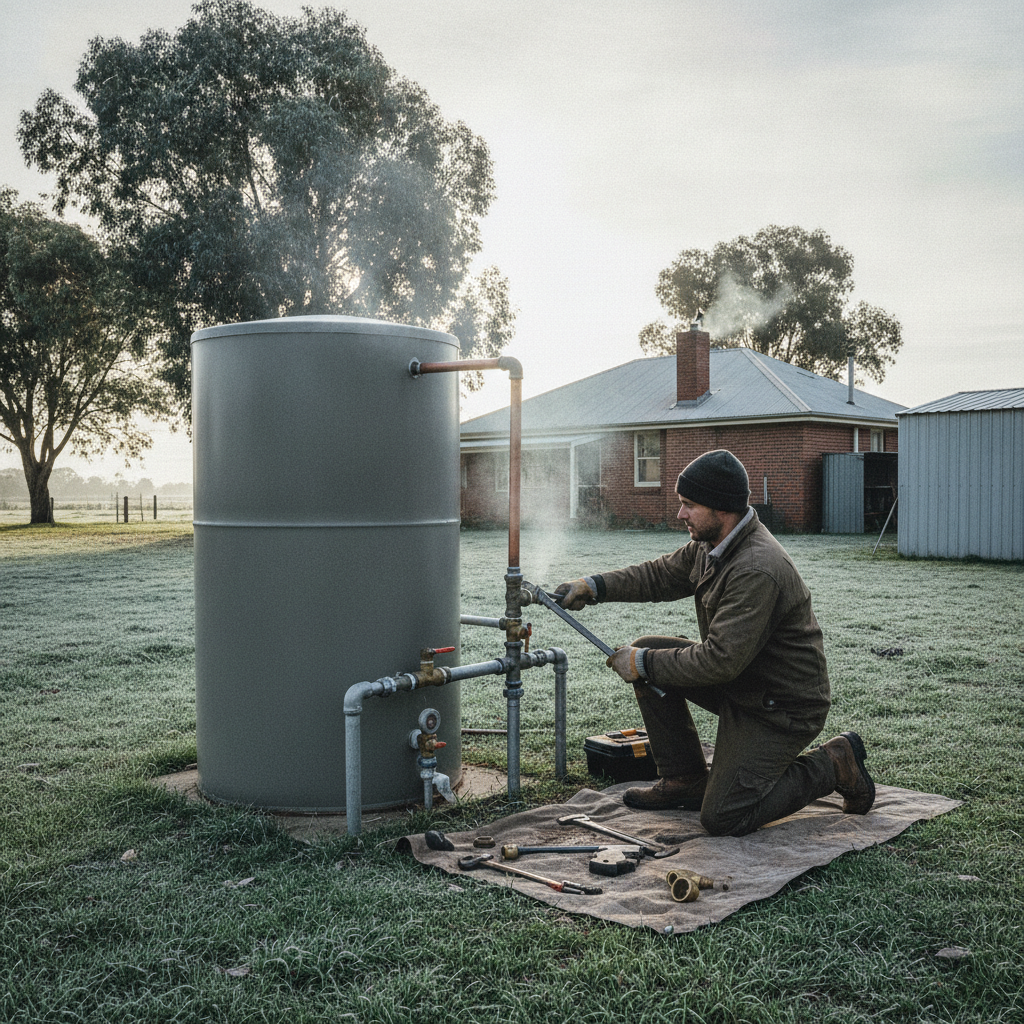
Every plumber knows the pattern. The first proper cold snap hits and the phone starts. No hot water, not enough hot water, or water that runs lukewarm by the second shower. It is rarely a coincidence. Winter is simply when a hot water system gets pushed hardest, and the parts that were already tired give up.
Why winter is the breaking point
Two things happen at once. The incoming water is colder, so the system has to work harder and longer to reach temperature, and the household is using more of it. A unit that coped through summer with a marginal element, a sticking valve or a flat anode suddenly cannot keep up. The fault was always there. The cold weather just exposed it.
The usual suspects
On electric storage, it is often a failed element or thermostat, and a flat sacrificial anode that has let the tank corrode. On gas, look at the pilot, ignition and burner before anything else. Across both, two valves cause a lot of grief: a tempering valve that has seized and is no longer blending correctly, and a pressure and temperature relief valve that has started weeping. Heat pump systems have their own quirk, since their efficiency drops in cold ambient air, so a unit sized tight for the household will struggle on the coldest mornings.
The checks that prevent the callback
A short service list catches most of it. Test and, if needed, replace the tempering valve. Lift and reseat the relief valve and check it is not constantly dripping. Inspect the anode on storage tanks and quote a replacement if it is spent. Check the insulation on exposed hot pipe runs, because heat lost in the wall cavity is heat the system has to make twice. None of it is glamorous, and all of it is cheaper than an emergency call-out.
What it means for the trade
A ten minute winter check turns a future 6am emergency into a planned, paid maintenance visit. Customers remember the plumber who warned them before the system died, not the one who turned up after. Going into the cold months, it is worth flagging to regulars that a quick service now beats a cold shower later.
Frequently asked questions
Why do hot water systems fail more in winter?
Incoming water is colder so the system works harder and longer, and households use more hot water. A unit with a tired element, sticking valve or flat anode that coped in summer can no longer keep up.
What should a winter hot water service check?
The tempering valve, the pressure and temperature relief valve, the sacrificial anode on storage tanks, and the insulation on exposed hot pipe runs. On gas, check the pilot, ignition and burner.