
Cost of double glazing in Australian homes, 2026 prices and worth analysis
Double glazing cuts heat loss by 30 to 50% versus single glazing. Here's what it costs to install in Australian homes in 2026 and whether the payback maths works for your climate.
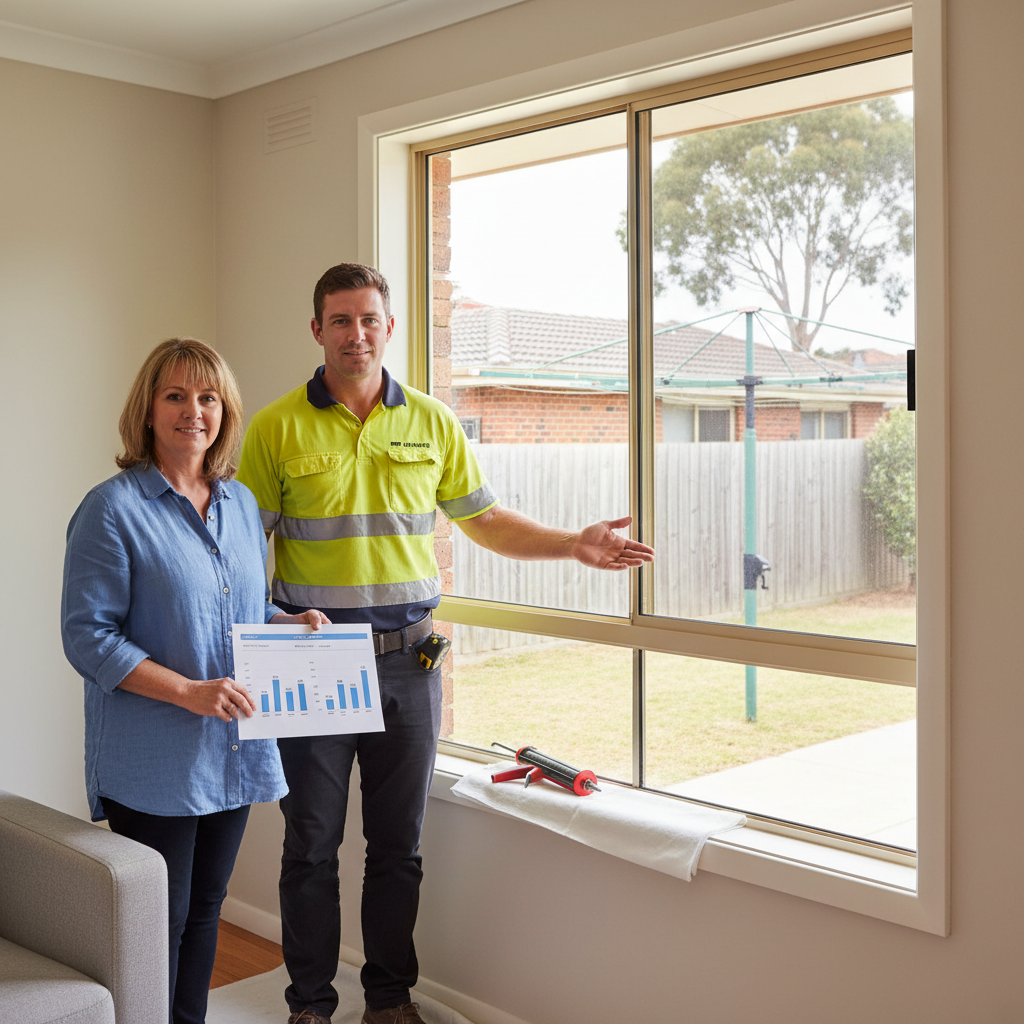
Double glazing is mainstream in cold climates (Europe, Canada, NZ) but still patchy in Australia. The reason is partly climate (most of Australia is mild enough that single glazing works), partly cost. In 2026 with rising power prices, the maths is shifting.
What you get with double glazing
- 30 to 50% reduction in heat loss through windows
- 30 to 50% reduction in heat gain in summer
- 20 to 40% reduction in outside noise
- Eliminates condensation on windows in winter
- Eliminates the cold draught feeling near windows in winter
- Reduces UV fading of furniture and floors
A house with single-glazed windows typically loses 30 to 40% of its heating through windows. Double glazing cuts this in half.
Cost breakdown by frame type
| Frame | Performance | Cost installed (AUD/m²) | Best for |
|---|---|---|---|
| Aluminium (not thermally broken) | Worst | $600 to $900 | Budget-driven, hot tropical climates |
| Aluminium (thermally broken) | Good | $800 to $1,400 | Most new builds in cool climates |
| uPVC | Best thermal | $900 to $1,800 | Best for cold climates, modern look |
| Timber | Good | $1,200 to $2,500 | Heritage homes, character buildings |
| Composite (timber + aluminium) | Excellent | $1,500 to $3,000 | Premium new builds |
Realistic project totals
| House size | Window area (m²) | Replacement cost (AUD) |
|---|---|---|
| 3-bed unit / townhouse | 20 to 25 | $15,000 to $35,000 |
| Standard 4-bed house | 30 to 45 | $20,000 to $60,000 |
| Large 5-bed family home | 45 to 65 | $35,000 to $100,000 |
| Premium heritage with timber | 30 to 45 | $40,000 to $90,000 |
Plus structural alterations if the new frame size differs from the existing.
Payback analysis by climate
Energy savings depend on climate. Approximate payback (years to recover cost in energy savings):
| Location | Annual energy saving | Payback period |
|---|---|---|
| Hobart, Tasmania highlands | $1,500 to $3,000 | 8 to 12 years |
| Canberra, alpine VIC | $1,200 to $2,500 | 10 to 14 years |
| Melbourne metro | $900 to $2,000 | 12 to 16 years |
| Sydney coastal | $600 to $1,400 | 15 to 22 years |
| Adelaide | $700 to $1,500 | 14 to 20 years |
| Brisbane | $500 to $1,100 | 18 to 28 years |
| Perth | $700 to $1,500 | 14 to 22 years |
| Darwin, Cairns | $400 to $900 | 25+ years |
For Hobart and the alpine regions, double glazing is a clear winner. For Darwin and tropical north, deep eaves and shading is more cost-effective than double glazing.
The ‘comfort dividend’ that doesn’t show in payback maths
Energy bill savings are only half the value. The other half is:
- No more cold spots near windows in winter
- No more condensation, which means no more mould around window frames
- Reduced traffic noise
- More even room temperatures
- Better sleep in noisy areas
- Reduced UV fading of carpets and furniture
For homeowners staying long-term, the comfort dividend is often the bigger reason to install.
Cheaper alternatives that capture most of the benefit
If full replacement is out of budget:
- Secondary glazing ($200 to $500/m²): a second pane fitted to the inside of existing windows. Captures 60 to 70% of double-glazing performance for 30% of the cost.
- Window film ($30 to $80/m²): solar-control or insulating film applied to existing glass. Captures 15 to 25% of insulation benefit, more for solar gain reduction.
- Heavy curtains with pelmets ($800 to $2,500 per window): cuts heat loss by 30 to 40% from a closed curtain at night. Best DIY option.
- Internal insulating shutters or blinds ($500 to $1,500 per window): better than curtains, less than glazing.
- Replace just the worst windows (north and south facing, or bedrooms only): captures 60 to 80% of the benefit for 30 to 50% of the cost.
State rebates and incentives
Some state programs include window upgrades:
- VIC Solar Homes: has at times included window upgrades for rebates
- ACT Sustainable Household Scheme: zero-interest loans cover window upgrades
- NSW Energy Savings Scheme: not currently focused on residential windows
Check current programs before committing. Programs change annually.
Hiring a window installer
Window installation is licensed work in most states (the structural alteration and waterproofing are regulated). Verify:
- Builder or trade contractor licence appropriate to the state
- WERS rating (Window Energy Rating Scheme) on each window
- Manufacturer warranty (10 years minimum on seal failure)
- Installation warranty (5 years minimum)
- Fixed quote including disposal of old windows
Get three quotes. The window market in Australia is competitive but inconsistent, prices can vary 30 to 50% for similar specifications.
Bottom-line answer
Double glazing in 2026 is worth it in cool to cold climate zones (Zones 6, 7, 8). In mild climates (Zones 4, 5), secondary glazing or heavy curtains usually have better payback. In hot tropical zones (Zones 1, 2), single glazing with shading and ventilation typically beats double glazing on cost-effectiveness.
Beyond pure payback maths, the comfort dividend is real and material for long-term residents in any climate.
Frequently asked questions
How much does double glazing cost in Australia?
$600 to $1,200 per square metre for aluminium-framed double-glazed windows supplied and installed. $900 to $1,800/m² for uPVC framing (best thermal performance). $1,200 to $2,500/m² for timber framing. A typical 4-bed house has 30 to 50 m² of windows, total $20,000 to $80,000 for full replacement.
Is double glazing worth it in Australia?
Climate-dependent. In Hobart, Melbourne, Canberra (cool climates), yes, payback 8 to 15 years with energy savings plus comfort. In Sydney, Adelaide, Brisbane (mild climates), payback stretches to 15 to 25 years. In Darwin, Cairns (hot tropical), single glazing with deep eaves is often more effective.
Can I retrofit double glazing to existing windows?
Two options. <strong>Full replacement</strong>: remove old windows, fit new double-glazed units. Most effective. <strong>Secondary glazing</strong>: a second pane fitted to the inside of the existing window. Cheaper ($200 to $500/m²), less effective, easier to install. For older homes with character windows you don't want to lose, secondary glazing is the right move.
uPVC vs aluminium vs timber for double glazing?
uPVC has the best thermal performance (low conductivity in the frame itself). Aluminium is the worst (conducts heat freely) unless thermally broken. Timber is mid-range and looks the best in heritage homes. Most cost-effective for new installs: uPVC double-glazed. Most aesthetic for heritage: timber double-glazed.