
Construction can finally start on TasNetworks’ North West Transmission Developments (NWTD). The Tasmanian Civil and Administrative Tribunal has upheld the project’s planning permit, ending an appeal lodged in March 2026 that had blocked work on the 129km stage one line running from Cressy to Burnie via Sheffield. Head contractor Genus is set to receive notice to proceed once final administrative steps are done.
The decision was reported by Energy Magazine, which describes NWTD as the network operator’s largest project to date. The appeal to TASCAT had stopped construction activities from going ahead while it was on foot.
TasNetworks NWTD project director Richie Sheather said the ruling put the job back on solid ground.
“After years of planning, we can now move forward with certainty and focus on delivering this important infrastructure for Tasmania,” he said.
Sheather said the tribunal’s finding backed up the earlier planning assessment, which had found the project met Tasmania’s regulatory requirements, managed environmental and community impacts appropriately, and could be delivered safely.
“We look forward to issuing notice to proceed to our head contractor Genus very soon, following final administrative requirements,” he said.
What stage one puts in the ground
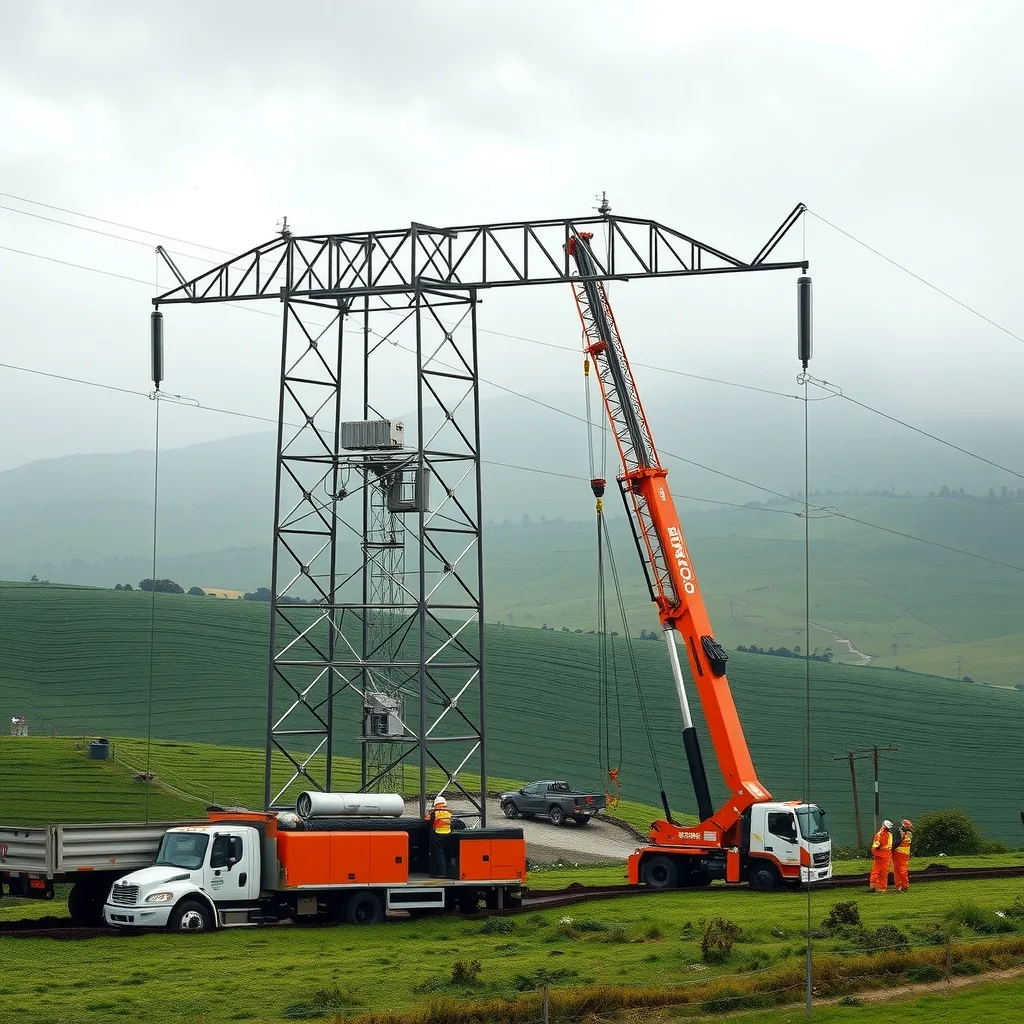
Stage one of the North West Transmission Developments covers 129km of new and upgraded transmission line between Cressy and Burnie via Sheffield, plus new substations and a switching station, Energy Magazine reported in August 2026. Alongside the new build, the outlet’s own photo caption records TasNetworks refurbishing an ageing 71km transmission corridor.
That mix matters for anyone pricing work off it. New line and brownfield refurbishment are different animals: one is greenfield access, foundations and structures across farmland, the other is working around live plant with outage windows dictating when crews can touch anything.
Sheather framed the build in terms of what it’s meant to deliver.
“TasNetworks is building NWTD for Tasmanians who want the lowest possible future prices, strong climate action, clean energy careers, and enough clean energy for Tasmania and Australia’s future,” he said.
The work underneath the announcement
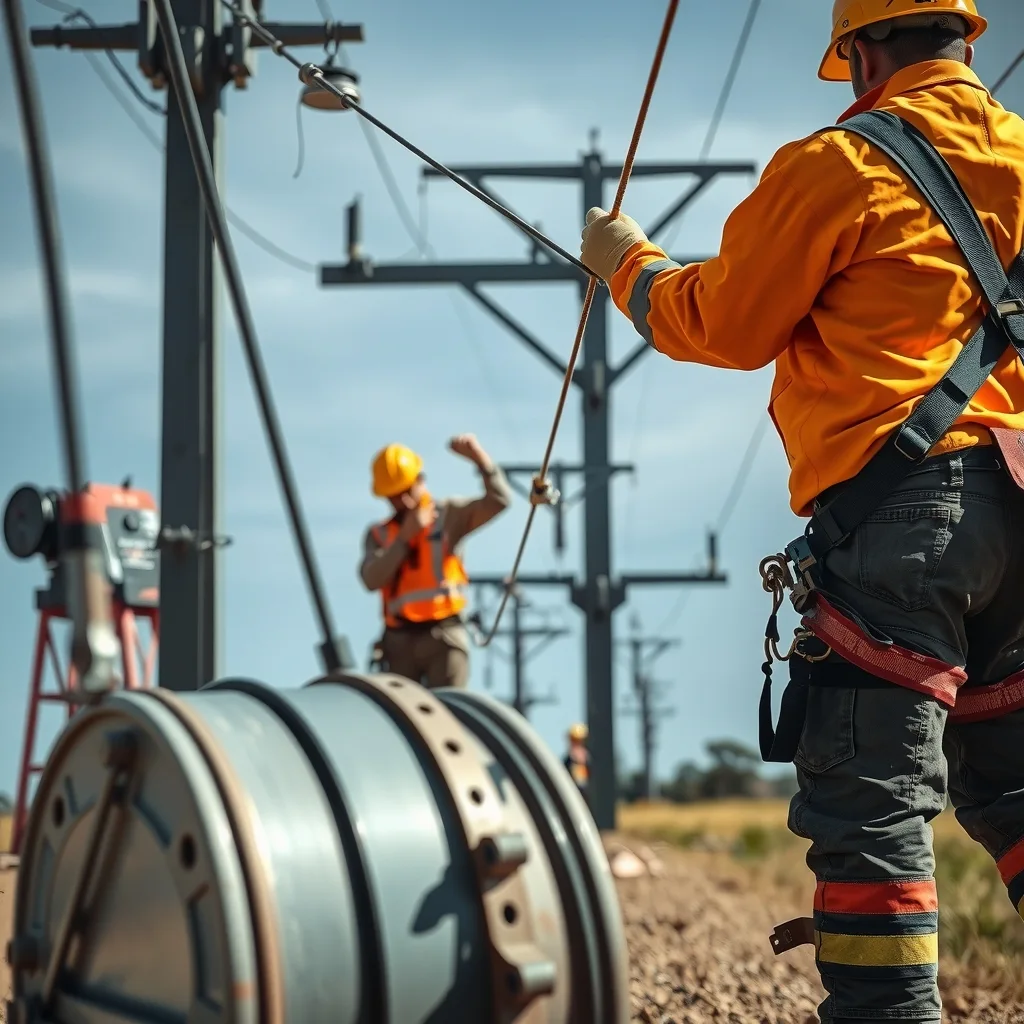
A transmission corridor isn’t one job, it’s a rolling train of them, and they arrive in order. Access tracks and pads come first, because nothing else lands on site until a crane and a concrete truck can get to the structure locations. Then earthworks and foundations, then structure assembly and erection, then the stringing crews pulling conductor between them.
Substations and a switching station run on their own clock beside that. Civil and structural steel, then the primary plant, then the protection and control fit-out, cable schedules, testing and commissioning. The commissioning end is where the electrical licensing requirements and high-voltage tickets bite hardest, and it’s usually the part that decides whether an energisation date holds.
The useful thing about a linear job like this for a subbie is that it moves. Crews chase the front along the corridor rather than sitting on one site for two years, which changes the accommodation and travel maths for anyone based outside the north west. Tasmania’s site safety regulator, WorkSafe Tasmania, oversees the construction end of that work.
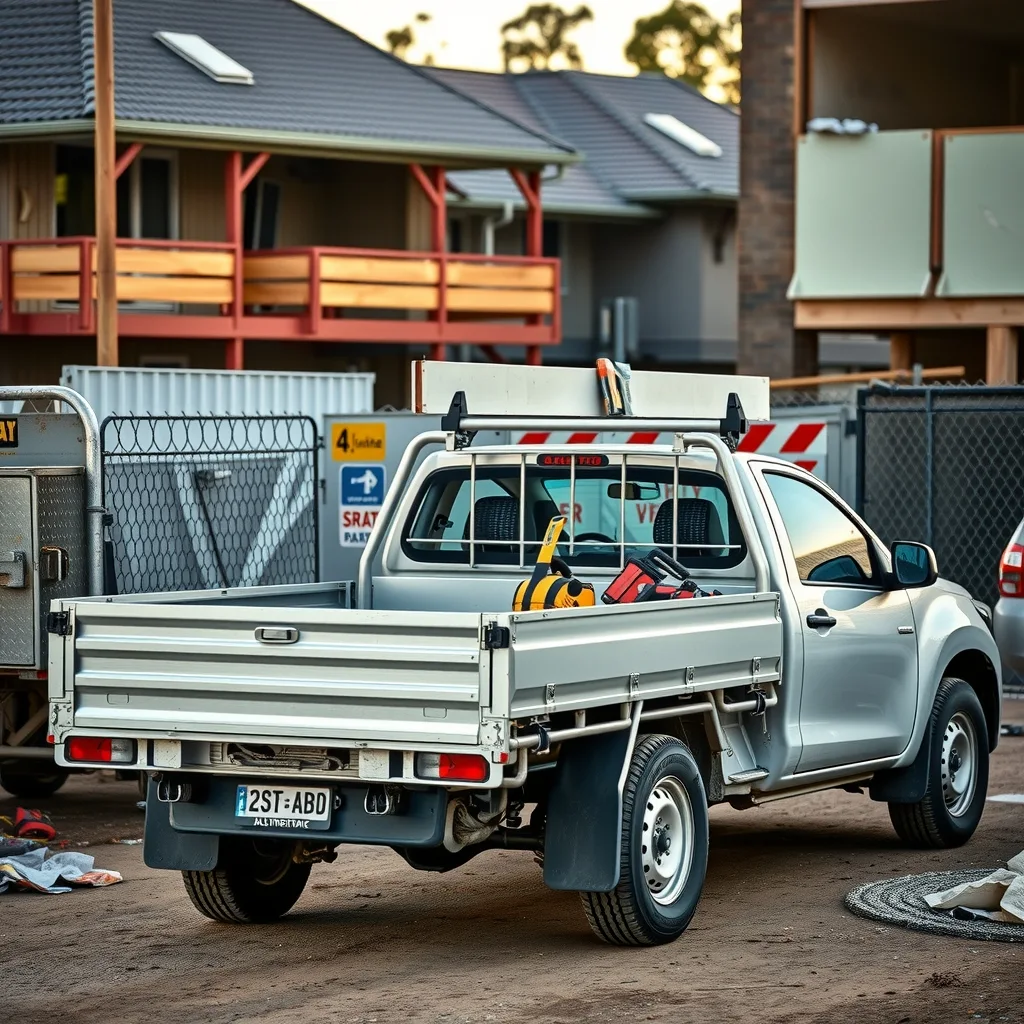
One caution before anyone repaints the ute. TasNetworks has not yet issued notice to proceed, and the source article gives no contract value, no start date, and no workforce numbers. Until Genus has that notice in hand, the packages underneath it aren’t real work, they’re a pipeline.

Marinus Link is the other half of the story
NWTD is being built to connect with Marinus Link, the 345km interconnector planned across Bass Strait to give the National Electricity Market access to Tasmanian resources when they’re needed.
Marinus Link takes in a fibre-optic cable and two HVDC cables running about 255km across the strait. From the Victorian shoreline, the route continues another 90km from Waratah Bay to a converter station at Hazelwood in the Latrobe Valley.
That’s the reason the Tasmanian transmission spine has to be upgraded first. There’s no point landing an interconnector on the north west coast if the network behind it can’t carry what comes ashore.
What to watch
The next hard milestone is the notice to proceed to Genus. That’s the trigger for subcontract packages, and it’s the date worth watching if you’re in civil earthworks, structural steel, high-voltage cabling or substation commissioning anywhere in northern Tasmania.
After that, the questions that decide whether local crews get a look in are the ones the source doesn’t answer yet: how the packages are split, whether the head contractor brings its own line crews from the mainland, and how long the corridor front takes to move from Cressy to Burnie.
Frequently asked questions
What is TasNetworks’ North West Transmission Developments project?
It’s a 129km new and upgraded transmission line running between Cressy and Burnie via Sheffield, alongside new substations, a switching station and the refurbishment of an ageing 71km transmission corridor.
Why was construction on the project delayed?
An appeal lodged with the Tasmanian Civil and Administrative Tribunal (TASCAT) in March 2026 halted construction activity until the tribunal upheld the project’s planning permit.
When will work start?
TasNetworks says it will issue notice to proceed to head contractor Genus soon, once final administrative requirements are completed. No start date, contract value or workforce numbers have been released.
How does this project relate to Marinus Link?
NWTD is designed to connect with Marinus Link, the planned 345km Bass Strait interconnector, so Tasmania’s transmission network can carry power to and from the national grid.
Sourced from Energy Magazine. Original article.