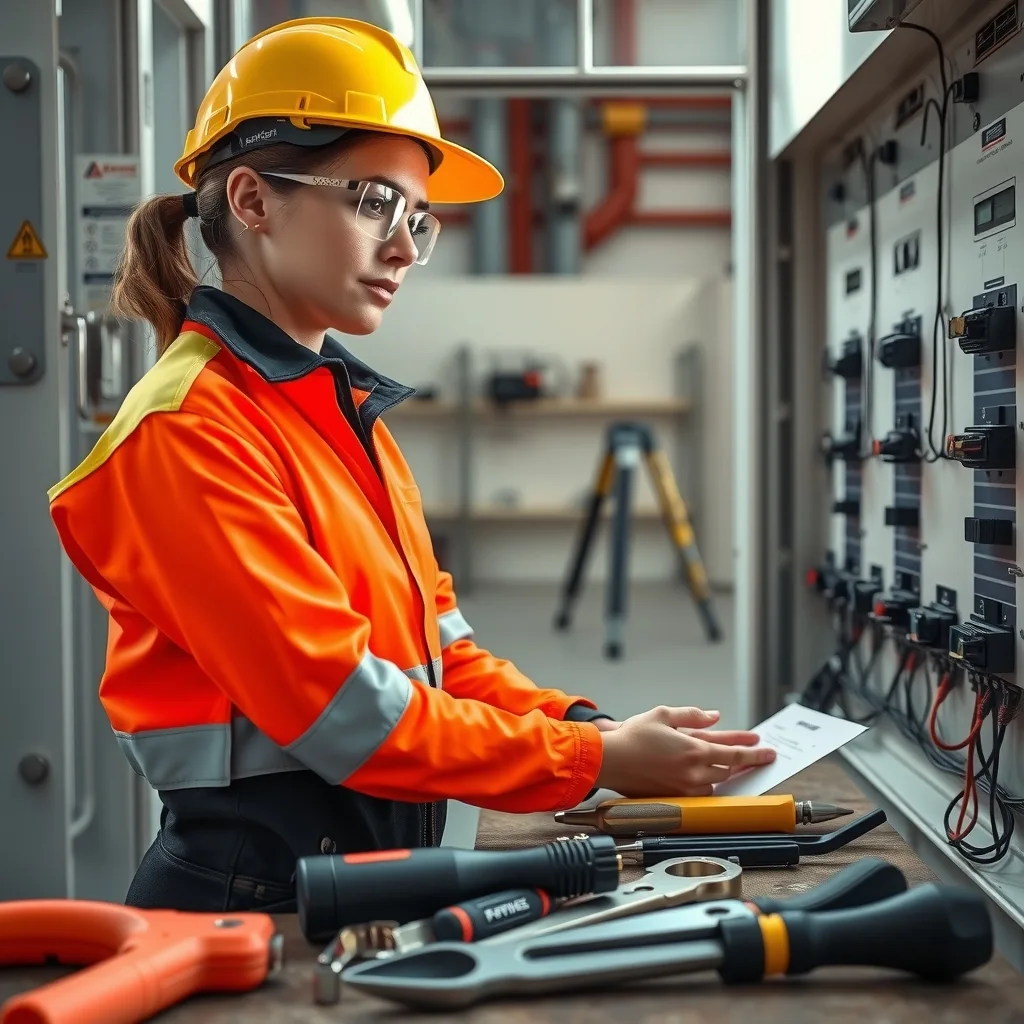

Australia will need 42,000 additional licensed electricians and around 30,000 additional energy trades workers by 2030 to carry the net zero transition, according to the Electrician Workforce Capacity study by Powering Skills Organisation, which found women make up just 4% of the current electrician workforce and urged electrical businesses to hire beyond their usual talent pool.
The study was reported by Electrical Connection, which noted demand for skilled workers keeps outpacing supply.
That 4% figure is the one worth writing down. It means for every 25 sparkies on Australian tools, roughly one is a woman, while the workforce is being asked to add tens of thousands of licensed hands inside five years.
Free support on offer for Victorian and Tasmanian employers
Future Energy Skills is recruiting electrical employers in Victoria and Tasmania through its Powering Women into Clean Energy Apprenticeships project. To take part, a business needs to employ, or be looking to employ, a first- or second-year female apprentice.
Participating businesses get free tailored workforce support, including WHS advice, staff development and wellbeing support, along with practical tools, templates and policies.
The program also covers attracting, onboarding and retaining apprentices, plus guidance on supervision, workplace culture and career pathways, and businesses can pick up promotion and industry recognition. What each employer receives depends on the gaps they identify: policy reviews, workplace climate surveys, leadership development or staff training.
A limited number of places remain.
The pitch is aimed at firms with no HR department
Future Energy Skills project lead Genevieve Walton says the program exists because the businesses doing the hiring are flat out.
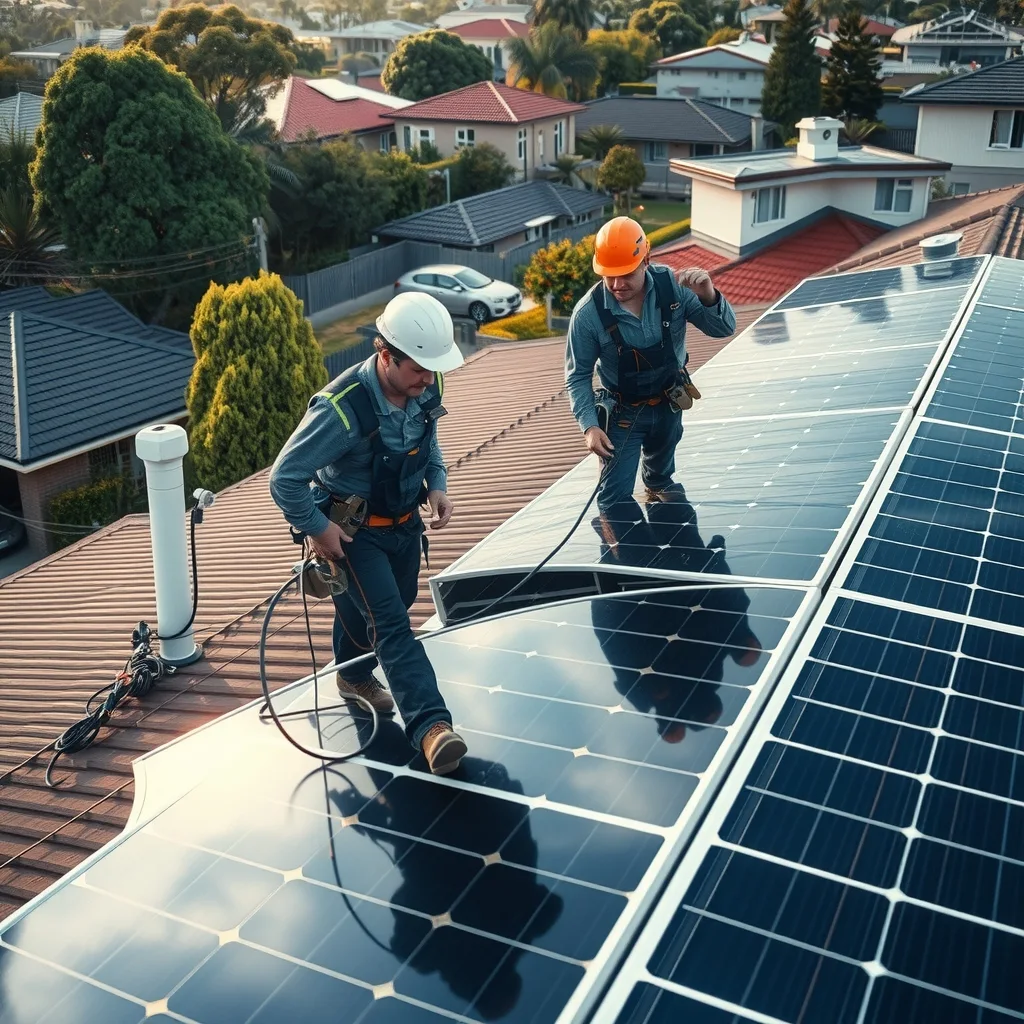
“Electrical businesses are extremely busy, and while they may want to build a more inclusive workplace, smaller organisations may not have the time, HR function or money to focus on it,” she says.
That’s the shape of most of the industry. A two-van outfit with a bookkeeper in one day a week hasn’t got someone whose job it is to write an onboarding process or run a workplace survey between quoting and chasing invoices.
Walton says the project is built to fill that gap.
“The Powering Women into Clean Energy Apprenticeships project provides free support for these businesses to assess where they are at, identify any gaps such as psychosocial safety requirements, inclusive recruitment practices or onboarding processes and implement changes.”
Research run through the project identified practical measures on apprentice attraction, retention and workplace culture, and those findings became the free tools now offered to employers who sign up.
Psychosocial safety, the first gap Walton names, isn’t a soft-skills exercise. It sits with state work health and safety regulators, and what applies to your business depends on your jurisdiction, so check with SafeWork or WorkSafe in your state rather than assuming the rule you heard on a Sydney job travels to Hobart.
Why 42,000 licences can’t be conjured in a hurry
Here’s the part that lands on the tools. Fixed electrical wiring work requires a licensed electrician in every Australian state and territory. There’s no jurisdiction where an unlicensed hand can legally do the wiring, so every one of those 42,000 extra electricians has to come out the far end of an apprenticeship: supervised, on somebody’s payroll, for years before they’re billing as a tradesperson.
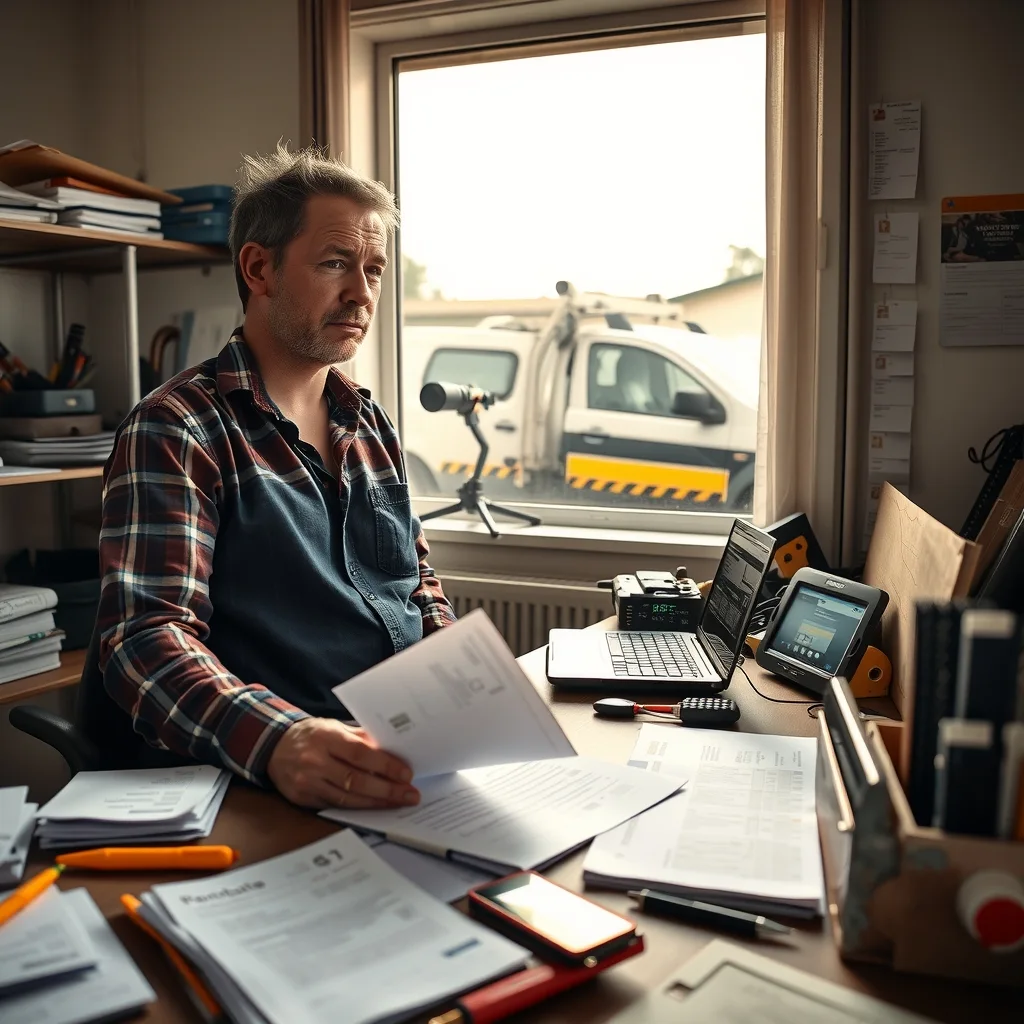
A good slice of the net zero work driving the demand sits behind a second gate. Solar PV and battery installations must be performed by an accredited installer for the owner to claim federal small-scale certificates. The pipeline problem isn’t only “more sparkies”, it’s more sparkies who then go and get accredited on top of the licence.
Stack that against a workforce where women are 4% of electricians. If 96% of the pool stays the whole pool, the shortfall gets closed by poaching, and poaching is what shows up in your labour line when you’re pricing work in 2029.
What it means when you’re deciding on an apprentice
The timing question for a small firm hasn’t changed. An apprentice you sign this year isn’t productive tomorrow and won’t be a fully licensed hand on your books for years. An apprentice you don’t sign is a hole you’re trying to fill later from a tighter market, at whatever the rate is then.
What the Future Energy Skills offer changes is the cost of getting the surrounding stuff right: the recruitment ad that doesn’t quietly filter out half the applicants, the first-week induction, the supervision arrangement that keeps a first-year from walking at month four. Retention is the cheap end of a skills shortage. Recruiting a replacement apprentice is the expensive end.
If you run an electrical business in Victoria or Tasmania and you’ve been meaning to take on a first- or second-year, the places in this round are limited and the support is free. Worth a look before the 2030 numbers turn into a bidding war for the same licensed hands everyone else is chasing.
Frequently asked questions
How many more electricians does Australia need by 2030?
About 42,000 additional licensed electricians and around 30,000 more energy trades workers, according to the Powering Skills Organisation’s Electrician Workforce Capacity study.
What percentage of Australian electricians are women?
Just 4%, according to the same study.
Who can take part in the Powering Women into Clean Energy Apprenticeships project?
Electrical employers in Victoria and Tasmania who employ, or are looking to employ, a first- or second-year female apprentice, can apply for free workforce support through Future Energy Skills.
Can an unlicensed person legally do fixed electrical wiring work in Australia?
No. Every state and territory requires a licensed electrician for fixed wiring work.
Sourced from Electrical Connection, Powering Skills Organisation, Future Energy Skills. Original article.