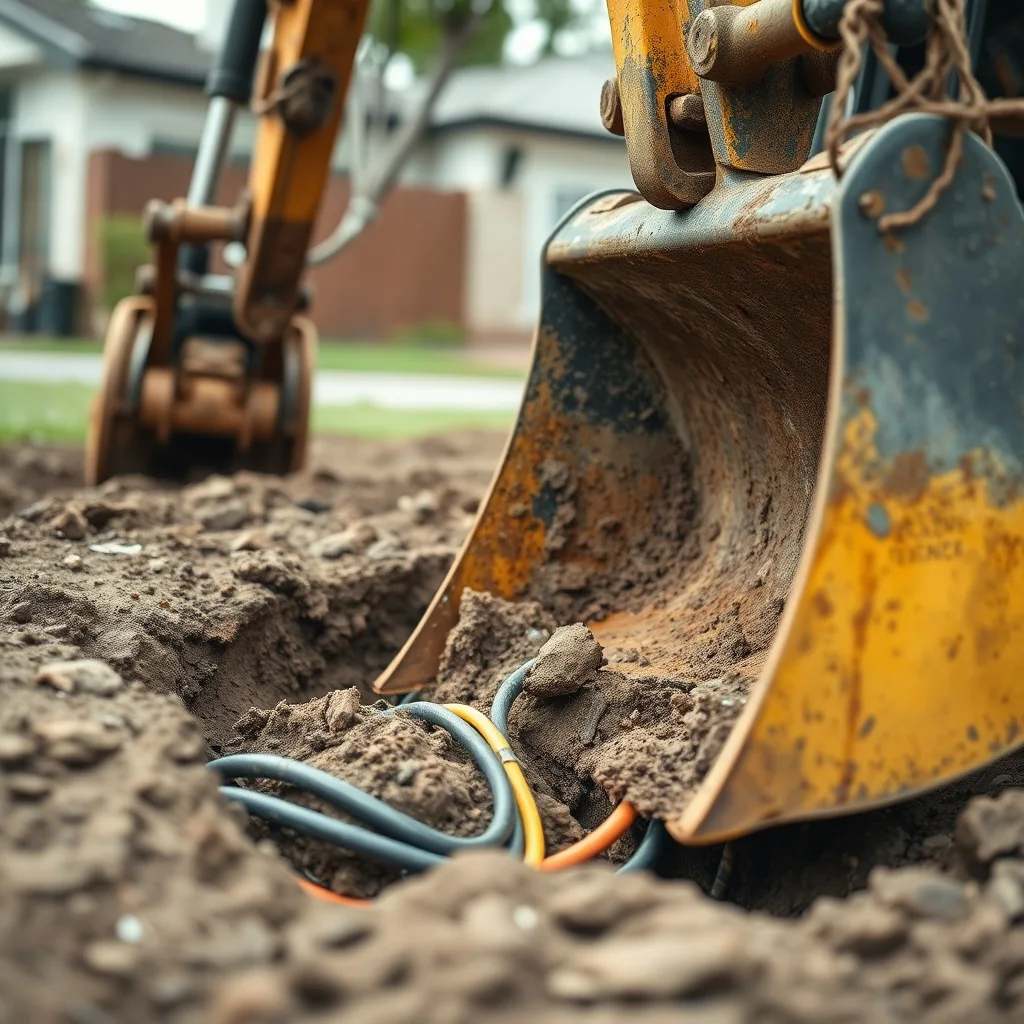

Australia records more than 15,000 underground utility strikes every year, one every 20 minutes during working hours, and the organisation behind the nation’s pre-excavation referral service says the regulatory framework hasn’t kept pace with the risk.
Before You Dig Australia (BYDA) has lodged a submission to the Federal Government’s Productivity Commission National Water Reform 2026 Public Inquiry, pushing for excavation damage prevention to be recognised as a core pillar of water infrastructure resilience. Inside Construction confirmed the three-pronged reform agenda: mandatory amendments to WHS, electricity and gas regulations; improved underground asset data standards; and tighter regulatory coordination across all states and territories.
BYDA CEO Mell Greenall put it plainly: “The next fatality or outage will not be a surprise. It will be a choice.”
The numbers behind that statement are stark. Those 15,000-plus annual strikes cost the national economy an estimated $4.6 billion through project delays, service disruptions and productivity loss. BYDA says mandatory pre-excavation enquiries nationwide could save $322 million per year, and that improving underground asset data quality and access could save a further $782 million annually.
NSW is the only state that legally requires contractors to use the BYDA referral service before digging. Every other jurisdiction leaves it to individual operators or company policy. Greenall says Australia is falling well behind comparable countries: “Australia is well behind comparable jurisdictions such as France, Canada and the United States in the legal and regulatory frameworks governing excavation safety.” Spatial Source confirms France already has a national legal obligation to use before-you-dig data before any excavation commences.
BYDA is also mid-rollout on its digital utility portal (BDUP), with a multi-state pilot active across the Brisbane Olympics precinct, Greater Sydney, Perth and northwest WA. The organisation handles more than 2.7 million requests for underground utility information each year and had more than 1,000 industry stakeholders involved in the portal’s national proof of concept.
For excavators, civil contractors, plumbers and electricians on site, the current patchwork is a real liability. Forty-one preventable strikes happen every working day, mostly concentrated around Melbourne, Sydney and Brisbane, and responsibility has historically sat with frontline workers rather than the regulatory system. That puts trades crews in the frame for incidents the system itself is failing to prevent.
If BYDA’s reforms succeed, pre-dig checks would become a legal obligation under WHS, electricity and gas regulations in every state. For anyone who picks up a shovel or operates an excavator, that’s a significant shift in standard site practice.
Frequently asked questions
Is a pre-dig underground check legally required in Australia?
Currently only NSW legally requires contractors to use the BYDA referral service before excavating. Every other state and territory leaves it to individual operators or company policy, though BYDA is lobbying for a national mandate.
How much do underground utility strikes cost Australia each year?
BYDA estimates more than 15,000 strikes annually cost the national economy $4.6 billion through project delays, service disruptions and productivity loss. Making pre-dig enquiries mandatory could save an estimated $322 million per year.
What is BYDA proposing to the Productivity Commission?
BYDA is pushing for three reforms: mandatory pre-excavation check requirements embedded in WHS, electricity and gas regulations; improved underground asset data standards; and tighter regulatory coordination across all states and territories.
Sourced from Infrastructure Magazine, Inside Construction, Spatial Source. Original article.