
Young workers in Western Australia aged 20 to 24 are the most likely of any age group in the country to hold more than one job, according to new data from the Australian Bureau of Statistics.
8.2 per cent of employed Australians in that age bracket juggle at least two concurrent roles, the ABS figures show. The 15 to 19 age group is close behind at 8.0 per cent. The West Australian reported the data against the backdrop of WA’s cost-of-living pressures.
Across the country, there were 978,000 multiple job-holders as of March 2026, compared with 14.1 million single job-holders. The national multiple job-holding rate has sat at an all-time high of between 6.4 and 6.7 per cent since June 2022, well above the 5 to 6 per cent band that held from 1994 to 2019. Women are significantly more likely to hold multiple jobs than men: the female rate sits at 7.6 per cent, against 5.6 per cent for men.
The figures land in a state where housing costs have surged sharply. Perth’s median weekly house rent reached around $685 by mid-2025, with units at around $650. Annual rental increases hit 9.9 per cent in Perth, the highest of any Australian capital except Hobart. The median Perth house price climbed to approximately $881,867 by August to September 2025, an 18 per cent year-on-year rise. Research from the Bankwest Curtin Economics Centre has found that key workers on single incomes are effectively priced out of Perth homeownership.
For the trades, the numbers carry a practical sting. A first or second-year apprentice on award wages takes home roughly $46,000 to $47,000 net per year, well below the $95,000 or more that analysts estimate a single person needs to live comfortably in Perth. Young tradies not yet earning mining-sector wages face a stark shortfall, pushing many into weekend hospitality, retail, or casual labour shifts to cover rent. In regional WA, the multiple job-holding rate is even higher at 8.7 per cent, according to the ABS September 2025 release.
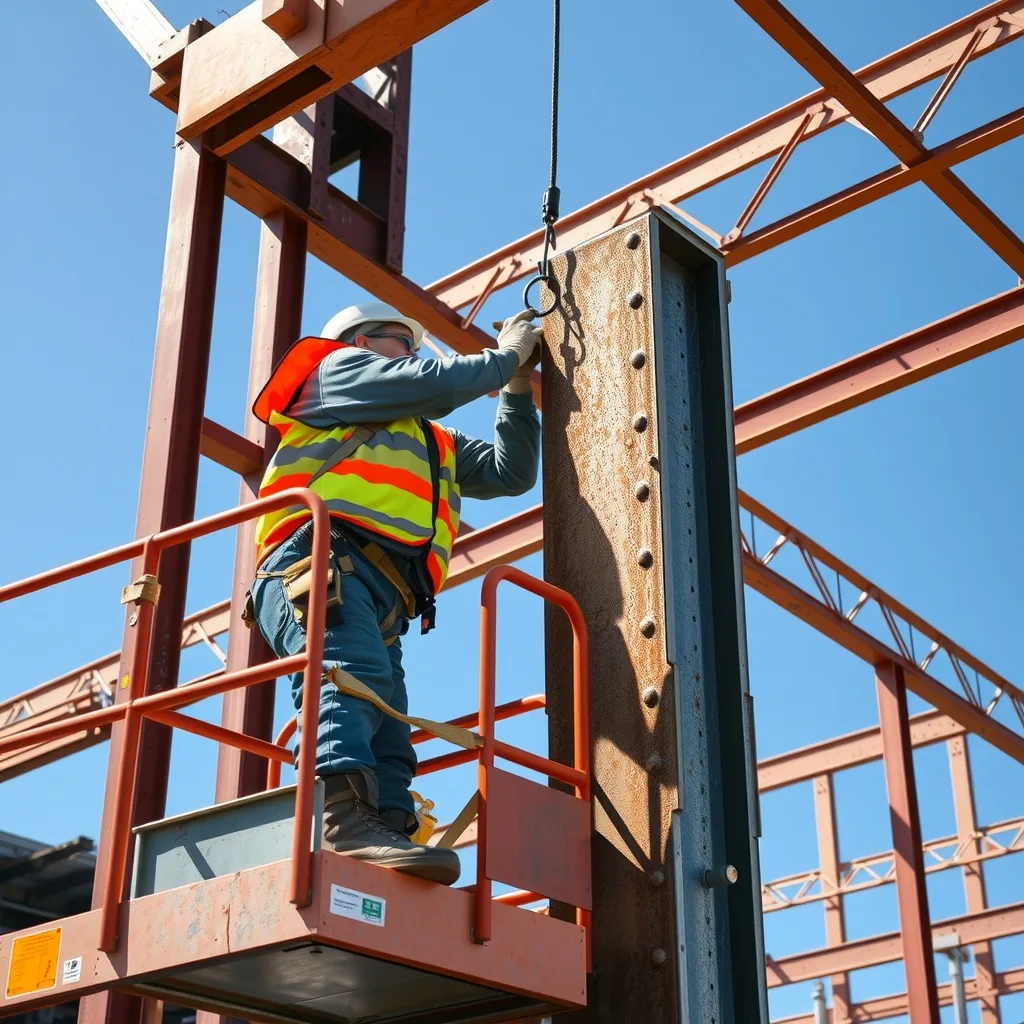
For employers in building and construction, the picture is worth taking seriously. Workers juggling two or more jobs bring fatigue and divided attention onto worksites where both can cause serious harm. Apprentice supervisors and site managers may want to factor moonlighting into their check-ins with younger staff, particularly when overtime, early starts, or safety-critical tasks are involved.
Frequently asked questions
Which age group in Australia is most likely to hold multiple jobs?
According to ABS data, Australians aged 20 to 24 are the most likely age group to hold multiple jobs, with 8.2 per cent of employed people in that bracket juggling at least two concurrent roles.
How does WA’s regional multiple job-holding rate compare to the national figure?
Regional WA has a multiple job-holding rate of 8.7 per cent, higher than the national rate of between 6.4 and 6.7 per cent, according to the ABS September 2025 release.
Why are young WA workers taking on extra jobs?
Perth’s median weekly house rent reached around $685 by mid-2025, with annual rental increases of 9.9 per cent, the highest of any Australian capital except Hobart. First and second-year apprentices earning roughly $46,000 to $47,000 net per year face a large gap against estimated living costs of $95,000 or more.
What are the worksite risks of employees holding multiple jobs?
Workers juggling two or more jobs can bring fatigue and divided attention onto construction sites. Employers and site managers are advised to consider moonlighting when assigning overtime, early starts, or safety-critical tasks to younger staff.
Sourced from Australian Bureau of Statistics, The West Australian, Bankwest Curtin Economics Centre. Original article.