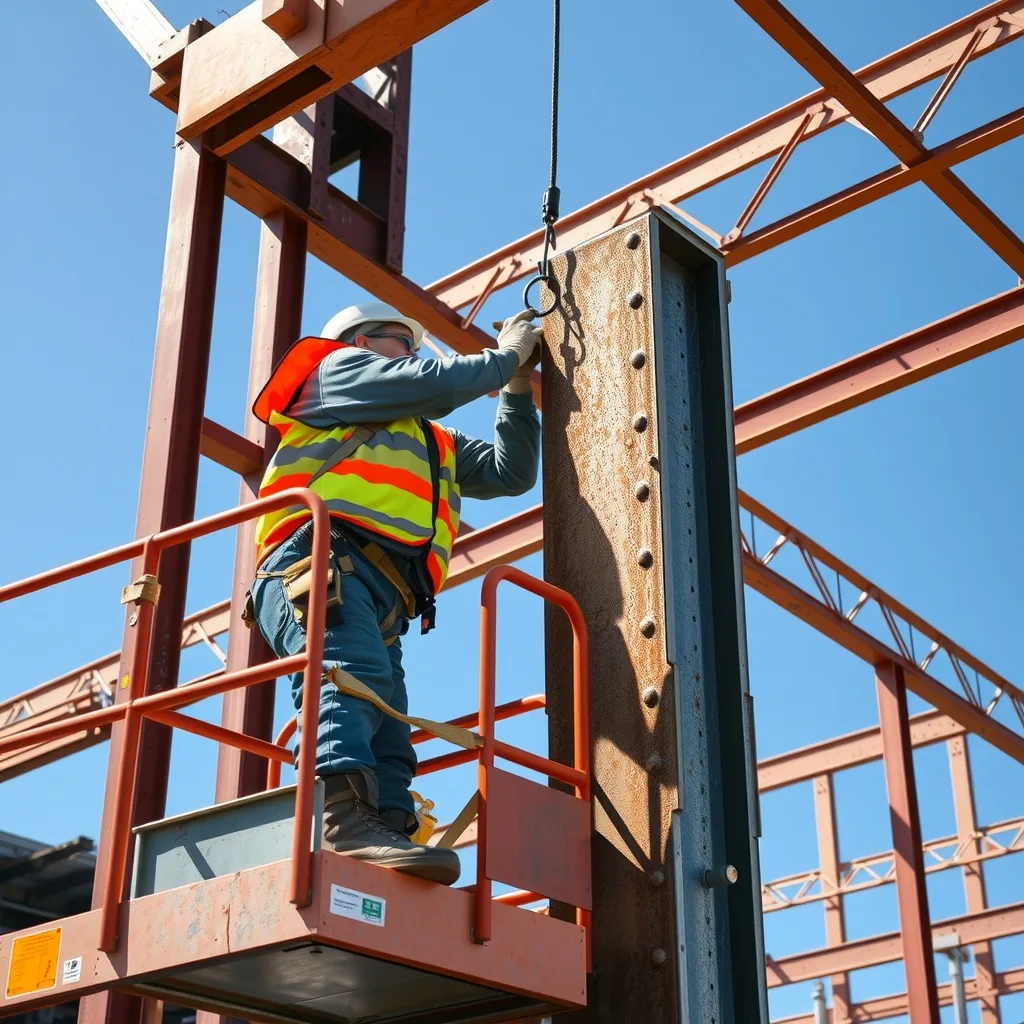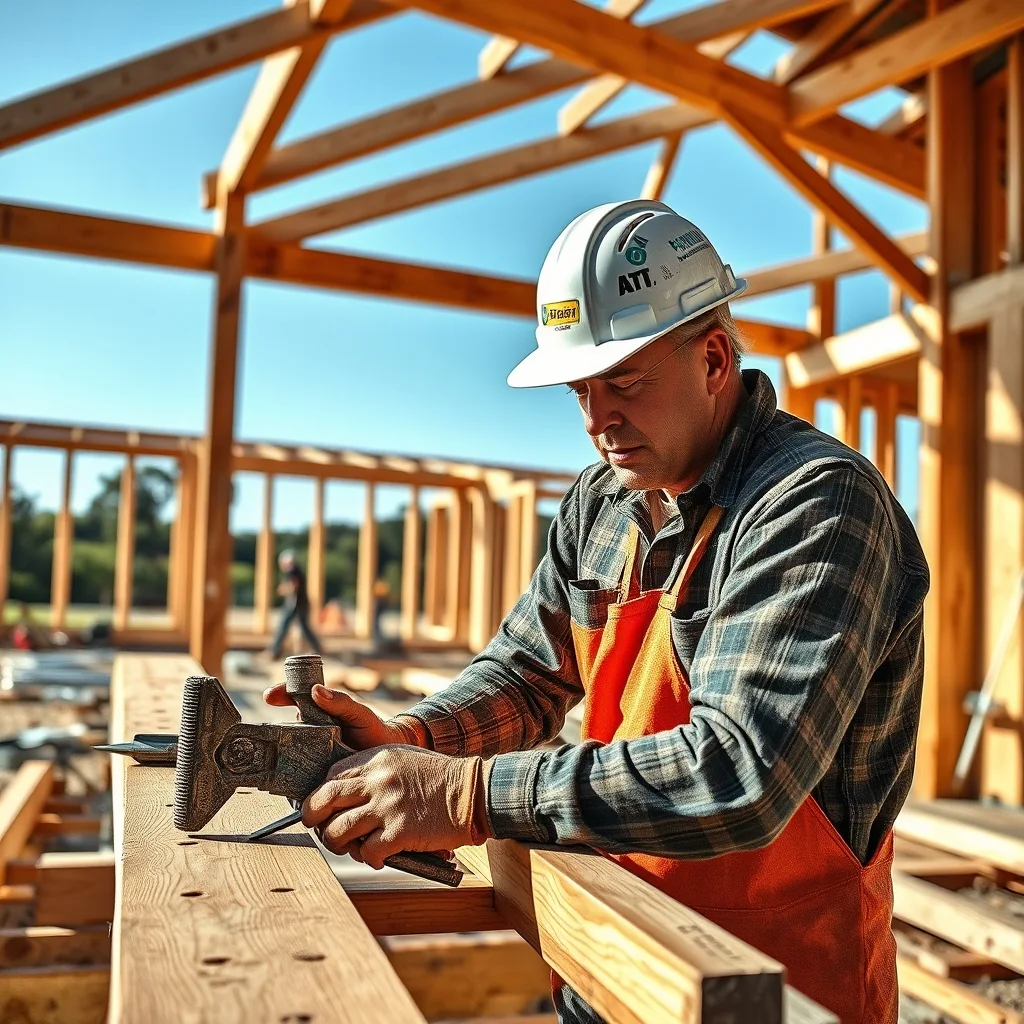

Western Australia’s deep attachment to double-brick homes is adding months to build times at the worst possible moment, according to industry figures urging builders and buyers to consider alternatives.
ABC News reports on Perth couple Graham and Anke Hoskins, whose timber-frame home is tracking for completion in under nine months. The average double-brick build in WA takes 12 to 18 months from slab to handover, according to Master Builders WA.
A 2025 report commissioned by the Housing Industry Association (HIA) found WA was the only state where more than half of detached houses were built of brick. Brick accounted for 68 per cent of WA detached homes, compared with just 2 per cent in the ACT. HIA WA executive director Michael McGowan said steel-framed and modular construction now made up more than 25 per cent of the WA market, up from a much smaller base, as the state doubled its home-building output from 11,000 homes in 2020 to 22,000 in 2025.
Bankwest Curtin Economics Centre director Professor Alan Duncan said double brick was well suited to WA’s stable sandy soils and had genuine advantages in thermal mass, soundproofing, and fire resistance, but also required more materials, more labour, and more time on site. “Alternative construction methods can be faster and more adaptable, particularly when components are manufactured off-site,” he said. He added that timber and steel frames must meet the same national building codes and engineering standards as any other method, and he saw no inherent safety issue with either approach.
One concern buyers raise is termites. Timber frames can be vulnerable, but Australian building standards require all new homes to include termite management systems, physical or chemical, regardless of construction material. The Hoskins home also incorporates a mechanical ventilation system to maintain a consistent indoor temperature, partly compensating for the lower thermal mass of a timber wall compared with double brick.
McGowan said buyers should not see one method as categorically better than another. “No matter whether you build with brick, stick or steel, your builder should produce a compliant home under the current regulations that you can be happy with,” he said. Graham Hoskins said he expected scepticism about timber frames in Perth to fade.
For tradespeople and subcontractors, the shift matters: framing carpenters, steel fixers, and modular-panel installers all stand to pick up work if more builders move to non-brick methods.
Frequently asked questions
Why does WA use double brick more than any other state?
WA’s stable sandy soils suit double-brick construction, and the method has local advantages in thermal mass, soundproofing, and fire resistance. Cultural preference and a long-established local bricklaying industry have also kept brick dominant.
Are timber-frame homes safe in WA?
Yes. Timber and steel frames must meet the same national building codes and engineering standards as double-brick homes. Professor Alan Duncan of the Bankwest Curtin Economics Centre said he saw no inherent safety issue with either approach.
Do timber-frame homes need termite protection?
Australian building standards require all new homes, regardless of construction material, to include termite management systems, either physical barriers or chemical treatments.
How much faster is timber or steel-frame construction than double brick?
The average double-brick build in WA takes 12 to 18 months from slab to handover, according to Master Builders WA. A Perth timber-frame home profiled by ABC News is tracking for completion in under nine months, suggesting a saving of several months.
Sourced from ABC News, Housing Industry Association, Master Builders WA, Bankwest Curtin Economics Centre. Original article.