
Australia could build its way out of the housing crisis faster and cheaper by shifting a big share of construction into factories, and, the argument goes, rebuild the country’s hollowed-out manufacturing base at the same time.
The John Curtin Research Centre (JCRC), a Labor-aligned think tank, released its 84-page report, Manufacturing Homes: A National Strategy for Solving Australia’s Housing Crisis, at Labor’s National Conference in Adelaide on Saturday. Federal Housing Minister Clare O’Neil launched it. ABC News covered the release.
Written by JCRC chief economist Lachlan Kerwood-McCall and executive director Nick Dyrenfurth, the report sets a 10-year target of lifting Australian manufactured housing (AMH) to 35 per cent of all new residential construction by 2036-37, with a longer-term goal of 50 per cent. Right now, modular and manufactured methods account for just 5 to 8 per cent of total construction activity here, compared with far higher rates in Sweden, Germany, Japan and Singapore.
The central argument is blunt: the housing crisis is a productivity problem, not just a land or immigration problem. The report points to the 1950s and 1960s, when Australia handled a bigger population boom than today’s while keeping housing cheap, partly through heavy use of prefab construction. The current system, built around the assumption that every house goes up stick-by-stick on site, is too slow and too expensive to close the gap.
For the trades, the report’s fifth pillar is the one worth watching. It calls for expanded apprenticeship pathways and for TAFE, VET and training systems to align with Modern Methods of Construction (MMC) industry requirements, naming the federal government’s Key Apprenticeships Program and its Housing Construction Apprenticeship stream specifically. Factory-based construction needs a different skills mix than traditional site work, and the report is clear that a labour shortage could choke the whole strategy before it gets going. Carpenters and framers wondering where the work is heading in the next decade might also want to check current apprenticeship entry requirements.
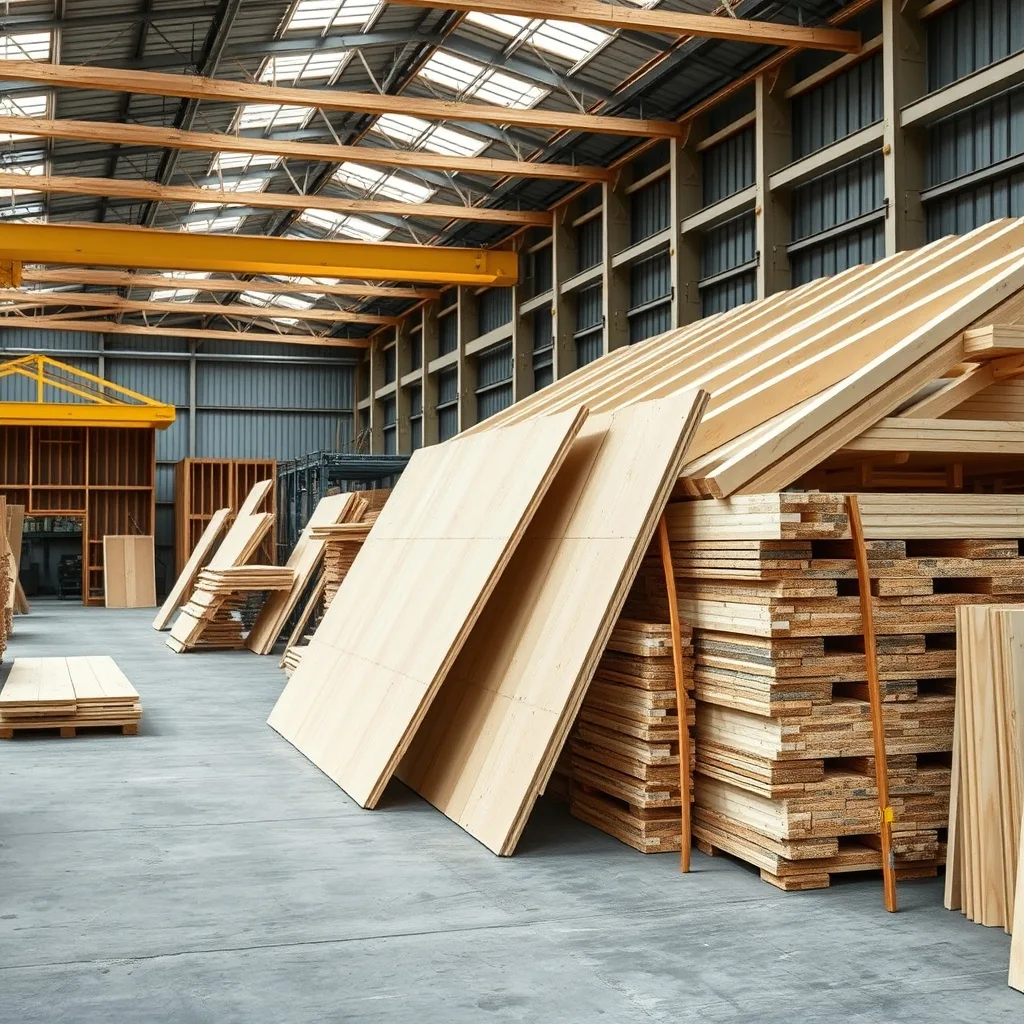
The report also argues for local content requirements and reforms to the National Reconstruction Fund to keep the supply chain onshore. An AMH sector built on imported components would just swap one vulnerability for another, it says. Australia’s timber plantations and engineered wood product manufacturing are flagged as the natural domestic base.
Whether any of this becomes actual policy is another question. It’s a think tank report launched at a party conference, not a government announcement. But with housing construction consistently missing targets under the Housing Accord and the Housing Australia Future Fund, the pressure to find a faster model is real. Tradies in carpentry and framing who want to get ahead of where the work may shift should watch what procurement and social housing contracts start requiring over the next couple of years.
Frequently asked questions
What is Australian manufactured housing (AMH)?
The report uses AMH to describe modular and manufactured construction methods where homes are substantially built in factories rather than assembled entirely on site. These methods currently account for just 5 to 8 per cent of Australian construction activity.
Will this create more apprenticeship opportunities in carpentry and framing?
The report calls for expanded apprenticeship pathways aligned with Modern Methods of Construction, specifically naming the federal government’s Housing Construction Apprenticeship stream. Whether those pathways grow depends on whether the strategy is adopted as government policy.
Is this government policy or just a proposal?
It’s a think tank proposal, not a government announcement. The JCRC is a Labor-aligned research centre, and the report was launched at Labor’s National Conference, but no government commitment to the targets has been made.
Sourced from ABC News. Original article.