
NSW has released its most significant planning overhaul in nearly a decade. The Minns Government’s Sydney Plan sets out how Greater Sydney will house and employ an extra 1.3 million people by 2046.
Finalised on 13 August 2026, the plan covers 33 local government areas and replaces the 2018 Greater Sydney Region Plan. Sydney’s population is projected to grow from 5.3 million to 6.6 million over the next two decades. To handle that growth, the plan targets at least 800,000 additional homes and around 950,000 more jobs across the metro area.
Planning Minister Paul Scully said the old approach had failed communities. “For too long, Sydney’s growth was left to chance, with housing, jobs and infrastructure planned in silos and communities left to pick up the pieces,” he said.
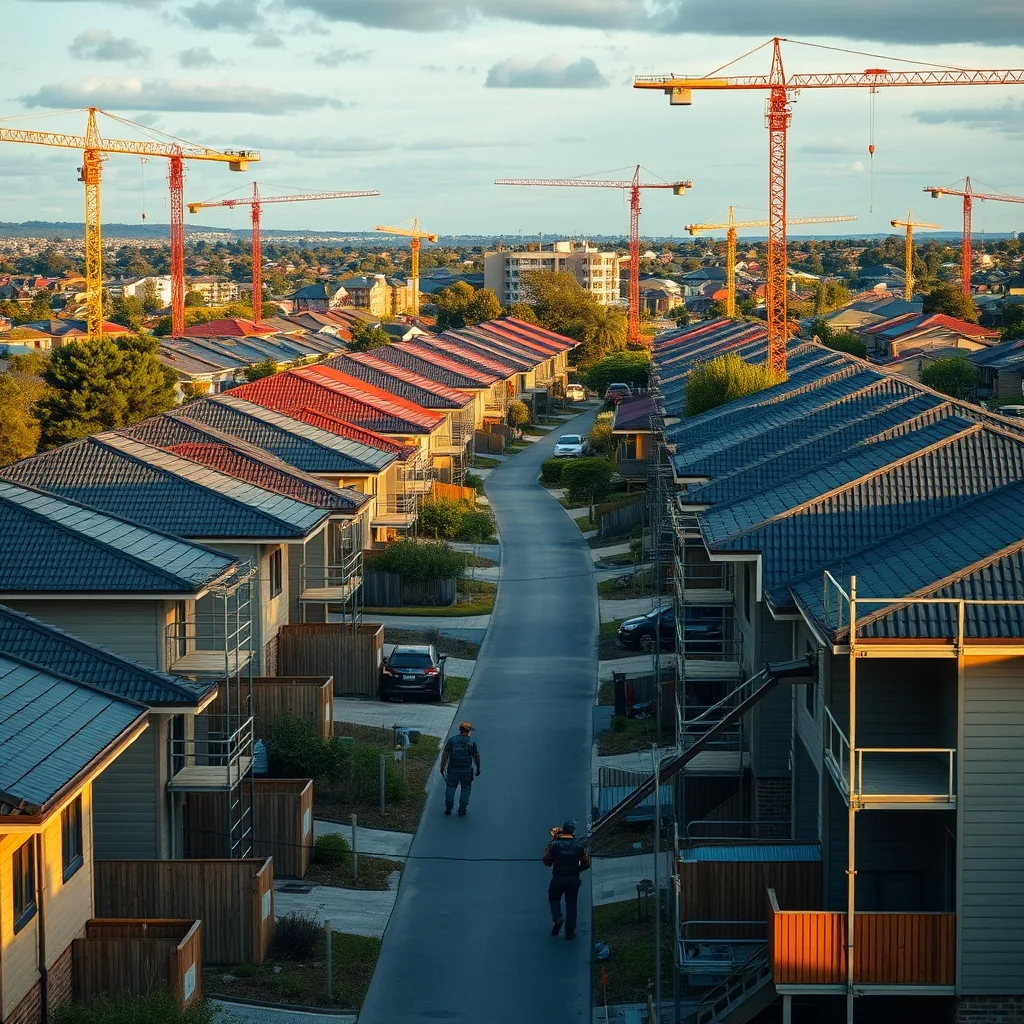
Most new housing is directed to Sydney’s eastern suburbs, where existing transport, utilities, and services can support higher density. That means infill townhouses and apartments rather than more greenfield estates on the fringe. Western Sydney gets the economic side of the bargain: a forecast 59 per cent jump in jobs, from 475,000 to 755,000, driven by the Nancy-Bird Walton Airport, the Moorebank Intermodal Precinct, and the region’s large industrial land base.
One of the plan’s harder-edged changes is a new requirement for councils to maintain a 30-year pipeline of land already zoned and ready for housing. The aim is to avoid the supply gaps that fed the current crisis. “We know that the housing supply crisis in Sydney is so deep that we’re not going to be able to dig ourselves out of it in one year or even in five years,” said Darcy Byrne, President of Local Government NSW and Mayor of Inner West Council.
The plan went through public exhibition from December 2025 to February 2026 before being finalised, according to the NSW Planning Portal.
Not everyone is convinced. NSW Opposition Leader Kellie Sloane said the blueprint is light on delivery detail. “It doesn’t put a shovel in the ground, it doesn’t build another house for Sydney. It doesn’t talk about infrastructure, it doesn’t talk about schools,” she said.
For tradies, the numbers are the story. Eight hundred thousand homes over 20 years, concentrated in infill apartments and townhouses, is a sustained, multi-decade workload for carpenters, concreters, plumbers, electricians, and tilers. The 30-year council zoning pipeline should reduce the approval-driven boom-bust cycle that’s made NSW workloads unpredictable. Demand for granny flats and dual-occupancy conversions is also likely to climb as infill zoning opens up more eastern-suburbs sites; our cost to build a granny flat in Australia guide has current price benchmarks by state.
In the west, industrial and freight expansion tied to the airport and Moorebank points to strong demand for commercial and civil construction trades for years to come. The Sydney Plan is a framework, not a funding guarantee, but the pipeline it creates is the clearest signal the NSW construction sector has had in a long time.
Frequently asked questions
When was the Sydney Plan finalised?
The Sydney Plan was finalised on 13 August 2026. It went through public exhibition from December 2025 to February 2026 before being confirmed.
How many homes does the Sydney Plan target?
The plan targets at least 800,000 additional homes across Greater Sydney over 20 years, with most concentrated in infill apartments and townhouses in the eastern suburbs.
What does the Sydney Plan mean for tradies in Western Sydney?
Western Sydney is forecast to see a 59 per cent jump in jobs, from 475,000 to 755,000, driven by the Nancy-Bird Walton Airport and the Moorebank Intermodal Precinct. That translates to strong ongoing demand for commercial and civil construction trades.
Does the plan guarantee construction funding?
No. NSW Opposition Leader Kellie Sloane pointed out the plan doesn’t fund specific projects or infrastructure. It’s a 20-year planning framework, not a capital commitment.
Sourced from ABC News, NSW Planning Portal, Mirage News (NSW Government press release). Original article.