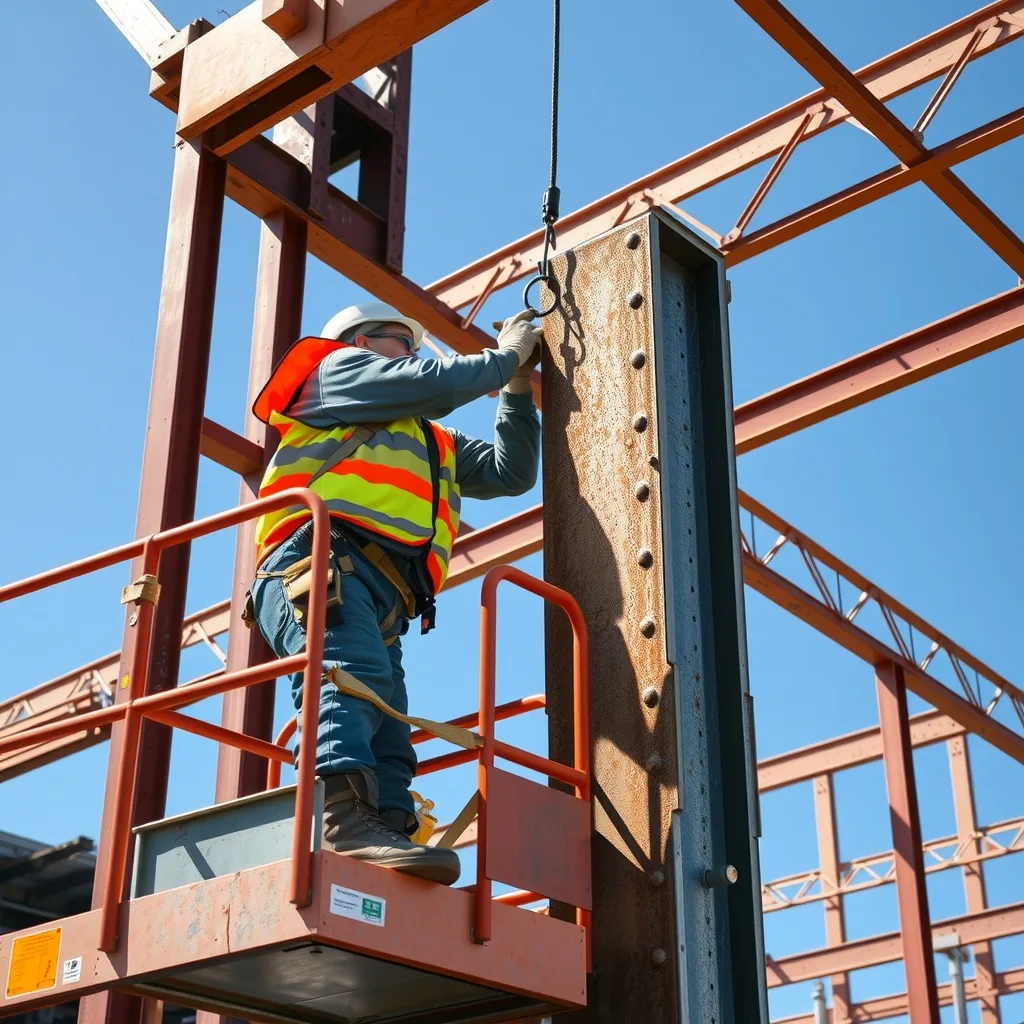

Construction workers already in Australia on a skilled visa have moved up the permanent residency queue under a sweeping change to how the federal government processes skilled visa applications.
Home Affairs Minister Tony Burke signed Ministerial Direction 119 on 24 July 2026, with the new rules taking effect the following day. The direction replaces Ministerial Direction 105 entirely and introduces a five-tier priority hierarchy. Onshore law enforcement and defence workers, including those tied to AUKUS, sit at the top. Construction, health, aged care and teaching workers already in Australia come in at Tier 3. An offshore applicant in the same occupation sits at Tier 5, the bottom. The direction applies to applications already on hand, not just new lodgements.
For employers in the trades, that structural shift matters. A builder or contractor sponsoring a worker already onsite on a Skills in Demand (Subclass 482) visa now has a processing advantage over a competitor trying to recruit directly from overseas. The 482-to-186 permanent employer nomination pipeline sits within the favoured onshore cohort. The direction doesn’t change who qualifies for a visa or which occupations are on the relevant lists, though, it only changes the order in which delegates assess applications.
The 2026-27 permanent migration program is capped at 185,000 places, confirmed in the 12 May federal budget. Of those, 129,590 are allocated to onshore applicants and 55,110 to offshore. That 70 per cent onshore split is the policy mechanism driving the change. Employer-sponsored skilled visa places rose sharply, from 44,000 to more than 58,000 year-on-year.
The government’s stated goal is to bring net overseas migration (NOM) down to 225,000. NOM peaked at 556,000 in September 2022 after the borders reopened post-COVID and came in at 301,000 last year. Alan Gamlen, director of the ANU Migration Hub, told the ABC that converting temporary visas to permanent status was one of the biggest levers available. “It allows them to prioritise applications from people who are already here and contributing and working, rather than sort of adding to this potential queue or backlog of people who’re coming into the country afresh on new visas,” he said.
Abul Rizvi, a former deputy secretary of the Department of Immigration, put the scale of the challenge plainly: “At the moment, we have around 3 million people in Australia on temporary visas.” He described the change as making “a small effort” toward the NOM target, with 432,300 people currently on bridging visas alone.
Migration consultancy RACC Migration confirmed the Subclass 482 visa is captured within a processing priority framework for the first time under MD119, a notable shift for trades employers who rely on that visa to fill skills gaps. Shadow Home Affairs Minister Jonno Duniam criticised the process, telling the ABC the government made “a significant change here without proper announcement or consultation” and labelled it “migration by stealth”.
For tradies and construction businesses, the immediate takeaway is this: workers you’ve already got on a 482 visa are better placed than they were a week ago for permanent residency. The overall cap and occupation requirements haven’t moved.
Frequently asked questions
Does Ministerial Direction 119 change which occupations or visas qualify for permanent residency?
No. The direction only changes the order in which visa delegates assess applications. It doesn’t alter occupation lists or eligibility requirements.
Where do construction workers sit in the new five-tier priority system?
Construction workers already in Australia come in at Tier 3, ahead of offshore applicants in the same occupation who are placed at Tier 5.
Does the direction apply to visa applications already lodged, or only new ones?
It applies to applications already on hand as well as new lodgements.
How many permanent skilled visa places are available in 2026-27?
The program is capped at 185,000 places: 129,590 allocated to onshore applicants and 55,110 to offshore, as confirmed in the 12 May federal budget.
Sourced from ABC News, RACC Migration, ANU Migration Hub. Original article.