
Australia will continue to allow paraquat, one of the world’s most controversial herbicides, after the Australian Pesticides and Veterinary Medicines Authority completed a decades-long review and stopped short of banning the chemical.
The APVMA announced its final decision on Tuesday, saying hundreds of scientific papers and long-term data had not established a clear causal link between paraquat exposure and Parkinson’s disease. The regulator imposed tighter restrictions instead, including phasing out backpack sprayers, mandating enclosed mixing and loading systems, and capping maximum application rates at 231 grams per hectare, down from 1,150 grams per hectare.
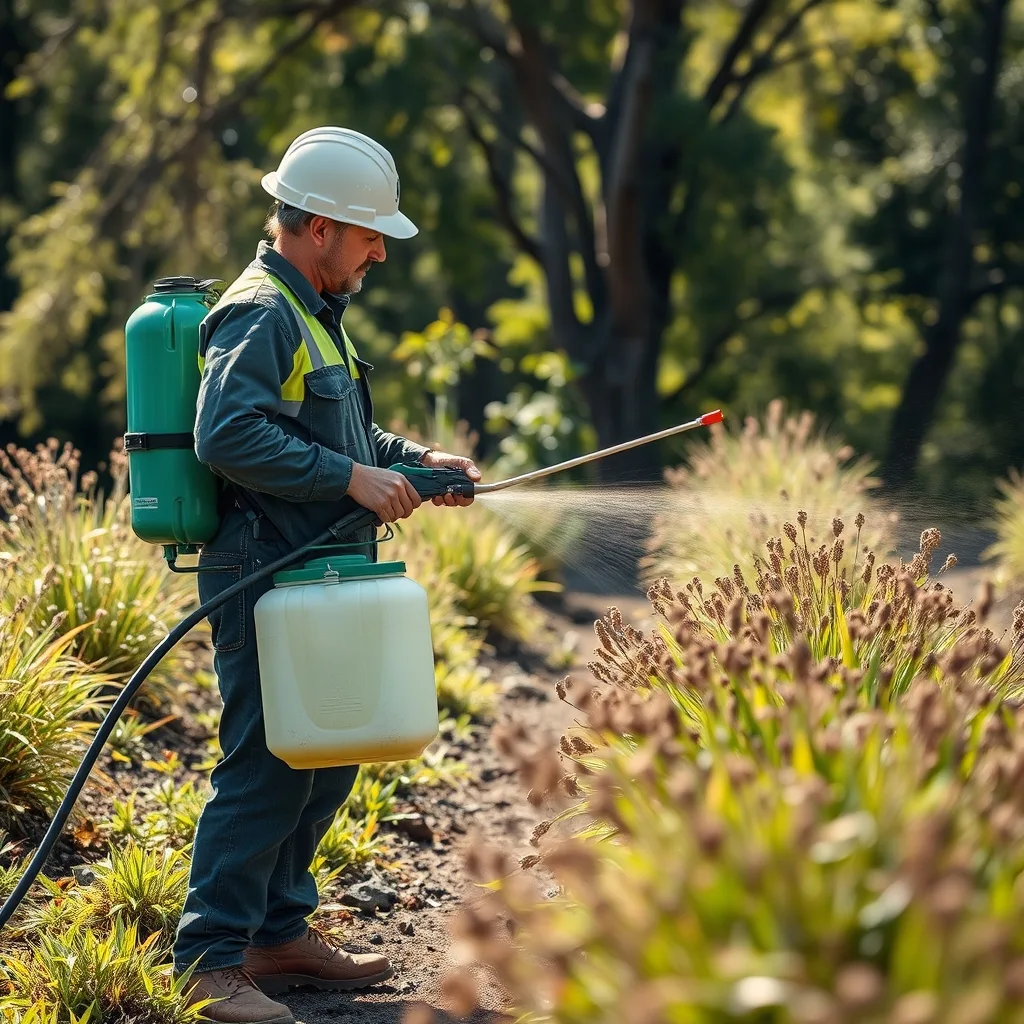
For landscapers, farm workers and anyone who has applied paraquat using a backpack sprayer, the equipment phase-out is the most immediate change. New rules also require enhanced personal protective equipment for all users. A higher application rate is permitted when using technology-assisted spot spraying, but only across up to 30 per cent of a total area.
The decision puts Australia in a similar position to the United States, where the Environmental Protection Agency reviewed paraquat in 2021 and allowed its continued use under stronger controls. It leaves the country out of step with more than 70 nations, including the European Union and the UK, which banned paraquat in 2007 after a court found that manufacturer Syngenta had not adequately established its safety. The EU applies a precautionary approach, requiring manufacturers to prove safety; Australia uses a risk-based assessment requiring evidence of actual harm.
Parkinson’s researchers and patient groups pushed back against the ruling. Melbourne neurologist Prof Wes Thevathasan told the ABC earlier this month that the global consensus in his field was that paraquat exposure increases the risk of Parkinson’s disease by around threefold, and accused the APVMA of failing to engage with researchers. Parkinson’s Australia CEO Olivia Nassaris said her organisation was disappointed and would continue fighting for a ban. “Seventy countries have banned the use of paraquat,” Nassaris said. “Are the lives of Australians less valuable?”
National Farmers’ Federation president Hamish McIntyre backed the outcome, saying science-based controls protect farmers and workers. Syngenta Australia said it was assessing the impact of the new restrictions on its product range, noting paraquat is considered an essential tool for conservation agriculture and integrated weed management. ACT independent senator David Pocock said the decision appeared to be “yet another example of vested interests winning out over community interest.”
Tradies and farm contractors who use paraquat should check updated label conditions and begin planning for the backpack sprayer phase-out before it takes effect.
Frequently asked questions
Is paraquat banned in Australia?
No. The APVMA completed a review in 2025 and decided to keep paraquat legal, imposing tighter controls including a phase-out of backpack sprayers and a lower maximum application rate of 231 grams per hectare.
Why have so many countries banned paraquat?
More than 70 countries, including the EU and UK, banned paraquat citing insufficient evidence of safety from manufacturers and concerns about links to Parkinson’s disease. The EU uses a precautionary approach that places the burden of proof on manufacturers.
What are the new paraquat rules for Australian workers?
Backpack sprayers are being phased out, enclosed mixing and loading systems are now mandatory, enhanced personal protective equipment is required, and the maximum application rate has been cut from 1,150 to 231 grams per hectare.
Does paraquat cause Parkinson’s disease?
The APVMA concluded that current evidence does not establish a clear causal link. However, Melbourne neurologist Prof Wes Thevathasan and others in the field say the evidence shows paraquat exposure raises Parkinson’s risk by around threefold.
Sourced from The Guardian Australia, ABC News. Original article.