
The NSW Government and the country’s biggest contractors have both called for the state’s infrastructure procurement to be overhauled. NSW Treasurer Daniel Mookhey told a Sydney forum of more than 450 industry leaders that government must be “clearer about scope, more realistic about risk” and stop judging bids on the lowest apparent price alone.
Mookhey was speaking at the Australian Constructors Association’s Foundations and Frontiers 2026 forum, reported by Infrastructure Magazine, where government, contractors, consultants and supply chain figures gathered under the theme Smarter. Stronger. Together, according to the ACA.
The pitch from both sides of the table was the same: fewer adversarial contracts, earlier involvement from the people who actually build the thing, and more repeat work done the same way twice.
”Government is the construction sector’s largest client”
Mookhey put the responsibility squarely on the client side of the deal.
“Government is the construction sector’s largest client. That gives us power, but it also gives us responsibilities. We must develop projects properly before taking them to market. We must be clearer about scope, more realistic about risk and more consistent in our requirements,” Mookhey said.
He went further on how disputes get handled once a job is running.
“We must engage industry earlier, make decisions faster and resolve genuine claims without allowing every issue to become an adversarial contest. We must look beyond the lowest apparent tender price and ask whether a bid is credible, deliverable and represents value over the full life of the asset.”
That last line is the one worth reading twice. “Lowest apparent tender price” is doing a lot of work. A number that looks sharp at award has to be recovered somewhere, and on most jobs the recovery happens in the subcontract packages and the variations register, not in the head contractor’s boardroom.
Mookhey also backed doing more of the same thing more often, rather than reinventing the detail on every job. “We want greater standardisation, more modern methods of construction and innovation that can be repeated across projects,” he said.

Industry wants shorter bids and earlier conversations
ACA President Annabel Crookes, who joined Mookhey for a discussion on the roles of government, contractors and project owners, argued the fix starts before anyone signs anything.
“Genuine partnership starts well before contracts are signed. It means bringing industry in early to help shape the problem, being transparent about the pipeline and creating the conditions for government and contractors to solve challenges together before they become disputes,” Crookes said.
On procurement itself, she wants less time burned in the bid room.
“If we want to lift productivity, procurement has to be shorter, smarter and more focused on outcomes. The opportunity is to spend less time in extended, duplicative competitive processes and more time in genuine development phases where the right people are around the table early.”
Crookes said the next phase of NSW infrastructure investment was a chance to standardise and industrialise construction where projects involve repeatable assets or similar scopes.
ACA CEO Peter Colacino framed the whole argument in terms most households would recognise. “The discussion today reinforced that productivity is no longer simply a construction issue. It’s a cost-of-living issue, a housing issue, and an economic issue,” Colacino said.
“The discussion today reinforced that productivity is no longer simply a construction issue. It’s a cost-of-living issue, a housing issue, and an economic issue.”
What a scope change looks like from the tools
Strip the conference language out and this is a conversation about drawings, risk and rework.
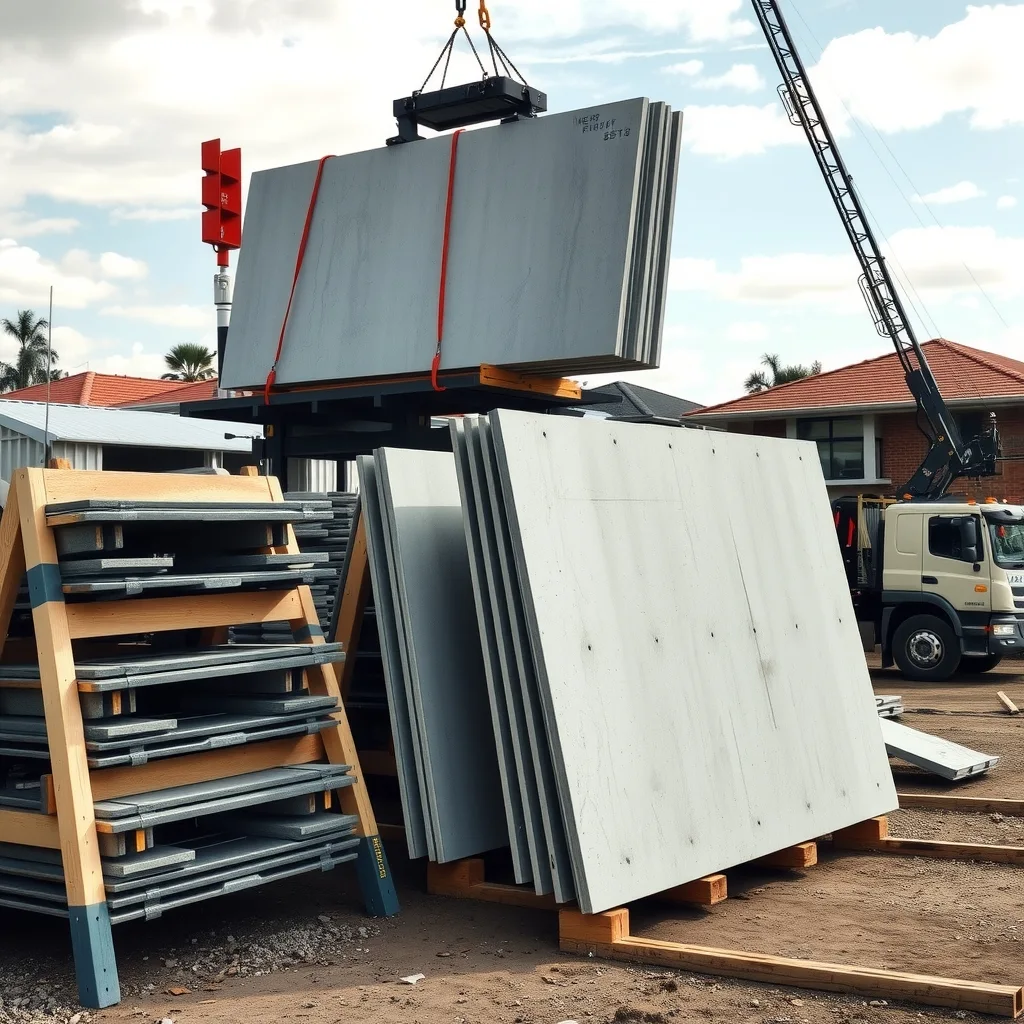
When a client takes a job to market before the design is properly developed, the gap gets closed on site. That’s the RFI backlog, the setout that changes after the formwork is booked, the penetrations cored twice, the subbie who priced one thing and builds another and then argues about it for six months. Every hour of that is paid for by someone, and it usually isn’t the person who wrote the tender.
Standardisation cuts the other way. Repeat details across a program of similar assets means a chippy builds the same wall type on job four that they built on job one, the same jig works twice, the shop drawings get reviewed once and reused, and the crew that learned the sequence on the first package is worth more on the second. Learning curve is a real productivity gain, and it only shows up if the client stops redesigning the same asset every time.
Modern methods of construction shift hours off site and into a shed, which changes who does what and when. It also changes the risk profile for anyone quoting labour on a program that assumes traditional in-situ work. If NSW does move harder in that direction across a package of repeatable assets, the subcontract market will need to price it, and the smaller outfits will want early visibility of the pipeline to decide whether it’s worth tooling up.
What to watch
None of this is a policy announcement. A treasurer’s speech to an industry forum is a statement of intent, and the test is what turns up in the next round of NSW tender documents: how scope is defined, how risk is allocated, and whether the claims process on the ground actually resolves things instead of parking them.
For anyone running a subcontract business off state infrastructure work, the practical questions are the same as they’ve always been. Is the scope in the head contract clear enough to price? Who wears the risk when the design changes? And does the pipeline give you enough certainty to put on another apprentice, or is it another year of pricing job by job?
Details on NSW infrastructure and procurement policy are published through the state government at nsw.gov.au.
Frequently asked questions
What did NSW Treasurer Daniel Mookhey say about infrastructure procurement?
Mookhey told the Australian Constructors Association’s Foundations and Frontiers 2026 forum in Sydney that government must be clearer about scope, more realistic about risk, and stop judging bids on the lowest apparent tender price alone.
Who is calling for construction procurement reform in NSW?
Both the NSW Government, represented by Treasurer Daniel Mookhey, and the Australian Constructors Association, represented by president Annabel Crookes and CEO Peter Colacino, called for reform at the Sydney forum.
Why does lowest-price tendering matter to subcontractors?
According to the article, pricing a job on the lowest apparent tender without properly developed scope often means the cost gap gets closed on site through rework and disputes, a cost usually worn by subcontractors rather than the head contractor.
Sourced from Infrastructure Magazine, Australian Constructors Association. Original article.