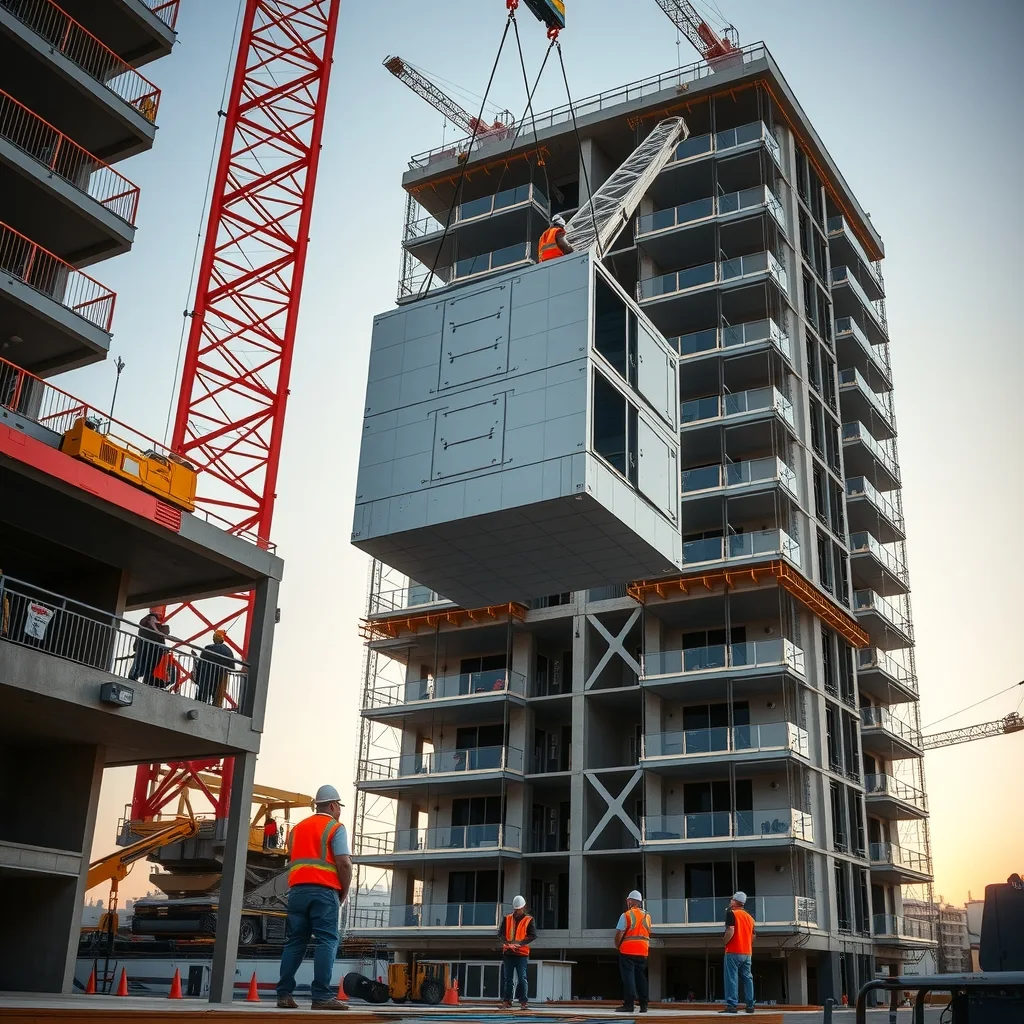

Freecity has stacked prefabricated modules to level 12 of a 20-storey, 528-room student accommodation building at 169-171 Herring Road, Macquarie Park, putting the Sydney job past halfway just over three months after the first module was craned into place on 12 June.
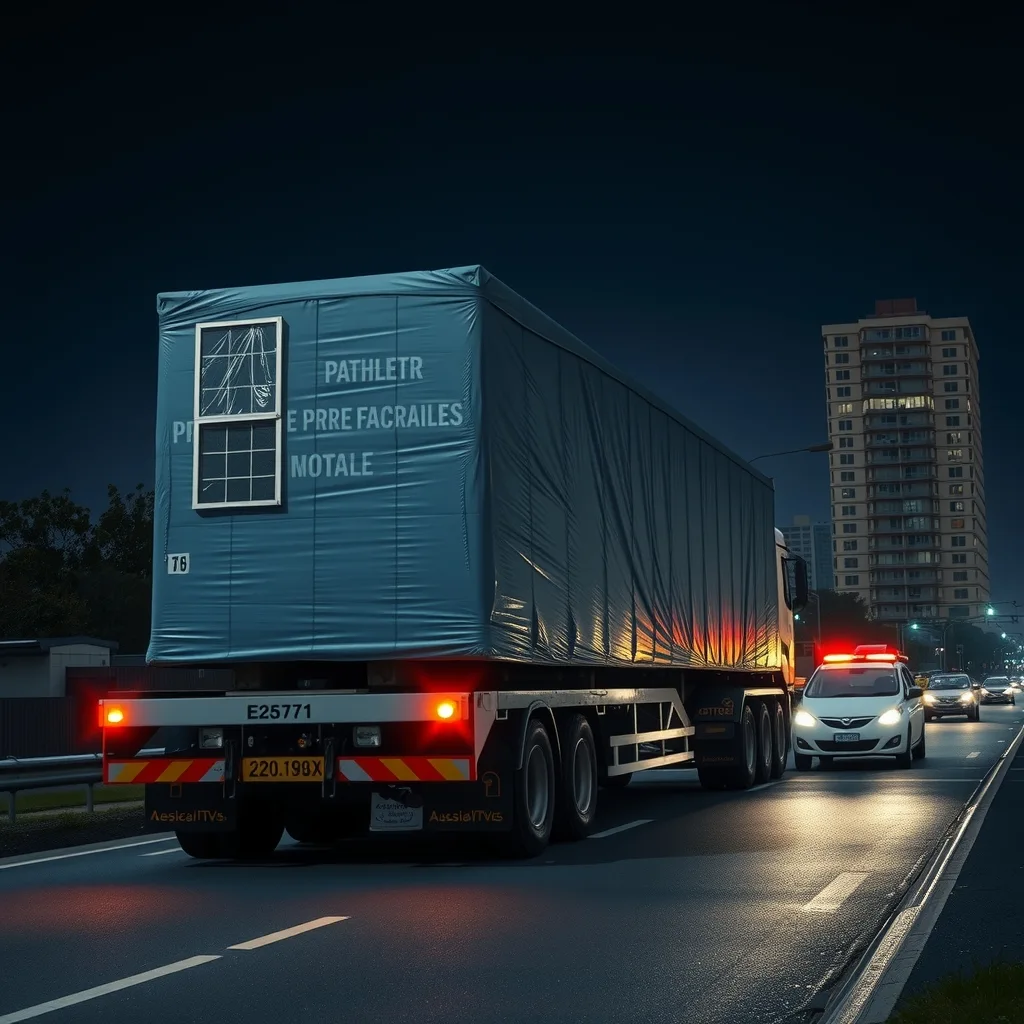
The build is using volumetric modular construction (VMC), Inside Construction reported, with each module manufactured in China and delivered to site with its internal fit-out and façade already installed. Freecity’s modular integrator on the job is Space Labs Australia, which specialises in high-rise VMC.
”Manufacturing and construction” running at once
Freecity co-founder and joint CEO Lawrence Zheng said the crew is still tuning the way modules go up.
“The team is continually refining the stacking process, logistics and coordination on site, so the experience we are gaining at Herring Road will also inform how we deliver the next generation of VMC projects,” he said.
That’s the pitch behind the whole method. Instead of a structure going up and the fit-out trades chasing it floor by floor, the boxes get built and finished in a factory while the site works are still underway.
“Australia needs to find ways to deliver housing faster and more efficiently. Herring Road is showing what can be achieved when manufacturing and construction are able to happen concurrently rather than one after another,” Zheng said.
“Australia needs to find ways to deliver housing faster and more efficiently. Herring Road is showing what can be achieved when manufacturing and construction are able to happen concurrently rather than one after another.”
What the site scope looks like when the fit-out arrives finished
This is the part worth chewing over if you swing a hammer or pull cable for a living.
On a conventional 20-storey residential build, the fit-out train runs behind the structure for months: partitions, linings, cabinetry, waterproofing, tiling, rough-in and fit-off, unit by unit, level by level. At Herring Road, that work has already happened before the module is trucked to Macquarie Park, because the source says each one turns up with the internal fit-out and façade in place.
What’s left on the ground is a different job. The critical path shifts to logistics and lifting: getting modules to site, setting them, and getting the stacking right so the next one lands where it’s meant to. Zheng’s own words point at exactly that, with the team still “refining the stacking process, logistics and coordination on site”.
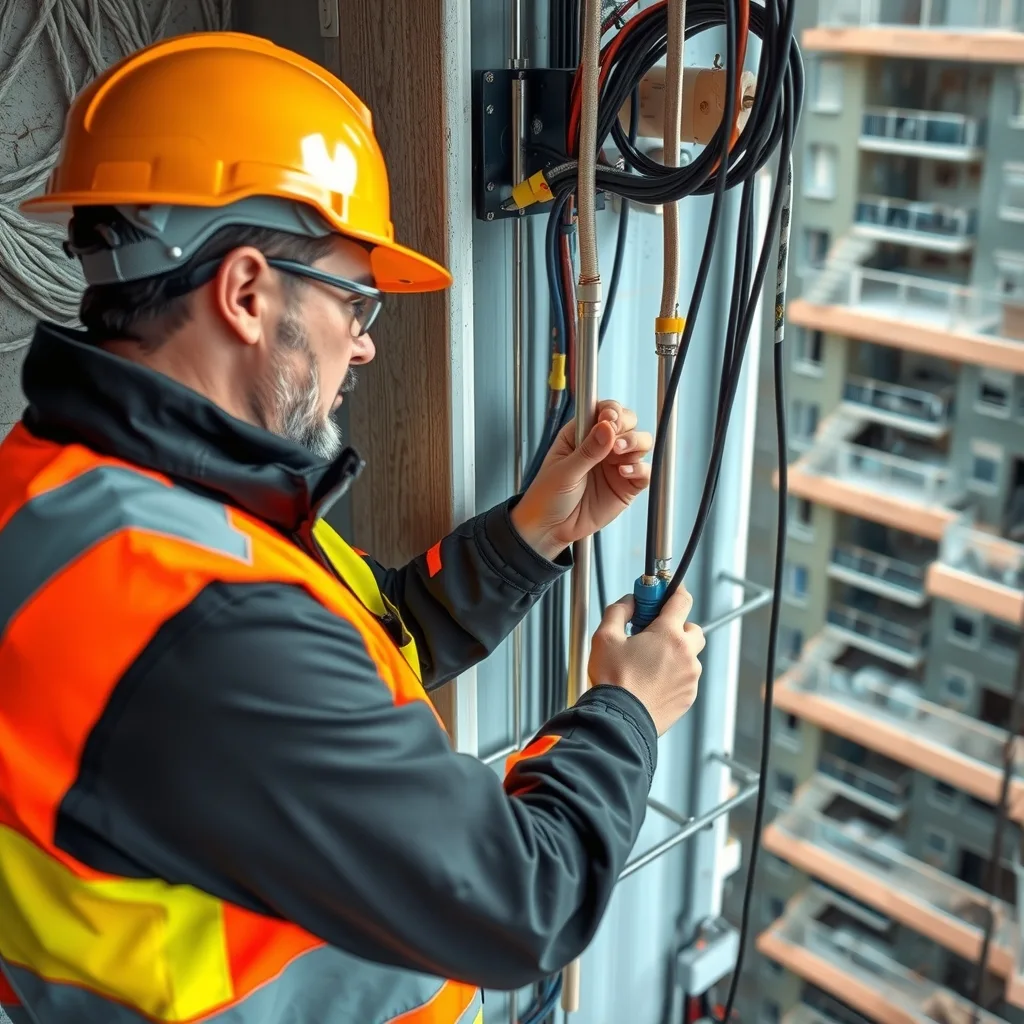
The connections don’t disappear. Modules still have to be joined structurally, and the services between them have to be tied into risers and mains. In New South Wales, as in every other state and territory, fixed electrical wiring has to be done by a licensed electrician and the plumbing and drainage work by a licensed plumber, whether the pipework arrived in a factory-finished box or not. NSW Fair Trading is the licensing authority for that work.
The building also carries a decent chunk of non-residential space that has to be delivered and finished: a cinema, meeting and study rooms, function spaces, a gym, communal kitchens and shared social areas.
The rental argument
Freecity associate director of development Benjamin Brown put the case for the project in housing-supply terms, arguing 528 student rooms take pressure off the wider rental pool.
“Every student who can access quality accommodation close to university is one less person competing for scarce private rental stock alongside families, professionals and key workers,” he said.
“The pace we’re seeing at Herring Road shows how VMC can help bring new housing supply online sooner.”
The location does a lot of work in that argument. The site sits about 100 metres from Macquarie University, Macquarie Park Metro Station and Macquarie Centre, so the rooms land where the demand is rather than out at the end of a bus route.
Green ratings and the next two jobs
Freecity says the method cuts waste, lowers carbon emissions from on-site activity and shrinks the overall footprint, and that modules can be reused or deconstructed for material recovery at the end of the asset’s life.
The development is targeting a 5 Star Green Star Buildings rating and has WELL for Residential precertification, with full certification to be chased after completion. Both of those are post-handover milestones, so the real test comes once the building is occupied.
Herring Road is the first of three purpose-built student accommodation projects Freecity has under construction in Sydney.
For anyone pricing work in the Macquarie Park corridor, the number to watch is the stacking rate over the remaining eight levels. If the crew holds or beats the pace it set getting to level 12, the local trade scope on this class of job keeps drifting towards structure, connection and commissioning rather than a long fit-out run, and the calls you get will be for the front and back ends of a build rather than the middle. Two more Freecity PBSA sites in Sydney will show whether that shape sticks.
Frequently asked questions
What is volumetric modular construction?
It’s a method where building modules are manufactured off-site, in this case in China, with the internal fit-out and façade already installed, then transported and craned into place to form the structure.
Do modular buildings still need licensed electricians and plumbers?
Yes. In NSW, as in every state and territory, fixed electrical wiring must be done by a licensed electrician and plumbing and drainage work by a licensed plumber, even when modules arrive with their internal fit-out already installed, per NSW Fair Trading.
How many rooms will the Herring Road tower have?
The Macquarie Park development will deliver 528 purpose-built student rooms across 20 storeys.
Where is Freecity’s Herring Road project located?
It’s at 169-171 Herring Road, Macquarie Park, about 100 metres from Macquarie University, Macquarie Park Metro Station and Macquarie Centre.
Sourced from Inside Construction. Original article.