
German welding manufacturer Lorch has released SpeedWave XT, a waveform-controlled MIG process built for medium to thick aluminium plate and chromium-nickel stainless steels. It arrives on the company’s iQS welding platform as a software and firmware update rather than a new machine.
The release also brings a Twin function that can be switched on across all non-cyclic Lorch MIG-MAG Speed processes, plus a wider set of synergic curves for high-strength fine-grained steels.
The announcement was reported by Manufacturers’ Monthly, which quoted Lorch executives in Germany and Australia. Lorch says it built the iQS around a modular architecture spanning 300 to 600 amps, for both manual and automated welding, and designed it for a service life of at least two decades.
“When introducing the iQS, we announced that we would quickly implement new application areas and process innovations. Our cutting-edge Smart Process Control Engine enables us to put this into practice speedily as well,” said Jonas Kappel, head of Product Management and Marketing at Lorch Schweißtechnik.
What the new process actually does to the puddle
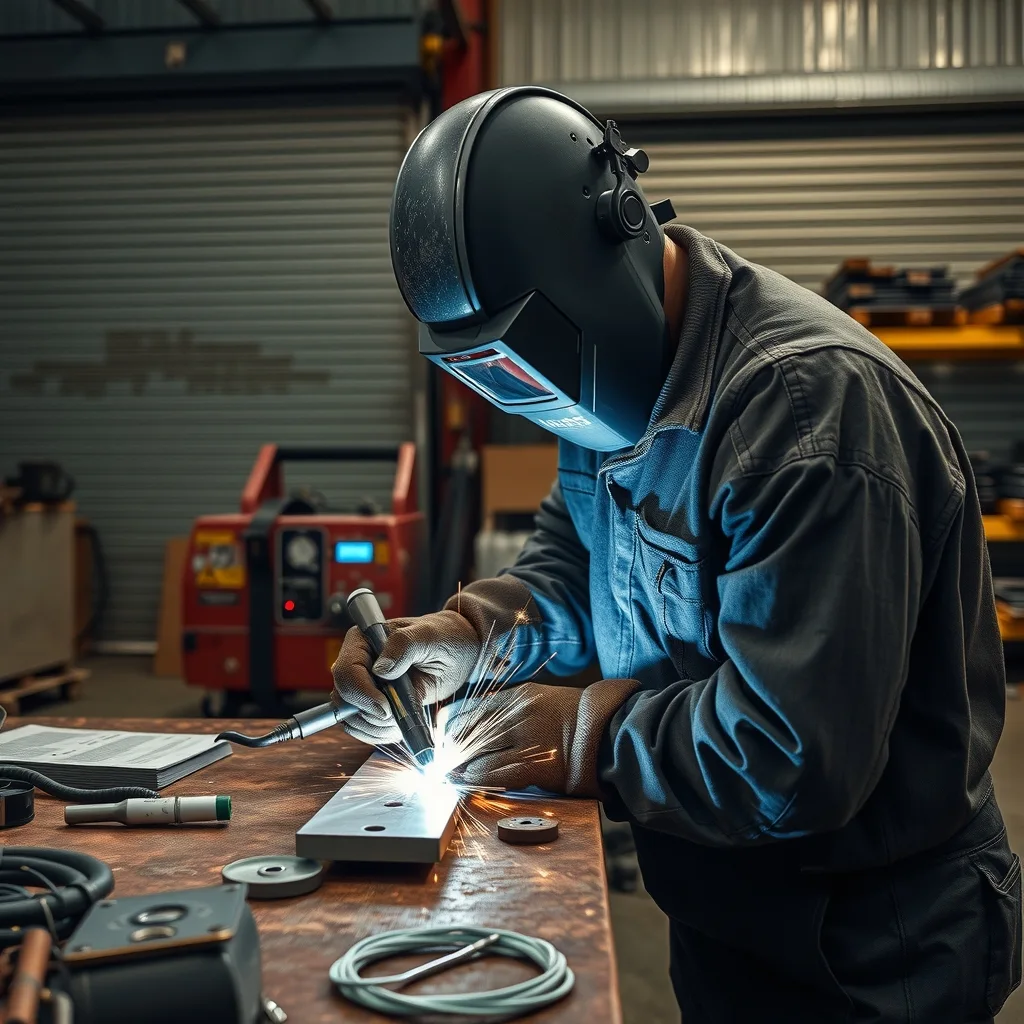
SpeedWave XT runs as a voltage and current-controlled pulse process with cyclic symmetrical energy changes, while the wire feed speed stays constant through the weld. The wave frequency is adjustable from roughly 4 Hz to 40 Hz.
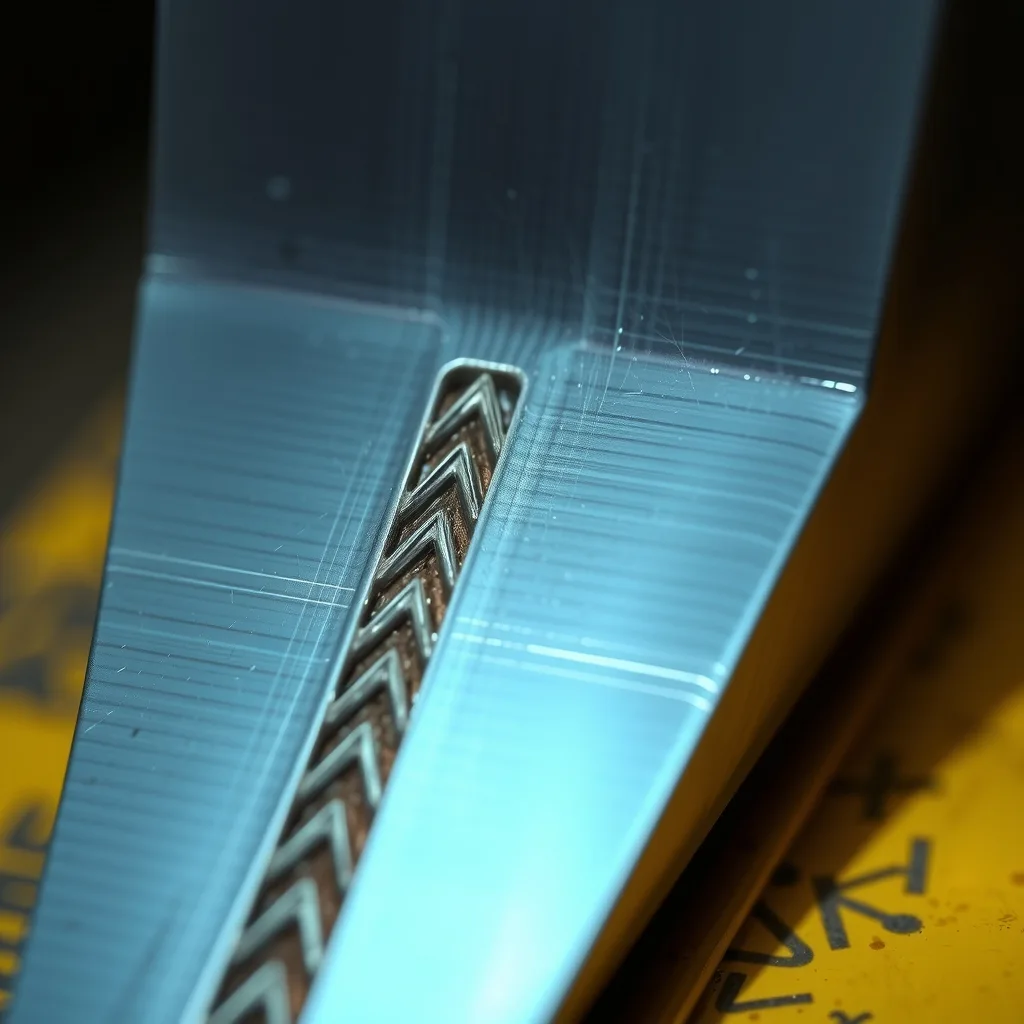
Those frequencies are tuned to excite the natural resonant frequencies of the molten pool. According to Lorch, that shakes more gas out of the melt to cut porosity and refines the grain structure as the weld solidifies, which the company links to better crack resistance, better fusion and the fine chevron ripple that aluminium and stainless fabricators are increasingly asked to produce.
Operators can adjust arc length, dynamics, SpeedWave frequency and SpeedWave amplitude, with the machine predicting current, voltage and power from the selected wire feed speed.
The constant wire feed is the part worth reading twice if you run long aluminium jobs. Lorch says that because the process avoids the cyclical wire feed changes used by TwinPulse, it puts less wear through the feed system. Rollers, liners and drive components on an aluminium setup are a known consumable headache, and anything that slows that wear down shows up in the maintenance spend, not the brochure.
Curves aimed at crane and truck steel
The other half of the release is less glamorous and probably more useful day to day. Lorch has added synergic curves for high-strength fine-grained steels, the materials used through crane construction, heavy transport and vehicle manufacturing because they carry high tensile strength at lower structural weight.
Those steels are unforgiving on heat input. Get it wrong and you knock down the mechanical properties the designer specified the material for in the first place. Lorch says the new curves are matched to specific materials and wire brands, including wire electrodes from Fliess and Böhler, so a welder can pick a setting rather than dial one in and hope.
For a fab shop doing trailer chassis, tipper bodies or crane components, that’s less setup guesswork on a short run and, Lorch says, less rework chasing spatter.
The software pitch, and the catch
Every iQS ships Wi-Fi enabled and connects back to Lorch’s network, with updates pushed automatically and production data available through the cloud-based Lorch Connect platform.
David Wilton, managing director of Lorch South Pacific, described the model in blunt terms.
“It links to Germany, and when there’s a new software update, every connected iQS machine worldwide will receive it automatically.”
“This is cutting edge. It’s normal for Tesla, but not in welding. It’s the new standard,” he said.
Wilton framed the whole platform as a break from how welders used to be sold. “Once upon a time, it was about building good transformer rectifiers. Those days are gone. Today, welding is all about software and advanced welding process controls.”
On process development, he said: “We can take a welding waveform that exists and replicate it exactly.” He added: “That means we can match or outperform any system while continuing to develop new, optimised processes as materials, wires, and gases evolve.”
The catch is the obvious one with any connected kit. A machine that gets better through updates is a machine whose value depends on the vendor continuing to ship them, and on the shop actually connecting it to a network. BCN hasn’t tested the equipment and doesn’t test products; every performance claim here belongs to Lorch.
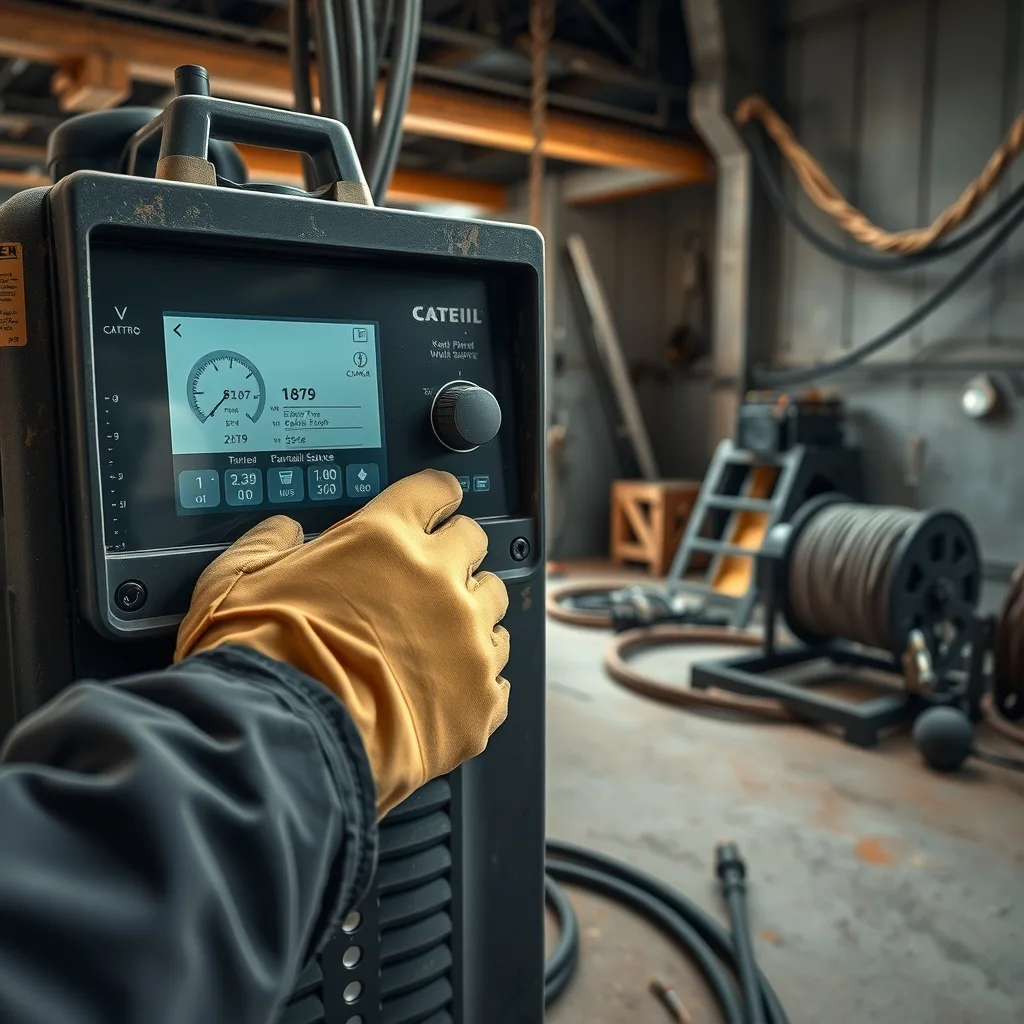
Sealed electronics for dusty sites
Lorch redesigned the iQS internals with separated clean and dirty zones, encapsulated electronics and externally accessible modules, drawing on more than two decades of data from its previous S platform.
“With iQS, all the critical electronics are sealed, so you can put it in coal dust or iron ore and it makes no difference,” Wilton said.
That’s about protecting circuit boards, not people. Dust and welding fume exposure on site remains a work health and safety matter for employers, and the national exposure standards sit with Safe Work Australia and the state regulator that covers your workplace.
Remote diagnostics are pitched at downtime. With customer approval, Lorch engineers can look at fault codes before a tech gets in the ute. “If there’s an error code, we can be one step ahead,” Wilton said. “We’ll know whether it’s a software issue or a component fault before we even send someone out.”
What to watch
If you’re costing a new welder this financial year, the question this release puts on the table isn’t which machine welds best on the demo day. It’s what the thing will be capable of in five years, and whether those capabilities arrive free over Wi-Fi or as a line on an invoice.
“Once you have the iQS, you’re not upgrading machines anymore,” Wilton said. “You’re upgrading software.”
That’s a claim worth testing against your own service history before you sign anything. Ask what’s included in a firmware update, what sits behind a licence, and how a machine behaves when it can’t see a network at all.
Frequently asked questions
Do I need to buy a new machine to get SpeedWave XT?
No. Lorch says SpeedWave XT arrives on the existing iQS platform as a software and firmware update, not a new machine.
What materials is SpeedWave XT designed for?
Lorch built the waveform process for medium to thick aluminium plate and chromium-nickel stainless steels, with a wave frequency adjustable from roughly 4 Hz to 40 Hz.
What else is included in the release besides SpeedWave XT?
The update also adds a Twin function for non-cyclic Lorch MIG-MAG Speed processes and new synergic curves for high-strength fine-grained steels used in crane, truck and vehicle manufacturing.
Has BCN independently tested Lorch’s performance claims?
No. BCN doesn’t test products, and every performance claim in this article is attributed to Lorch or its executives.
Sourced from Manufacturers’ Monthly. Original article.