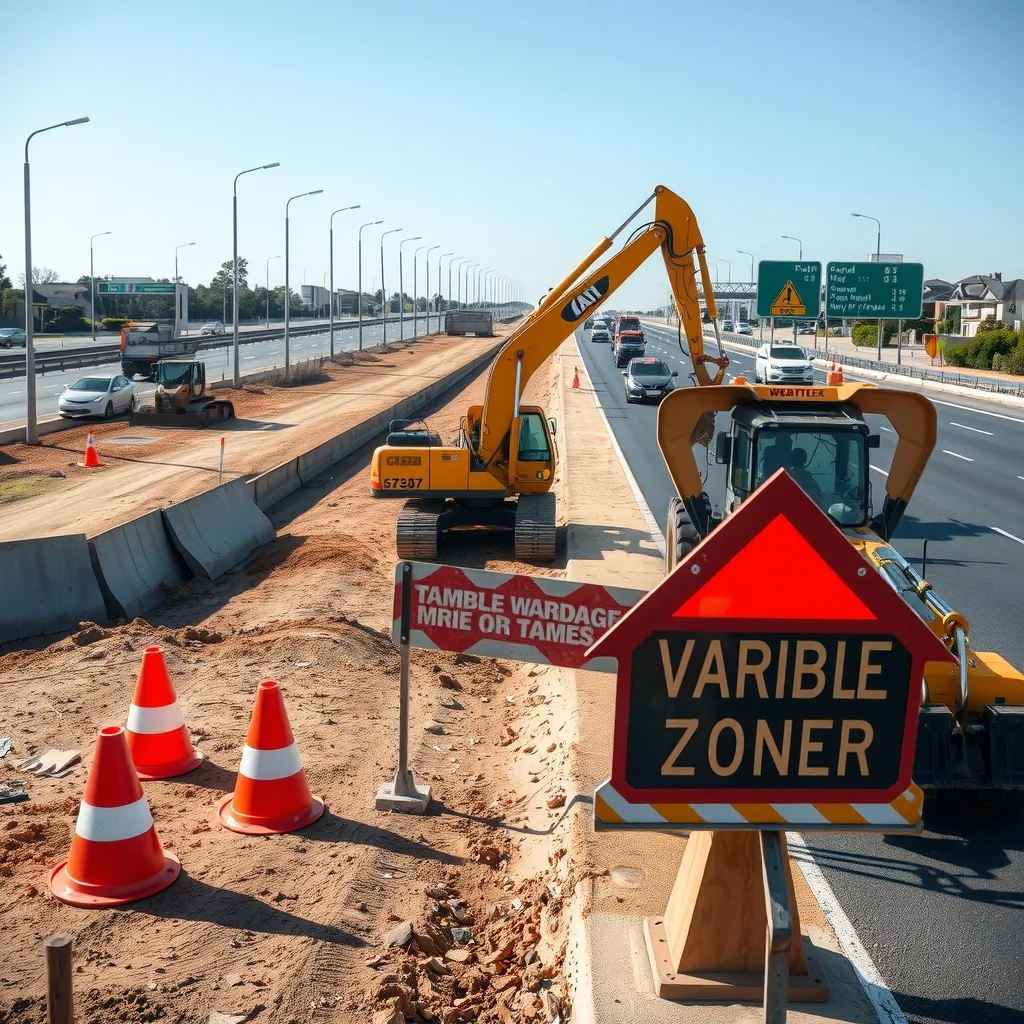

A construction consortium has been awarded a $700 million contract to upgrade more than 29 kilometres of Perth’s Kwinana Freeway between Roe Highway and Safety Bay Road, with construction starting early next year and the job scheduled to finish by mid-2029.
The contract went to CPB Contractors, McConnell Dowell Constructors, Arup Australia Projects and Jacobs Group, Roads & Infrastructure Australia reported. The Federal and Western Australian governments are jointly funding the $700 million package.
“Our government is committed to creating safe, reliable infrastructure to serve the people of Western Australia for years to come,” said Catherine King, Federal Minister for Infrastructure, Transport, Regional Development and Local Government.
“The Kwinana Freeway upgrade will transform one of Perth’s busiest road corridors, adding capacity and making journeys safer and smoother,” King said.
What the $700m actually buys
Detailed design begins on 11 kilometres of widening from Russell Road to Mortimer Road. On top of that comes an extra southbound lane from Roe Highway to Berrigan Drive, and another northbound lane from Russell Road to Beeliar Drive.
Coordinated ramp signals go in on 11 northbound ramps. Once they’re live, the corridor becomes 42 kilometres of continuous smart freeway from Safety Bay Road all the way to the Narrows Bridge.
Perth’s Kwinana Freeway carries more than 100,000 road users every weekday, Roads & Infrastructure Australia reported in August 2026. That number is the whole problem the contract is trying to solve, and it’s also the constraint the crews have to work around, because none of those 100,000 stop using the road while the widening happens.
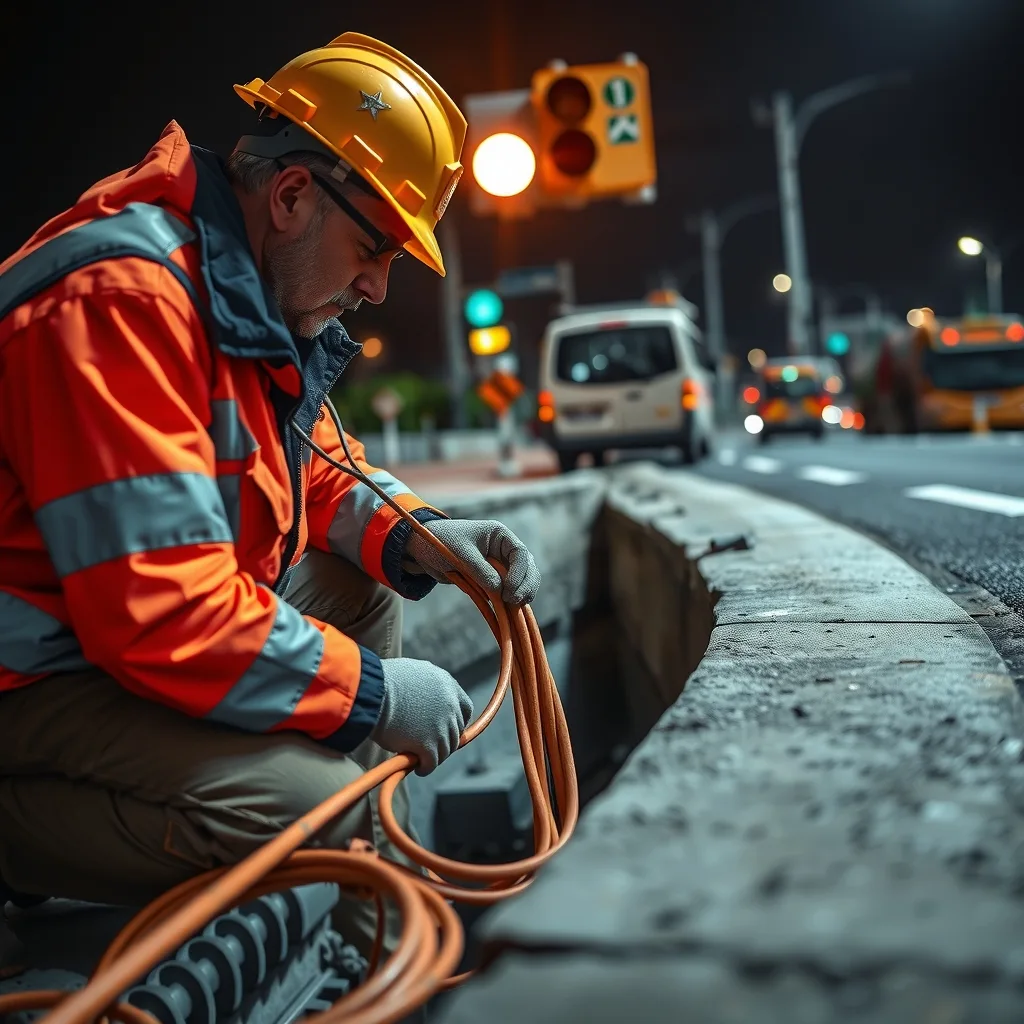
Ramp signals are as much a sparkie job as a road job
The smart freeway component is where the electrical trades come in. Coordinated ramp signals on 11 separate northbound ramps means 11 sets of signal footings to pour, pits and conduit to run, cable to pull, and gear to be terminated and commissioned back to a communications point before a single light turns green.
That’s a different crew and a different program to the earthworks and pavement gangs doing the widening, and it typically lands late in the sequence, after the new lanes are formed up. Detailed design starting now on the Russell Road to Mortimer Road section is the front end of that pipeline.
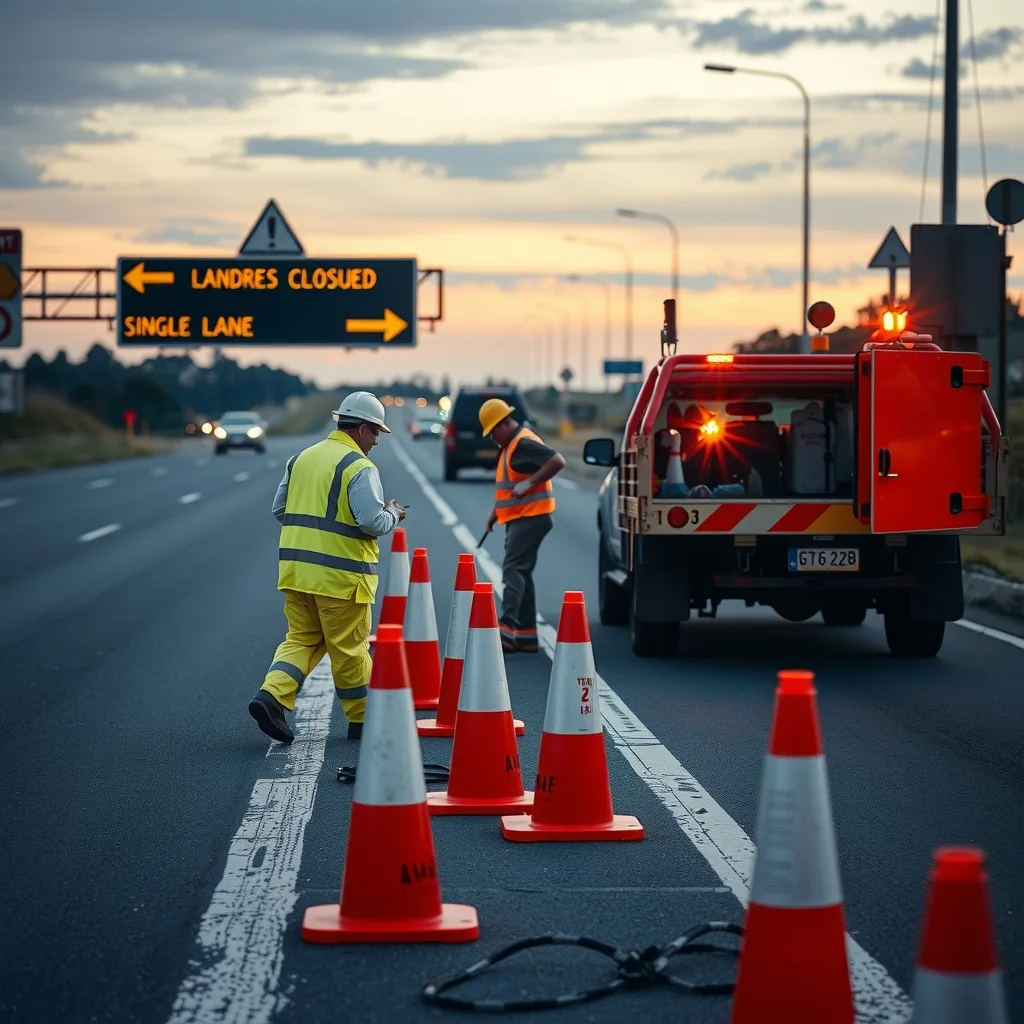
Civil widening on a live freeway also has its own rhythm. Every extra lane means barrier shifting, temporary line marking and lane changeovers, and most of that happens at night with traffic running past on the other side of the concrete. Traffic management is not a footnote on a job like this. It’s a standing crew for the duration.
“The Kwinana Freeway upgrade will transform one of Perth’s busiest road corridors, adding capacity and making journeys safer and smoother.”
The timing is the thing for subbies
The headline number is $700 million, but the number that matters if you’re deciding whether to put on an apprentice or finance another float is the date. Construction starts early next year. Significant sections of completed widening are slated to open by late 2028, with the whole project done by mid-2029.
That’s a build window measured in years, not months, which is the sort of run that lets a small civil or electrical subbie plan a workforce rather than chase the next four-week gig. It also means the packages that shake loose from the four head contractors, survey, service relocations, drainage, steel fixing and formwork for structures, barrier works, asphalt, then the ITS fitout, will come out in stages rather than all at once.
Worth being clear about what isn’t public yet. The scope released so far covers lane counts, ramp signals and dates. There’s no published breakdown of worker numbers or trade splits, and anyone quoting one at this stage is guessing.
What to watch
The detail that will tell WA subbies most is how the consortium carves up the work: whether the smart freeway electrical and communications scope is let as its own package or folded into the civil contracts, and how early the design team locks in the Russell Road to Mortimer Road staging.
Project scope and timing updates for WA state road jobs are published by Main Roads WA, and the federal funding side sits with the Department of Infrastructure, Transport, Regional Development, Communications and the Arts. Those are the two places the staging plans and subcontract packages will surface first.
Until then, the practical read for anyone in Perth’s southern suburbs is that a corridor carrying 100,000 vehicles a weekday is about to become a work site for two and a half years. If your run to site goes down the Kwinana, factor it in from early next year.
Frequently asked questions
When does construction start on the Kwinana Freeway upgrade?
Construction begins early next year. Significant sections of completed widening are slated to open by late 2028, with the whole project finished by mid-2029.
Who won the Kwinana Freeway upgrade contract?
A consortium of CPB Contractors, McConnell Dowell Constructors, Arup Australia Projects and Jacobs Group was awarded the $700 million contract, jointly funded by the Federal and WA governments.
What work does the $700 million contract cover?
It covers 11km of widening between Russell Road and Mortimer Road, extra lanes on parts of the corridor, and coordinated ramp signals on 11 northbound ramps, creating 42km of continuous smart freeway.
How busy is the Kwinana Freeway?
More than 100,000 road users travel the corridor every weekday, according to Roads & Infrastructure Australia.
Sourced from Roads & Infrastructure Australia. Original article.