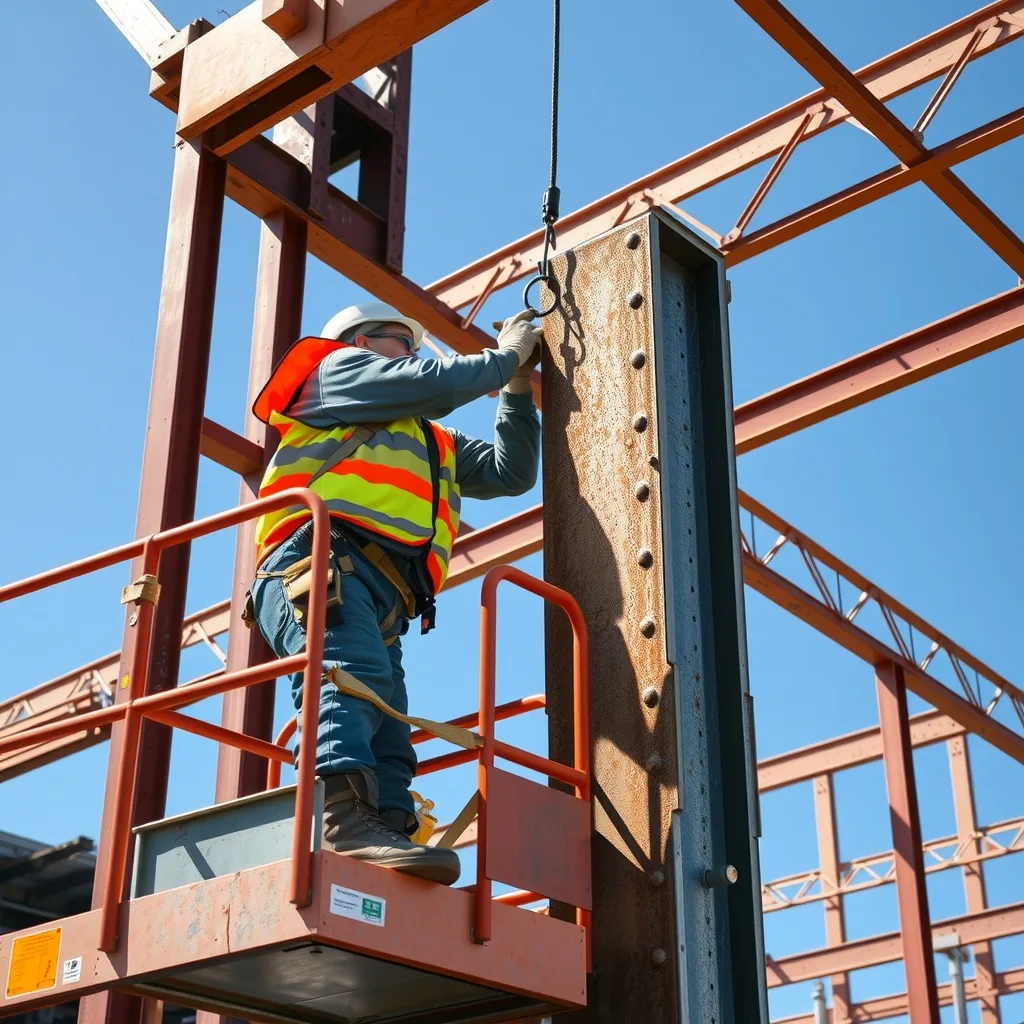

Kapitol and ICD Property have each put $5 million into a $10 million volumetric modular construction partnership with Chinese manufacturer CIMC Modular Building Systems, and the first job under it is a $50 million, 161-room purpose-built student accommodation development at 1494 to 1496 North Road in Clayton, Victoria. Construction is expected to start on site in early 2027.
Inside Construction reported the venture will draw on CIMC’s established offshore manufacturing capacity while the two Australian companies build up local modular capability. Both self-funded their share.
Where the $10 million actually goes
Kapitol’s half covers staff, systems and processes, product development and prototype construction. ICD Property’s half goes to prototype procurement and building out its modular business.
On the Clayton job, ICD Property develops the site and Kapitol has been engaged to deliver it.
The partnership is aimed at large mid-rise and high-rise build-to-rent developments, student accommodation, hotels, and social and affordable housing. The companies said the model would let them deliver up to 10,000 units a year.
That capacity figure is worth reading carefully. It’s what the two firms say the system could handle, not a book of signed contracts.
Twelve months of feasibility, $3 billion of projects assessed
Kapitol and ICD Property spent 12 months on feasibility work with input from trades, assessing more than $3 billion worth of potential developments across Queensland, New South Wales, Victoria and Western Australia, Inside Construction reported in September 2026.
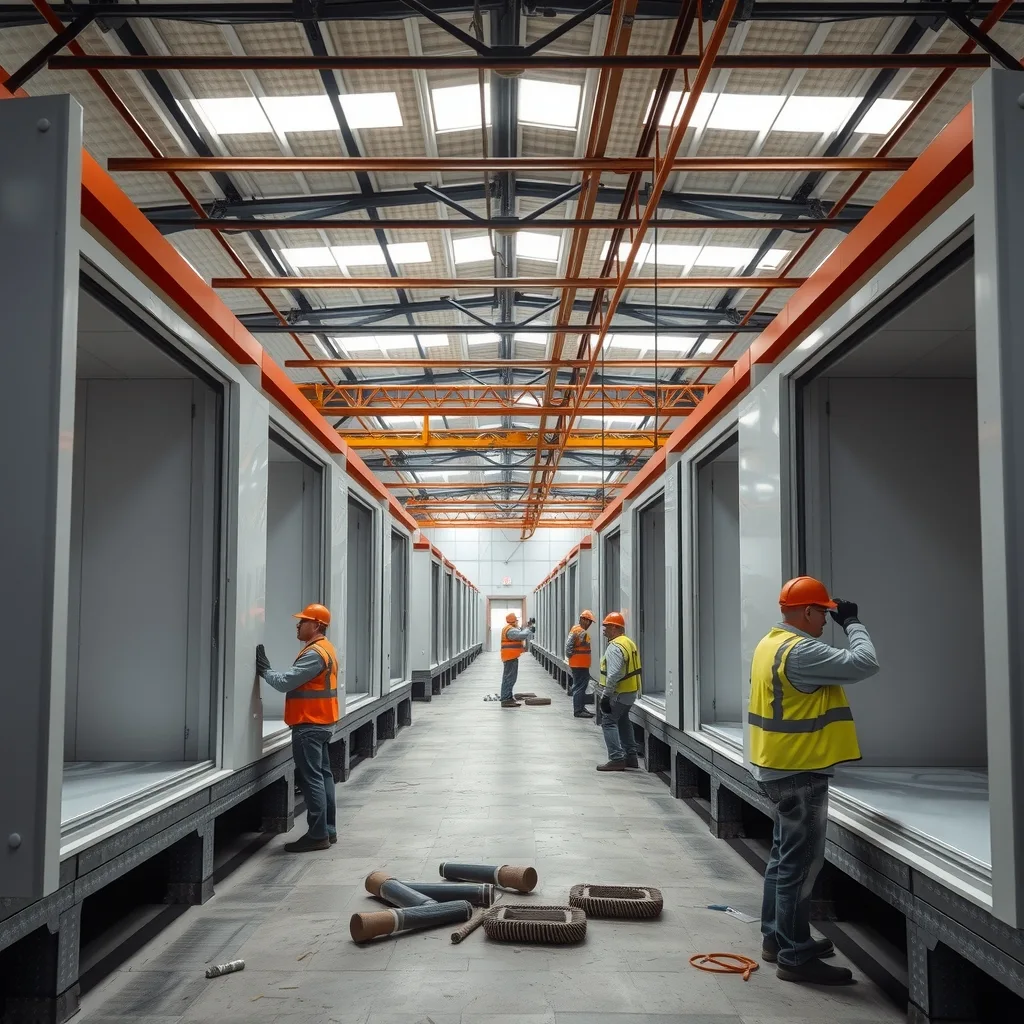
That modelling produced the numbers the whole pitch rests on: construction program reductions of up to 40 per cent against traditional methods, up to 50 per cent lower on-site labour costs, and 50 to 70 per cent fewer defects. All three are the companies’ own figures from their own studies, not independently audited results, and the Clayton build will be the first local test of them.
The work moves indoors, and a chunk of it moves offshore
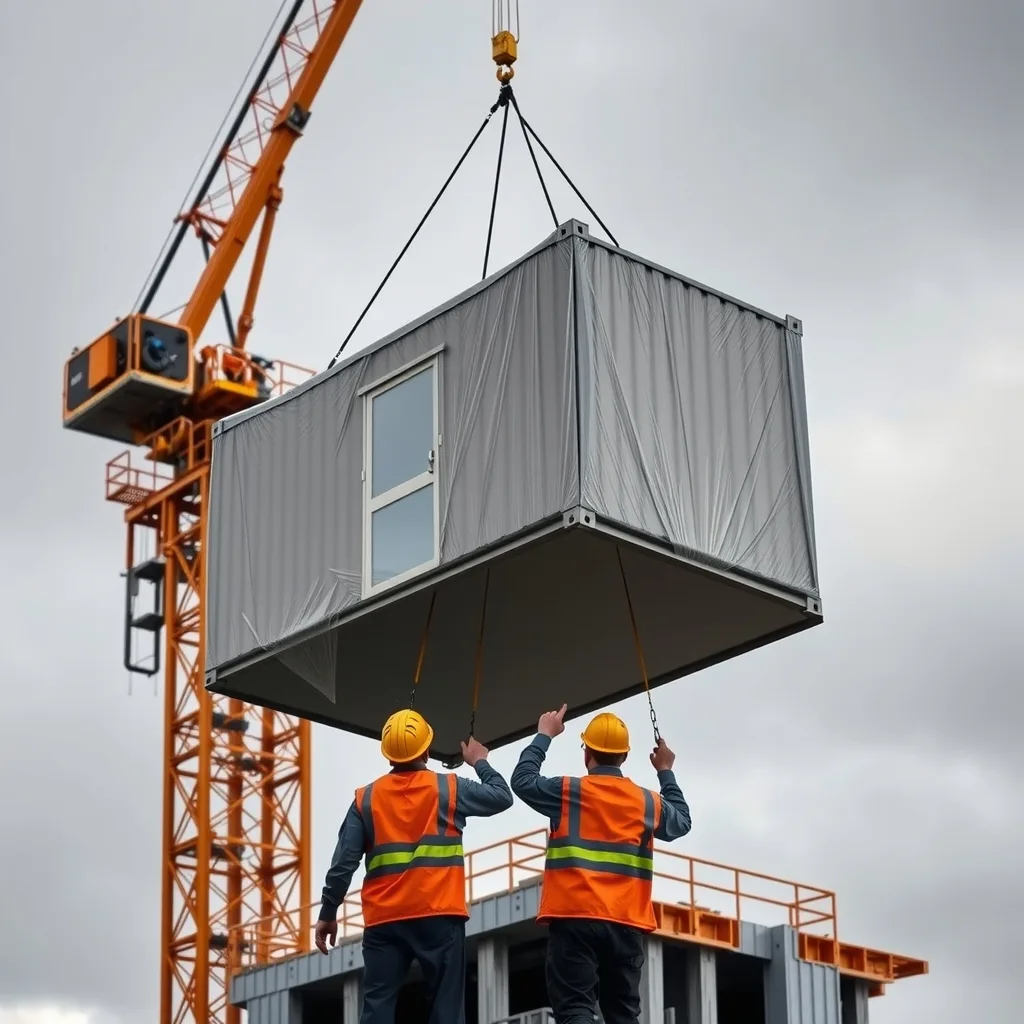
Volumetric modular isn’t panels on a truck. It’s finished boxes: a room or a pair of rooms framed, lined, fitted with a bathroom pod, cabinetry, wiring and pipework, then shipped in and craned into position.
What that does to a site program is shift the order of everything. Instead of a structure topping out and a fitout train grinding up behind it floor by floor, the site crew does the ground work, the in-situ cores and the slab, then runs a stack-and-connect cycle: crane, set, level, bolt, seal, tie in the services, repeat.
So the on-site trade mix narrows. Piling and civil crews, formwork and steel fixers on the cores and podium, riggers and crane crews, then the connection work between modules, facade and joint sealing, and the common areas, roof plant and landscaping that never come in a box.
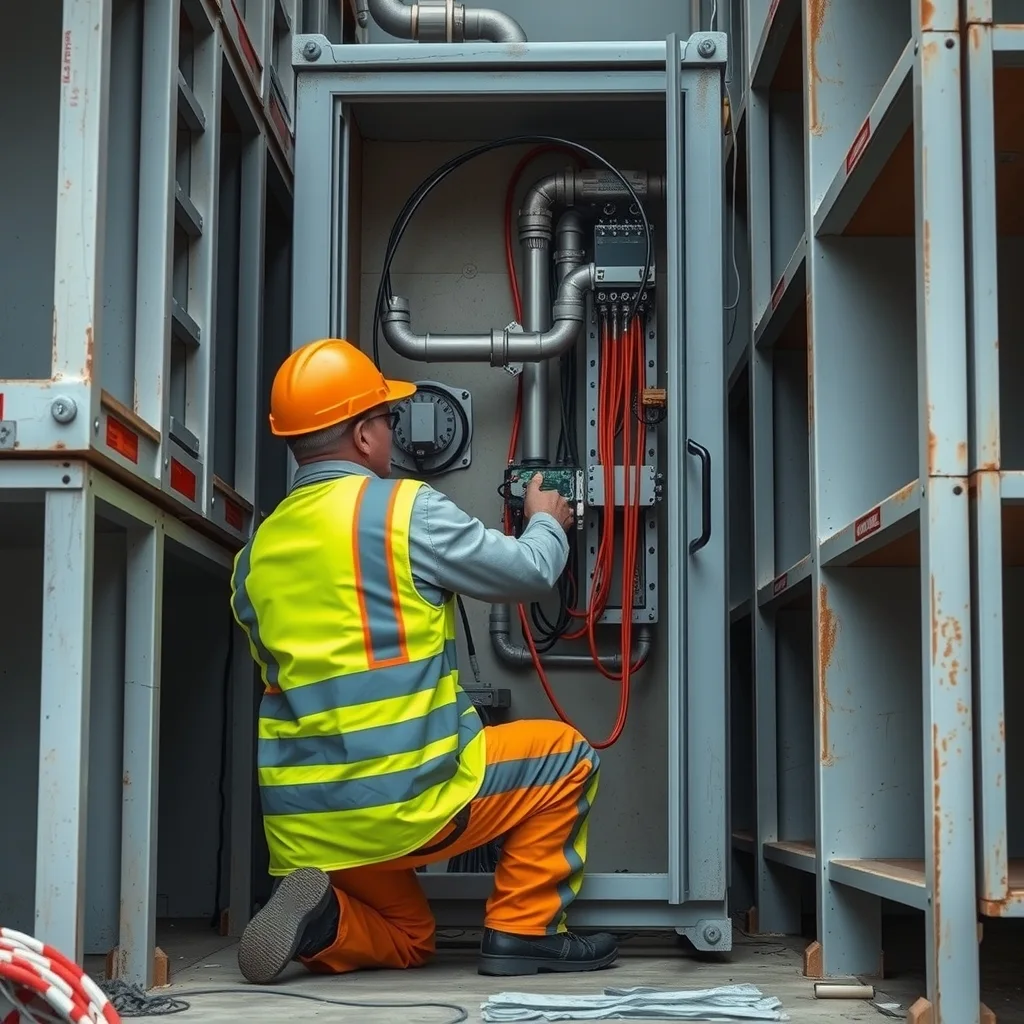
A 50 per cent cut in on-site labour cost doesn’t mean those hours evaporate. It means they happen somewhere else, and in this venture a lot of that somewhere else is a factory outside Australia. For a Melbourne chippy or a fitout sub, that’s the part of the announcement that matters more than the headline dollar figure.
The work that stays behind is still licensed work. Connecting module hydraulics into a building’s mains and tying module wiring into the switchboard needs a licensed plumber and a licensed electrician, factory-built or not, and in Victoria that’s a matter for the Victorian Building Authority and the state’s energy safety regime. There is no version of prefab where fixed wiring or gasfitting becomes a DIY or unlicensed job.
What to watch
A start in early 2027 means the trade packages and subcontract decisions on Clayton get made through 2026, so anyone chasing that work is looking at a conversation this year, not next.
The number to watch after that is the split: how many hours of the 161 rooms get built in a factory versus on North Road. That ratio, more than any press release percentage, tells you what volumetric modular does to an order book if build-to-rent and student housing developers follow this model at scale.
Frequently asked questions
What is volumetric modular construction?
It’s building with finished, factory-made room modules rather than flat panels. A room or pair of rooms is framed, lined, fitted with a bathroom pod, cabinetry, wiring and pipework at the factory, then shipped and craned into position on site.
Do modular builds still need licensed electricians and plumbers?
Yes. Connecting module hydraulics and wiring into a building’s mains and switchboard still requires a licensed plumber and licensed electrician, factory-built or not. In Victoria that work falls under the Victorian Building Authority and the state’s energy safety regime.
When does work start on the Clayton project?
Construction is expected to start on site in early 2027, which means trade package and subcontract decisions are likely to be made through 2026.
How many units could the Kapitol-ICD venture actually produce a year?
The companies say the model could deliver up to 10,000 units a year, but that’s the capacity they believe the system could handle, not a confirmed book of signed contracts.
Sourced from Inside Construction. Original article.