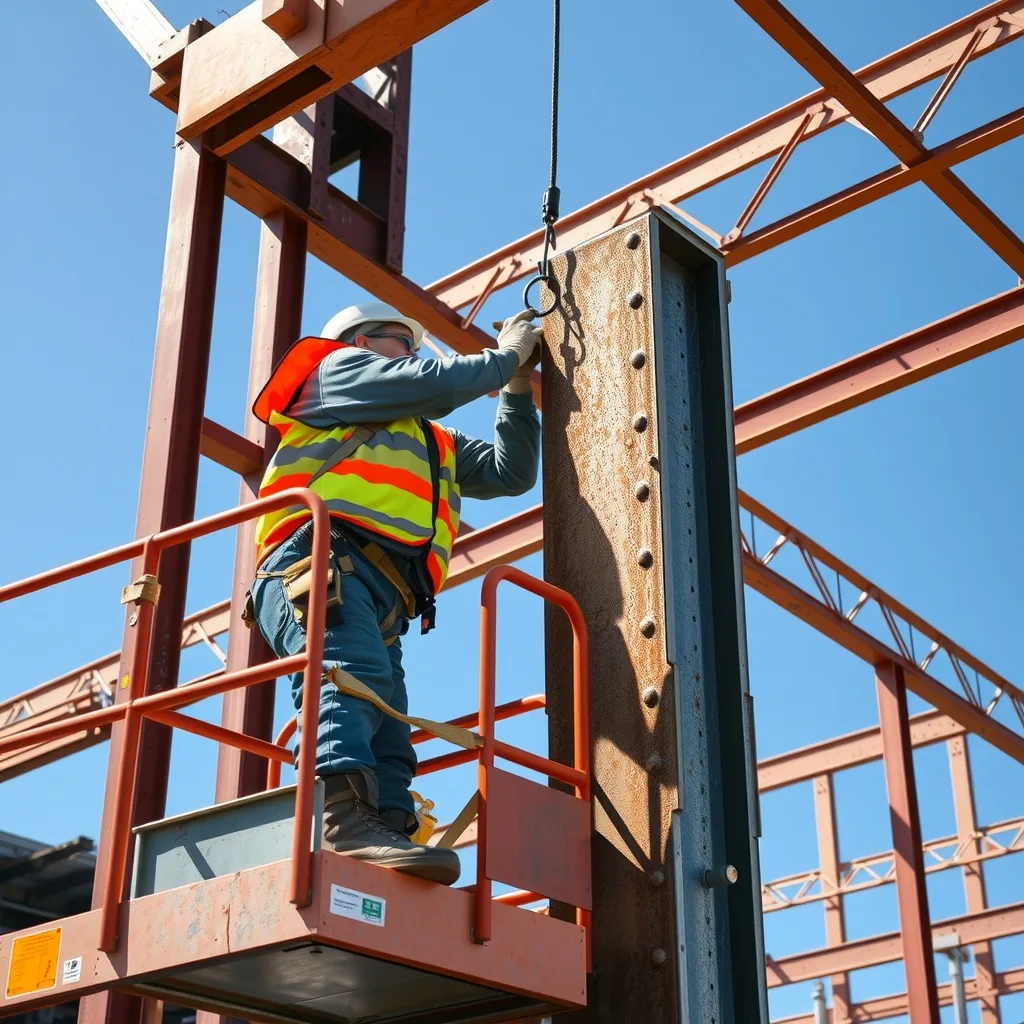

The Coalition wants to replace the 2,000-page National Construction Code with an 80-page ‘Basic Australian Standard’, arguing the existing rulebook has priced basic homes out of reach for most Australians.
Shadow housing minister Senator Andrew Bragg addressed the National Press Club on 12 August to outline a two-pronged policy. “It is now illegal to build a cheap house in Australia,” Bragg said, arguing the code’s requirements push costs well beyond what many buyers can afford.
The proposed Basic Australian Standard would keep structural, fire safety and health requirements but strip out mandatory accessibility rules that currently apply to new homes. Features such as ramps, flattened shower flooring and reinforced walls would become optional extras rather than baseline obligations. Bragg also flagged a federal pattern book of pre-approved model homes that could win automatic council sign-off across states and territories, cutting approval delays.
The second part of the plan targets demand. Bragg wants net overseas migration capped at an average of 180,000 a year, down from a current trajectory of roughly 245,000 for 2026-27 and a recent peak above 300,000. He argues that shift would close a housing shortfall he puts at 130,000 dwellings, citing the 2009-10 period as proof: NOM fell from 300,000 to 175,000 in about 18 months. Treasury’s May 2026 budget modelling projects NOM falling to around 225,000 by the end of the decade, still well above what the Coalition is targeting.
Federal Housing Minister Clare O’Neil has already dismissed an earlier Coalition proposal to cut the code to 200 pages. “I’ve talked to builders about that, they laugh their heads off. That is absolutely ridiculous,” she said, according to the Guardian report.
The code question is further complicated by Labor’s separate decision to freeze residential NCC updates until mid-2029, following its mid-2026 Economic Reform Roundtable. That freeze keeps the 7-star energy efficiency standard in place but delays other changes. SBS News reported that Master Builders Australia broadly welcomed the stability, while the Australian Institute of Architects pushed back. National president Adam Haddow warned that “a pause creates costly backlogs of quality and safety improvements that ultimately burden the industry and society.”
For builders and tradies, this is a fight over the rulebook they work to every day. A slimmer code could mean less compliance paperwork and lower per-dwelling costs, though the removal of mandatory accessibility standards is already drawing fire from disability advocates. Cutting migration hard enough to reach 180,000 would also shrink the pool of skilled migrant tradies many builders rely on to fill current vacancies. Neither party has spelled out how that trade-off resolves.
Frequently asked questions
What would the Coalition’s Basic Australian Standard keep and cut compared to the current code?
It would keep structural, fire safety and health requirements. It would remove mandatory accessibility features such as ramps, flattened shower flooring and reinforced walls, making those optional extras rather than baseline obligations.
What is Labor doing with the National Construction Code right now?
Labor has frozen residential NCC updates until mid-2029 following its mid-2026 Economic Reform Roundtable. The 7-star energy efficiency standard stays in place, but other changes are on hold.
How does the migration cap fit into the Coalition’s housing plan?
Bragg wants net overseas migration capped at 180,000 a year, down from the current trajectory of roughly 245,000 for 2026-27. He argues that reduction would close a housing shortfall he puts at 130,000 dwellings.
Sourced from The Guardian, SBS News, Australian Institute of Architects, Property Council of Australia. Original article.