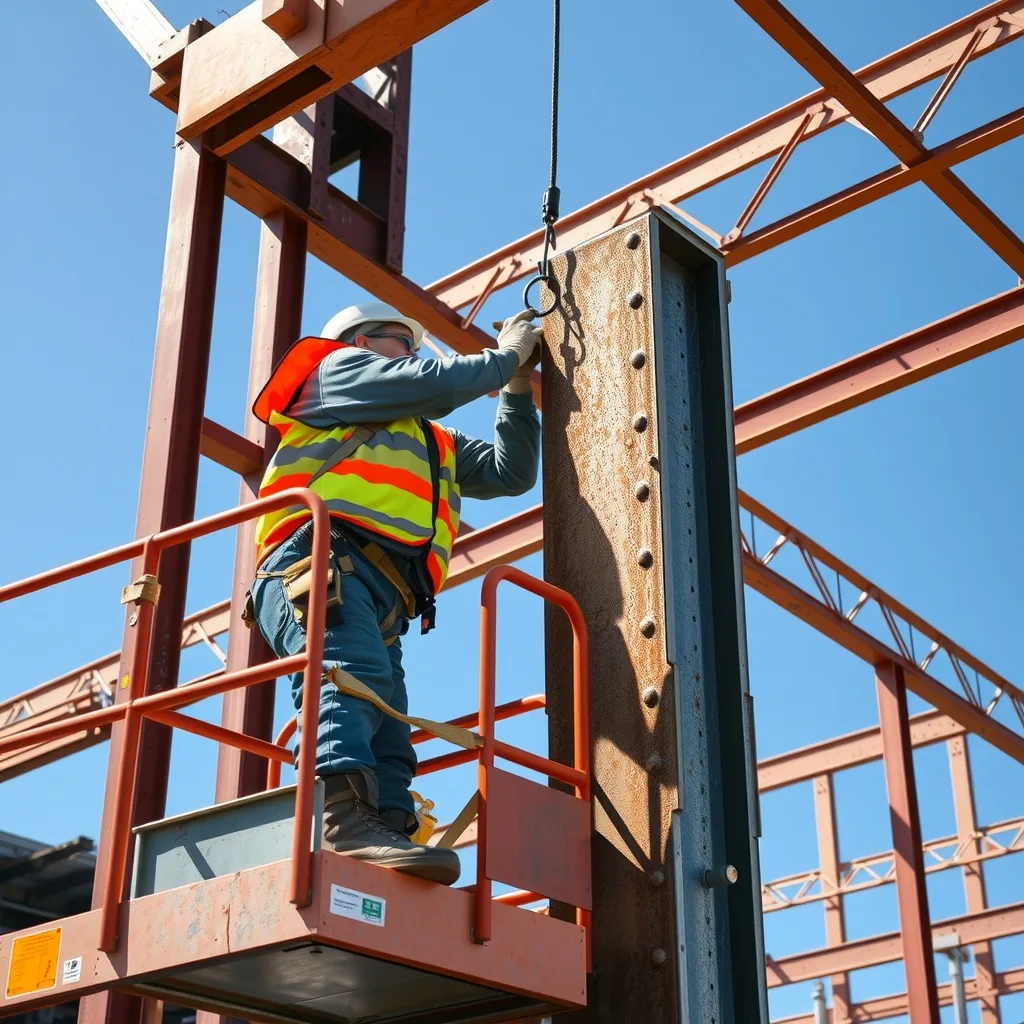

Stricter workplace exposure limits for nine hazardous chemicals, including silica dust, benzene and formaldehyde, have been put on hold after a majority of state and territory governments requested further analysis, despite Safe Work Australia finding the benefits would outweigh the costs.
The Regulatory Impact Statement, released Wednesday by Safe Work Australia and reported by ABC News, found implementing the new limits would cost employers $31 billion over 10 years, with the mining sector bearing most of that cost. The report also found the ongoing cost of exposing workers to just five of the nine chemicals at current limits would total $13.1 billion over the same period.
The chemicals affect workers across construction, demolition, tunnelling and healthcare. Safe Work Australia had recommended halving the silica dust limit from 0.05 to 0.025 milligrams per cubic metre. The changes required support from at least two-thirds of states and territories to proceed, but jurisdictions have instead asked the national body to do further work.
Hamish Studholme, 59, spent decades in the tunnelling industry before being diagnosed with silicosis, an incurable lung disease caused by inhaling fine silica particles. He has not worked in the sector since. “These companies are looking at production and putting it in front of the lives of workers,” he said. “You can’t put a cost on people’s lives.”
Industry groups had argued the proposed limits were impractical because measuring technology was not yet widely available. The Safe Work report disputed that, saying commercially available methods already existed to measure all nine chemicals at the proposed levels. It also warned that keeping current limits could give workers a “false sense of safety”.
ACTU Assistant Secretary Liam O’Brien said the union council would keep pressing state and territory governments to adopt the lower limits. Workers in affected industries should check with their employer or union about current monitoring obligations while the policy remains unresolved.
Frequently asked questions
Which chemicals are covered by the proposed new exposure limits?
Safe Work Australia’s proposal covers nine hazardous chemicals, including silica dust, benzene and formaldehyde, which are commonly encountered in construction, demolition, tunnelling and healthcare workplaces.
Why have the new limits been put on hold?
A majority of state and territory governments asked Safe Work Australia to do further analysis before proceeding. The changes needed support from at least two-thirds of jurisdictions, which was not achieved.
What would the new silica dust limit be?
Safe Work Australia recommended halving the silica dust limit from 0.05 to 0.025 milligrams per cubic metre of air.
What can workers do while the policy is unresolved?
Workers in affected industries are advised to check with their employer or union about current monitoring obligations and their rights under existing workplace health and safety laws.
Sourced from ABC News, Safe Work Australia. Original article.