
Fire authorities have flagged heightened bushfire risk this spring for large parts of the Northern Territory, the NSW northern tablelands around Armidale, a pocket of the far south coast near Bega, and south-east Queensland, with above-average fuel loads through the centre and north and low soil moisture through the east driving the outlook.
The warning comes from the national seasonal snapshot published by the Australian and New Zealand Council for fire and emergency services (AFAC), reported by Guardian Australia. The same outlook predicts greater fire risk in parts of Victoria, Western Australia, Tasmania and South Australia. Add it up and AFAC’s spring 2026 snapshot names seven of Australia’s eight states and territories as carrying elevated risk somewhere inside their borders.
AFAC chief executive Rob Webb said the outlook was driven by dry conditions in the east and heavier fuel loads through central and northern Australia.
“The variety of risk factors across different regions reinforces the need for communities to understand their local conditions and prepare early,” he said.
A big wet in the Territory, then a fast dry
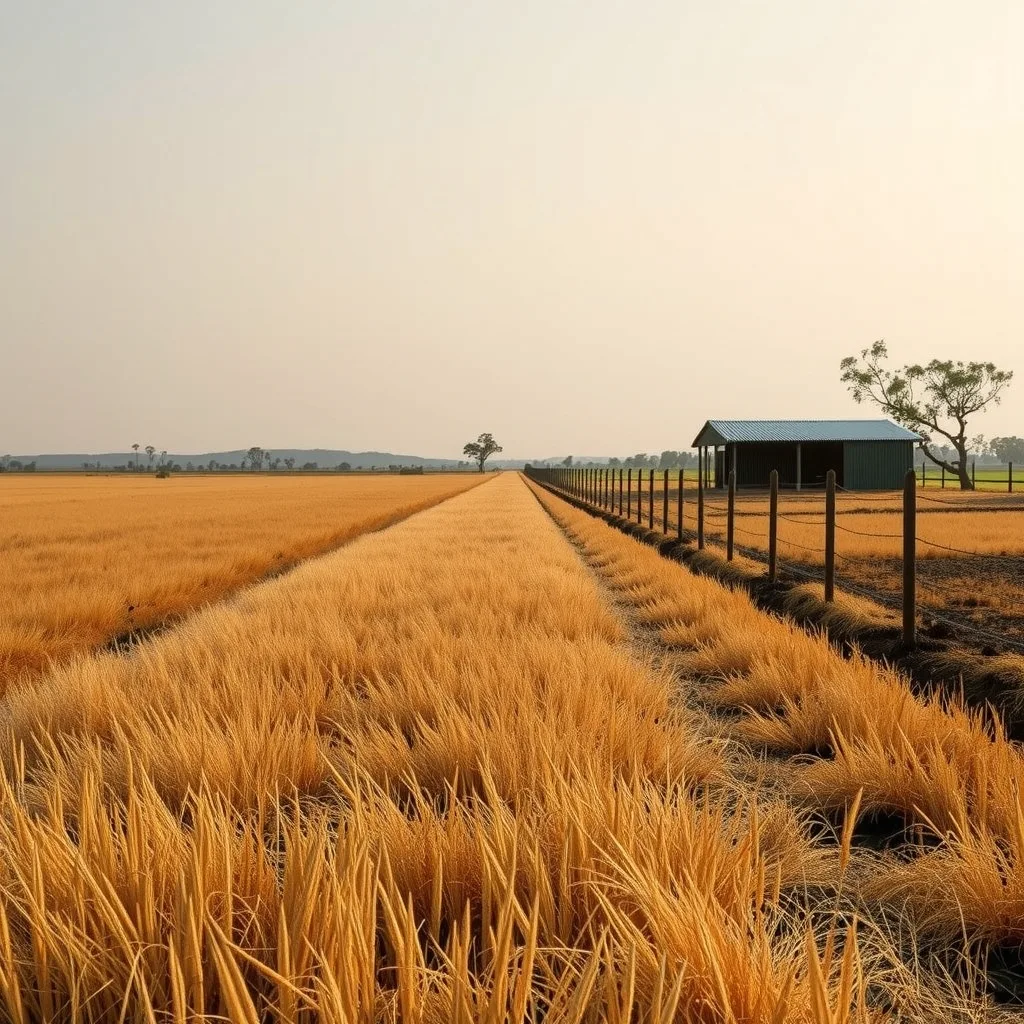
Most of the NT south of Timber Creek and Borroloola sits inside the heightened band. That follows intense rainfall and flooding in parts of the territory earlier this year, which grew the grass that’s now curing off.
Andrew Warton, commissioner of Fire and Emergency Services NT, said the wet season had driven above-average vegetation growth, particularly in the Barkly and southern regions. Country where grass fuels have gone unburnt for a year or more is expected to face the greatest danger, he said.
Alex Vaughan from the Arid Land Environment Centre put it more bluntly. “This is sadly the climate and nature crises in action,” he said.
“More intense rainfall, followed by accelerated drying conditions have left landscapes in the NT a tinderbox ready to burn.”
Vaughan said the effects of global heating in the territory were made worse by “dangerous and fire-promoting buffel grass”, a species brought in for pasture improvement that now dominates big stretches of inland Australia.
Black summer country can carry fire again
Ben Millington, deputy commissioner of the NSW Rural Fire Service, said the higher-risk areas in the state’s north and south include places burnt in the 2019-20 black summer fires.
“We do know that a lot of those areas have regrown since that time and the fuel loads are now able to carry fire once again,” he said.
“With the dry conditions we’re seeing at the moment, they’ve been identified as high risk.”
Millington said it followed an “unseasonably warm” winter in which parts of northern and southern NSW copped below-average rainfall, and the long-term outlook points to more of the same through spring. He’s urging people to get in now, clear gutters, cut back overhanging branches, and write a bushfire survival plan.
“I think it’s fair to say this may be the first summer [some] people will experience fire activity since the 2019-20 season,” he said.
Victoria, meanwhile, is looking at “one of its warmest and driest spring outlooks in some time”, the council said. In WA the flagged regions include Cape Range, Wooramel, Western Murchison, Geraldton Hills, Yalgoo, Western Mallee and Fitzgerald, while grassland across northern South Australia was described as nearly ready to burn.
What a heightened outlook does to a work week
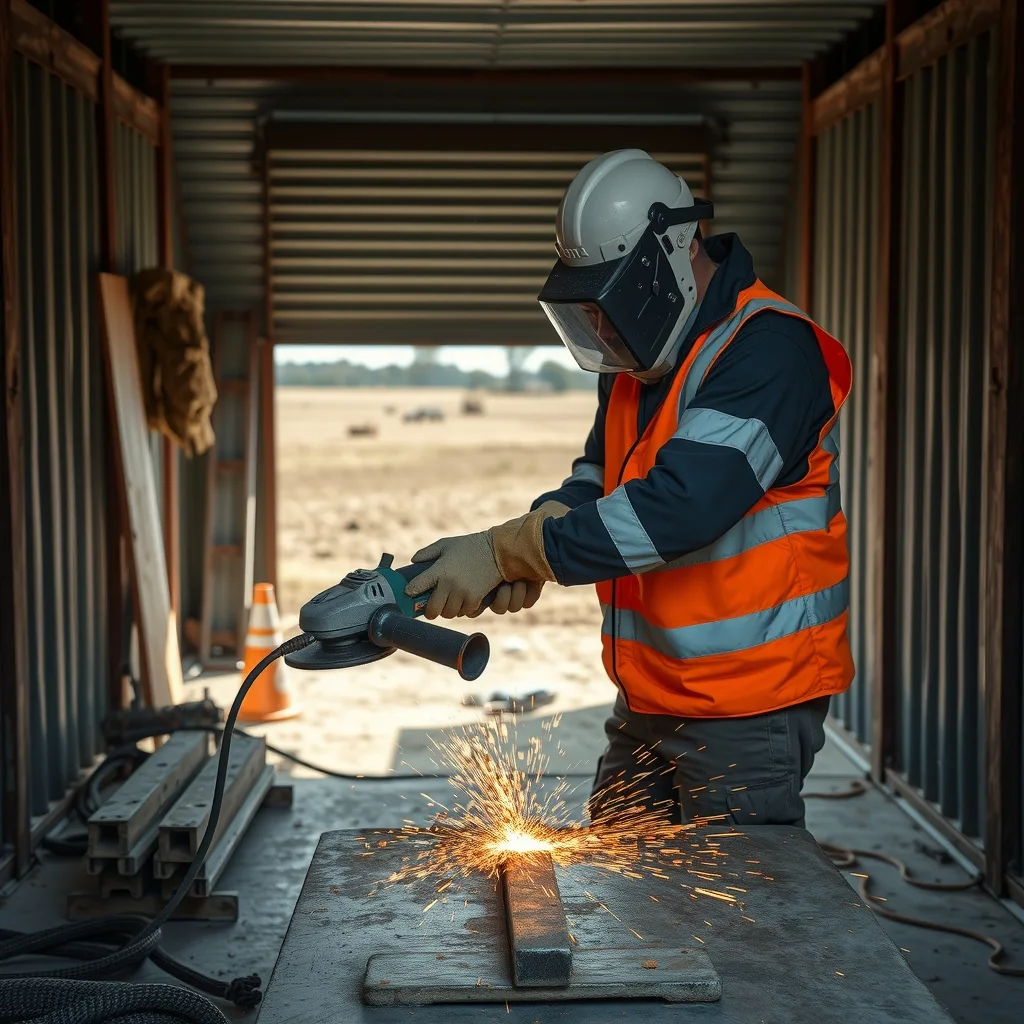
The part that hits the tools first is hot work. Angle grinders, oxy sets, welders, chainsaws and slashers all throw sparks or heat into dry grass, and once a fire danger period or a total fire ban is declared in your area, what you’re allowed to do outdoors changes and can change day to day. The rules and any permit sit with your state fire authority, not with the builder or the head contractor, so check the NSW Rural Fire Service or your equivalent before you strike an arc on a rural job. General site duties still run through SafeWork NSW and its interstate counterparts.
Plan the sequence around it. If a job needs cutting, grinding or welding outside a shed, front-load it into the cooler, damper weeks rather than banking on late October. A fitter sitting on his hands at 11am because a ban dropped overnight is a day nobody’s paying for.
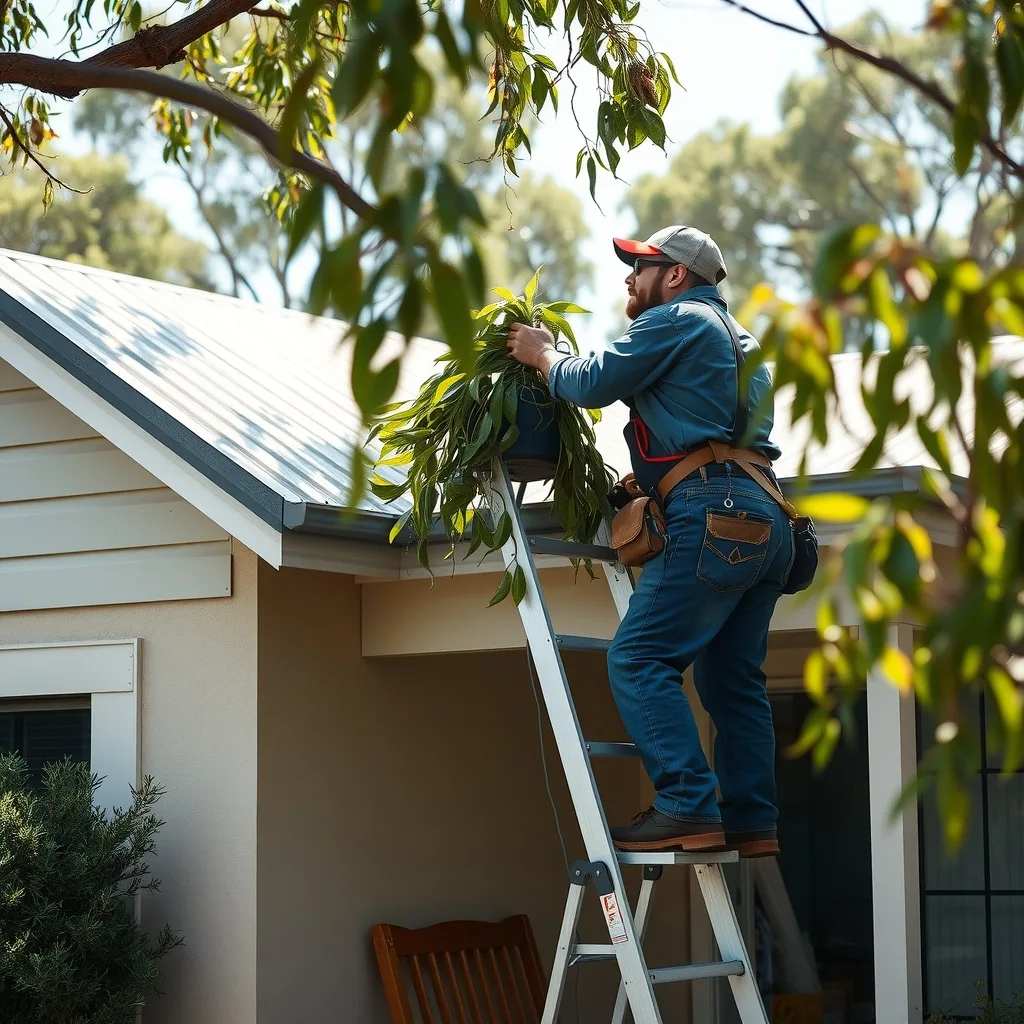
There’s work in the warning, too. Millington’s own list, echoed in BCN’s bushfire preparation checklist, gutters cleared and overhanging branches cut back, is exactly what fills a roof plumber’s or arborist’s diary through spring in every town on that map, along with slashing, firebreak grading and pump and tank checks on rural properties. Owners who’ve watched a season like 2019-20 tend to book it early.
For anyone quoting a new build or a rebuild on bushfire-prone land, the bushfire attack level assessment belongs at the front of the job, not the middle. It shapes the cladding, decking, screening on vents and subfloor and the glazing spec, and it’s set through your council or state planning authority. Price the frame before the rating is settled and you’ll be wearing the difference.
What to watch
Millington said the long-term outlook suggests below-average rainfall through spring with continuing warm conditions, which could lift the risk heading into summer. The practical marker for tradies is the declaration of the bushfire danger period in each local government area, because that’s the switch that turns permits and hot-work restrictions on. Know the date for the shire you’re working in, and have a plan for getting plant, gear and people off a grass-country site in a hurry.
Frequently asked questions
Can I still use an angle grinder or chainsaw during a fire danger period?
Rules change once a fire danger period or total fire ban is declared in your area, and permits are set by your state fire authority, not the builder or head contractor. Check with your state fire service, such as the NSW Rural Fire Service, before hot work on a rural site.
What is a bushfire attack level (BAL) assessment and when do I need one?
It’s a rating set through your council or state planning authority that shapes the cladding, decking, vent screening, subfloor and glazing spec for a new build or rebuild on bushfire-prone land. It should be settled before you price the frame, not partway through the job.
Which areas face the highest bushfire risk this spring?
AFAC’s outlook flags heightened risk in most of the NT south of Timber Creek and Borroloola, the NSW northern tablelands around Armidale, a pocket of the NSW far south coast near Bega, and south-east Queensland, plus parts of Victoria, WA, Tasmania and South Australia.
Sourced from Guardian Australia, AFAC. Original article.