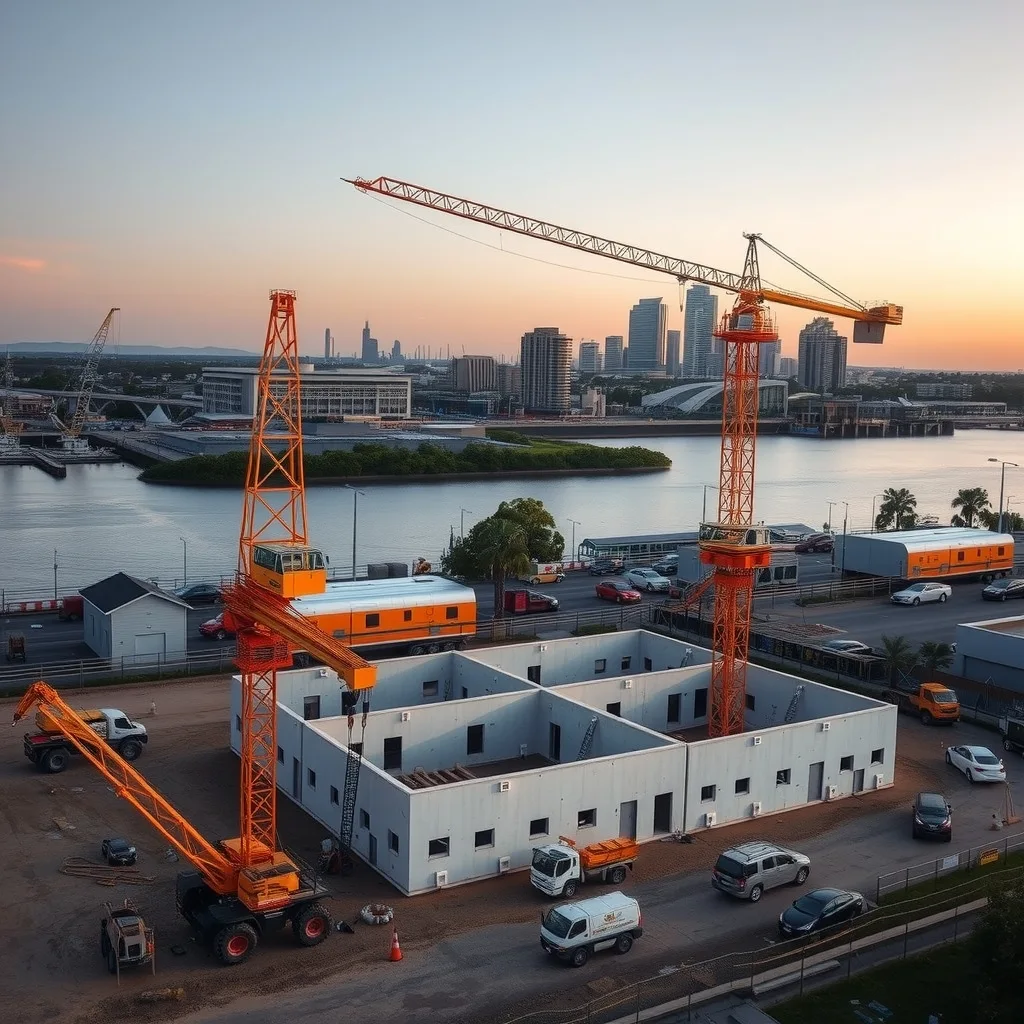
Nearly 2,200 homes across 13 towers will be built on the former industrial land at Northshore Hamilton, on the Brisbane River, split between five developers and paired with a 50-bed hotel, shops and a supermarket. None of the homes will be set aside as affordable housing, and the first residents aren’t expected to move in until 2031.
Queensland Deputy Premier Jarrod Bleijie, who is also minister for state development, infrastructure and planning, announced the carve-up of the 6.1 hectare site, ABC News reported. Under the former Labor government, the long-vacant block was tipped to become the athletes village for the 2032 Olympic and Paralympic Games.
The mandate that got dumped
Bleijie removed Labor’s affordable housing mandate from the state facilitated development program last year. He said mandates “stopped development”, and suggested homeowners in the outer suburbs would downsize into riverfront units, freeing up more houses.
“You need all forms of housing, that’s why we are not discriminating on the types of housing we build across the state,” he said.
“We are in a housing crisis still, we inherited a housing crisis from the Labor government, and we are doing everything we can…” Bleijie said, adding that the government was “pulling every lever possible”.
He was unable to say what the land had sold for, only that it had gone for “market value”.
”The last vacant space” on the northside
Member for Clayfield Tim Nicholls said the block was “the last major development site available” near the CBD, and “close to all the things people need and want”.
“[It’s] on the last outstanding northside of the river property location,” Nicholls said.
“It is the last vacant space and it’s the great opportunity Brisbane has been crying out for.”
Queensland Labor leader Steven Miles said the government was “out of touch”, and took aim at the mix of housing coming out of the site.
“Queensland is officially the most unaffordable it’s ever been and Jarrod Bleijie’s response is to build luxury homes for the wealthy,” Miles said.
“Queensland is officially the most unaffordable it’s ever been and Jarrod Bleijie’s response is to build luxury homes for the wealthy.”
The numbers behind that argument landed the day before the announcement. Nationally, a household on a median income of about $125,000 a year could afford just 12 per cent of all homes, according to realestate.com.au data released on Saturday, with the Queensland figure sitting at 9 per cent.
What 13 towers actually means on the tools
Strip out the politics and this is a long, staged job on old industrial ground, which changes the order of the work.
Brownfield land means the site investigation and any remediation come first, then the civil and earthworks crews, then piling rigs. Nothing goes vertical until the ground is signed off. Anyone who has worked a former fuel depot or foundry site knows how much of the early program disappears into dirt nobody ever sees again.
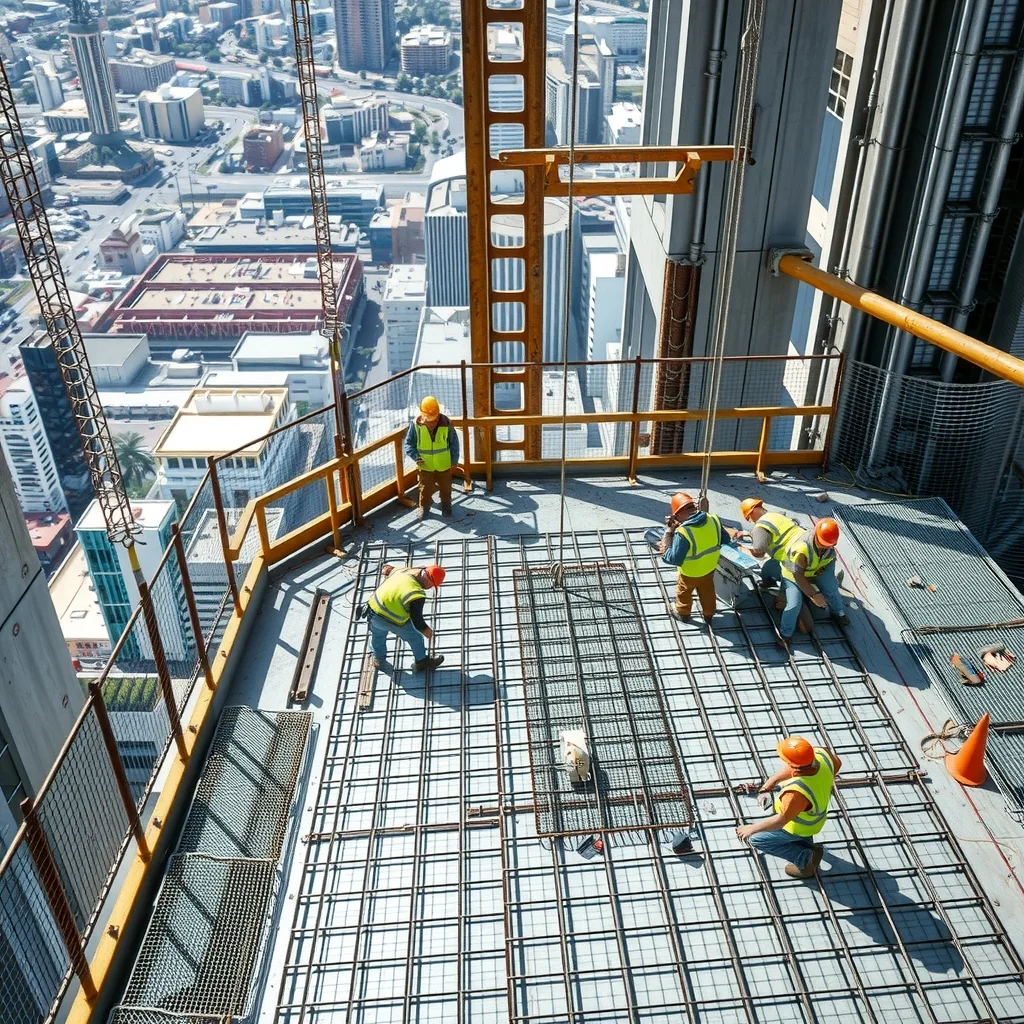
After that it’s the standard residential tower rhythm, repeated 13 times. Formworkers and steel fixers set the pace on the core and the suspended slabs, a floor at a time. Facade chases the structure up the building. Wet trades, chippies and fitout crews work down behind them, floor by floor, while the crane and hoist are still running above. The hotel and the supermarket are a different animal again: commercial fitout, refrigeration and mechanical work that doesn’t look much like the apartment floors next door.
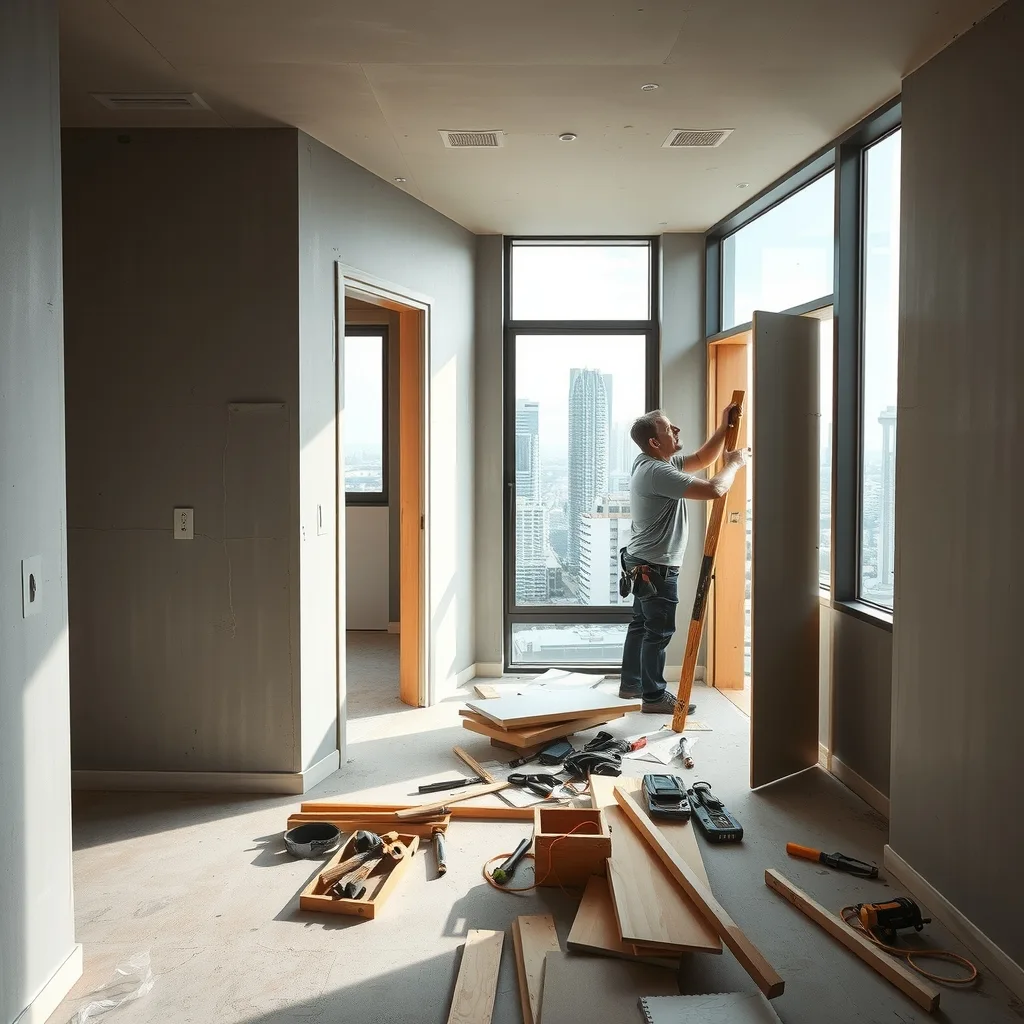
The five-developer split matters more than it sounds. Five separate parcels means five head contracts and staggered starts rather than one enormous package awarded to a single builder. For subbies, that’s more bites at the cherry and a better shot at pricing an individual tower instead of being locked out of a single megacontract.
Don’t reschedule the ute purchase yet
The timing is the catch. First residents in 2031 means the design, approvals and land settlements have to run their course before anyone’s boots hit that site, and the structural work sits through the back half of this decade. An apprentice signing on this year, whose apprentice wages climb each year of their training, would be well through their time before the first keys get handed over.
Bleijie said the towers weren’t “required” to be built ahead of the Olympics, “but having them done before 2032 would be great”. That’s a fair signal there’s no hard deadline forcing the program to compress, which usually means fewer crash schedules and less of the overtime that comes with them.
There’s an awkward edge to a job this size for the people building it. Queensland tradies will spend years pouring slabs and hanging doors in riverfront towers in a state where fewer than one in ten homes on the market is affordable to a household on the median income.
Watch for the individual development applications and the head contractor appointments over the next couple of years. That’s the point where the tender lists get drawn up and this stops being a press conference and starts being work.
Frequently asked questions
Is any of the housing at Northshore Hamilton affordable?
No. The Queensland government scrapped Labor’s affordable housing mandate from the site last year, and none of the roughly 2,200 homes will be set aside as affordable housing.
When will people be able to move into Northshore Hamilton?
The first residents aren’t expected to move in until 2031. Design, approvals and land settlements still have to run their course before the structural work ramps up through the back half of this decade.
Who is developing the Northshore Hamilton site?
Five separate developers are splitting the 6.1-hectare site, each with their own head contract and staggered start, rather than one company building the whole project.
Was Northshore Hamilton meant to be the 2032 Olympics athletes village?
Yes. Under the former Labor government, the long-vacant block was tipped to become the athletes village for the 2032 Olympic and Paralympic Games, though Bleijie says the towers aren’t required to be finished before then.
Sourced from ABC News, realestate.com.au. Original article.