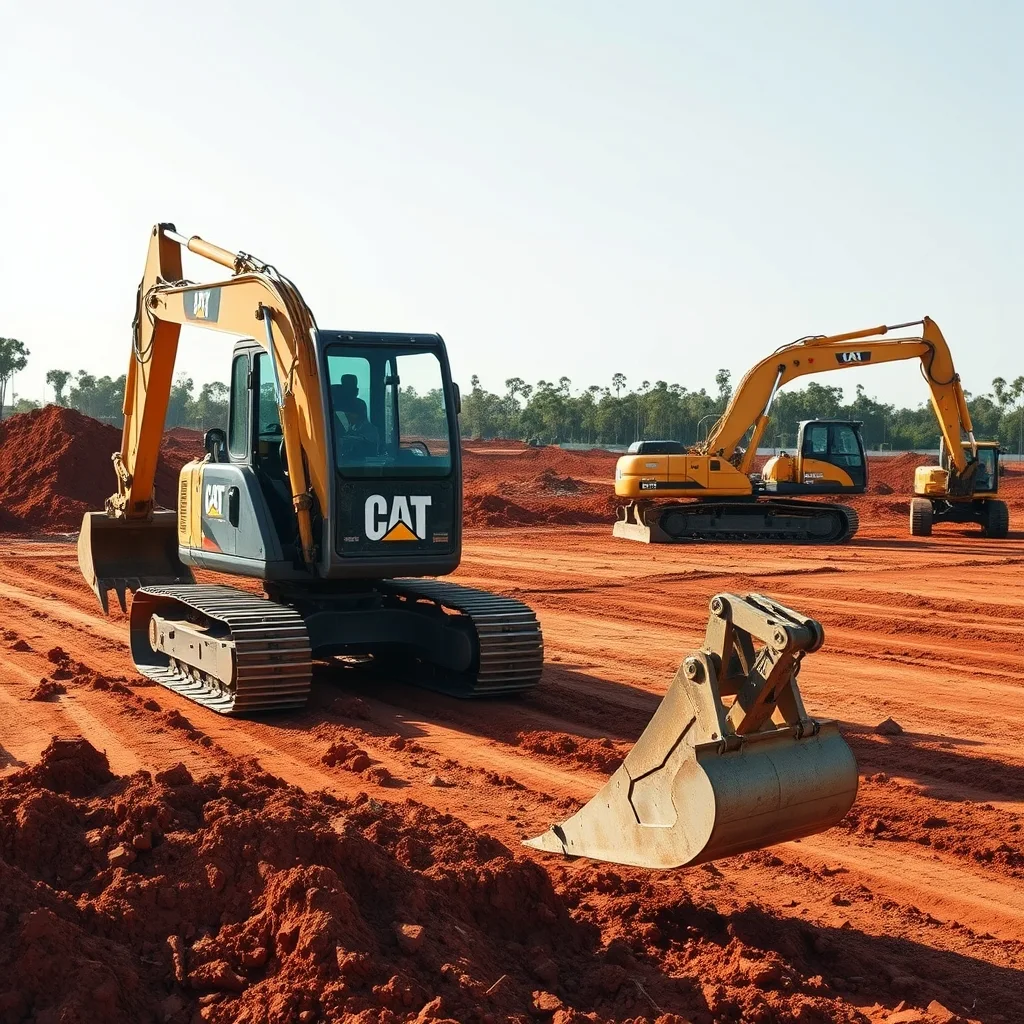

Preparatory earthworks have begun at Brisbane’s Victoria Park after the Games Independent Infrastructure and Coordination Authority (GIICA) took possession of the 158-acre heritage-listed site on 1 June 2026, kicking off one of the largest construction programs in Queensland history.
The Queensland Government released a draft legacy precinct plan on Sunday showing a parkland setting around the proposed 63,000-seat Olympic stadium and a new National Aquatic Centre, with Premier David Crisafulli promising “a world-class free precinct that Queenslanders will enjoy for generations.” More than two-thirds of the 158-acre site will remain publicly accessible green space, the government says.
The numbers are substantial. The stadium alone is now estimated at A$3.8 billion, up from an initial A$3.4 billion, while the National Aquatic Centre is valued at roughly A$650 million. The venue design, by Cox Architecture and Hassell following an international competition, draws on Queensland’s traditional architecture. Deputy Premier Jarrod Bleijie said the games were “back on track after 1,200 days of Labor chaos,” and GIICA chairman Stephen Conry AM called site possession “an exciting day for all of Queensland.”
Opponents aren’t buying the optimism. Save Victoria Park spokesperson Sue Bremner dismissed Sunday’s release as “another insulting fantasy vision with no details,” questioning where car parks, roads, crowd-holding plazas, and a train station connection would go. AAP reported Bremner also accused the 2032 Games of “becoming a gravy train for the sports and property industries.” A separate analysis of the masterplan, prepared by consultants Arcadis, found it contains no new transport infrastructure announcements and expects the precinct to rely on existing rail and bus connections.
Sustainable development researcher Dr Neil Peach has estimated more than 1,200 trees could be felled during construction. Two applications under federal Aboriginal and Torres Strait Islander heritage protection laws have also been lodged regarding the site.
For tradies and subcontractors across South East Queensland, the project means years of civil, structural, and services work. But there are real risks before committing capacity. No civil works contractors have been publicly confirmed. The Queensland Government has exempted Olympic infrastructure from local planning, zoning, and environmental laws to accelerate approvals, a move likely to keep community and legal challenges running alongside the build. The transport and road gaps Bremner raised aren’t just political points; they’re design problems that need answers before the full scope of ground-up works is locked in.
The draft precinct plan is open for community feedback. Watch for contractor and procurement announcements from GIICA in the months ahead as early works expand toward the main construction phase.
Frequently asked questions
How much will the Brisbane Olympic stadium cost?
The stadium is currently estimated at A$3.8 billion, up from an initial estimate of A$3.4 billion. The adjoining National Aquatic Centre is valued at roughly A$650 million.
How much of Victoria Park will remain public green space?
The Queensland Government says more than two-thirds of the 158-acre park will remain publicly accessible green space after construction.
Who designed the Brisbane Olympic stadium?
The venue was designed by Cox Architecture and Hassell, selected through an international competition. The design draws on Queensland’s traditional architecture.
When will contractors be announced for the Brisbane Olympic build?
No civil works contractors have been publicly confirmed as of the site possession date of 1 June 2026. GIICA is expected to make procurement announcements as the early works program expands toward the main construction phase.
Sourced from The Guardian Australia, AAP News, Queensland Government Ministerial Media Statements, Your Neighbourhood, CNN. Original article.